







2. Comptoirs en porcelaine
Porcelain countertops are made from refined clay and minerals fired at very high temperatures into dense, thin slabs. Sintered stone brands such as Dekton and Neolith share most of the same properties.
Idéal pour : Kitchens that see heavy cooking, sunny spaces and outdoor kitchens.
Entretien: Clean with mild soap and water. No sealing is needed.
Coût d'installation typique : 50 $ à 120 $ le pied carré
Avantages
- Tolérance thermique : Porcelain keeps its integrity under high temperatures, which makes it ideal where hot pans are used often.
- Résistance à la rayure: It is significantly harder than many traditional countertop materials and suits kitchen prep areas.
- Résistance à l'humidité : Very low porosity resists water, stains and bacteria.
- Stabilité des couleurs : Porcelain is UV resistant, so it does not fade or discolor in direct sunlight, indoors or out.
Désavantages
- Risque de fracture : Despite its overall durability, porcelain can chip or crack if a heavy object strikes it, especially at the edges.
- Edge design restrictions: Thin slabs offer fewer edge profiles than thicker countertop materials, and mitered edges are common.
- Setup precision: Fabrication and installation require specialist skills, so professional installation is essential.
- Surface-printed patterns: On many slabs the pattern sits on the surface, so a chip can reveal a different body color, and the look may lack the depth of natural stone.


4. Comptoirs en acier inoxydable
Stainless steel is the standard in professional kitchens because it handles high heat, heavy use and strict hygiene routines. It is steel alloyed with chromium and usually nickel, which gives it corrosion and stain resistance.
Idéal pour : Commercial kitchens, food prep areas and modern home kitchens near the range.
Entretien: Wipe with mild detergent and dry to limit water spots. No sealing is needed. Wiping with the grain keeps brushed finishes looking even.
Coût d'installation typique : 80 $ à 200 $ le pied carré
Avantages
- Capacité thermique: Stainless steel handles extreme temperatures, making it perfect next to stoves and ovens.
- Germ resistance: The non-porous surface prevents bacteria and mold from settling in, keeping the workspace hygienic.
- Ajustement personnalisé : It can be fabricated with integrated sinks, backsplashes and drainboards to suit any layout.
Désavantages
- Visible usage: Stainless steel shows scratches, dents and fingerprints, though many owners accept this as patina. A brushed finish hides marks better than a polished one.
- Look industriel : Its metallic finish can feel stark in a home kitchen without warmer materials to balance it.
- Bruit: Pots and utensils are louder on metal than on stone or solid surface.
- Coût initial plus élevé : Heavier gauges and custom fabrication raise the initial price.
6. Comptoirs en stéatite
Soapstone is a talc-rich natural stone with a soft, matte feel. It is dense and non-porous, so it resists stains without sealing, and it handles heat exceptionally well.
Idéal pour : Traditional, farmhouse and heritage-style kitchens and hard-working sink areas.
Entretien: Clean with soap and water. Mineral oil can be applied every few weeks to deepen the color evenly, but it is cosmetic, not required for protection.
Coût d'installation typique : 60 $ à 130 $ le pied carré
Avantages
- Tolérance thermique : Soapstone keeps its structure under high temperatures, perfect for cookware going straight from oven to countertop.
- Impervious surface: Its non-porous nature makes it naturally stain-resistant and removes the need for sealing.
- Adaptable style: Subtle veining in shades of gray, blue, green and black suits many interior designs.
- Réparable: Light scratches can be sanded out or softened with mineral oil.
Désavantages
- Enclin à se gratter : Soapstone is soft and shows scratches and dents over time, which some see as character and others as wear.
- Limited shades: Its color range is mostly dark, which may not suit every design.
- Darkening over time: It naturally darkens with use and oil, so its look changes with age.
- Structural demands: Its weight requires solid cabinetry for support.
7. Comptoirs en verre recyclé
Recycled glass countertops embed pieces of glass from bottles, windows and other sources in a resin or cement binder, turning waste into colorful, durable surfaces.
Idéal pour : Eco-conscious homes, statement islands and design-led commercial spaces.
Entretien: Resin-based tops need only mild soap and water. Cement-based tops need periodic sealing to prevent stains and acid damage.
Coût d'installation typique : 60 $ à 250 $ le pied carré
Avantages
- Option écologique : Made from repurposed glass, these countertops reduce waste.
- Conçu pour durer : They resist scratching and suit high-use areas.
- Decorative style: Each countertop is unique, with colorful glass fragments that create a custom look.
Désavantages
- Coût : Prices vary widely, and custom designs can cost more than granite.
- Chipping risk: Edges and surfaces can chip or crack if heavy objects are dropped or exposed to extreme heat.
- Pose professionnelle : The weight and fit require skilled installers.
- Binder-dependent care: Cement-based options need regular sealing, so they are not as low maintenance as resin-based types.

8. Comptoirs en granit
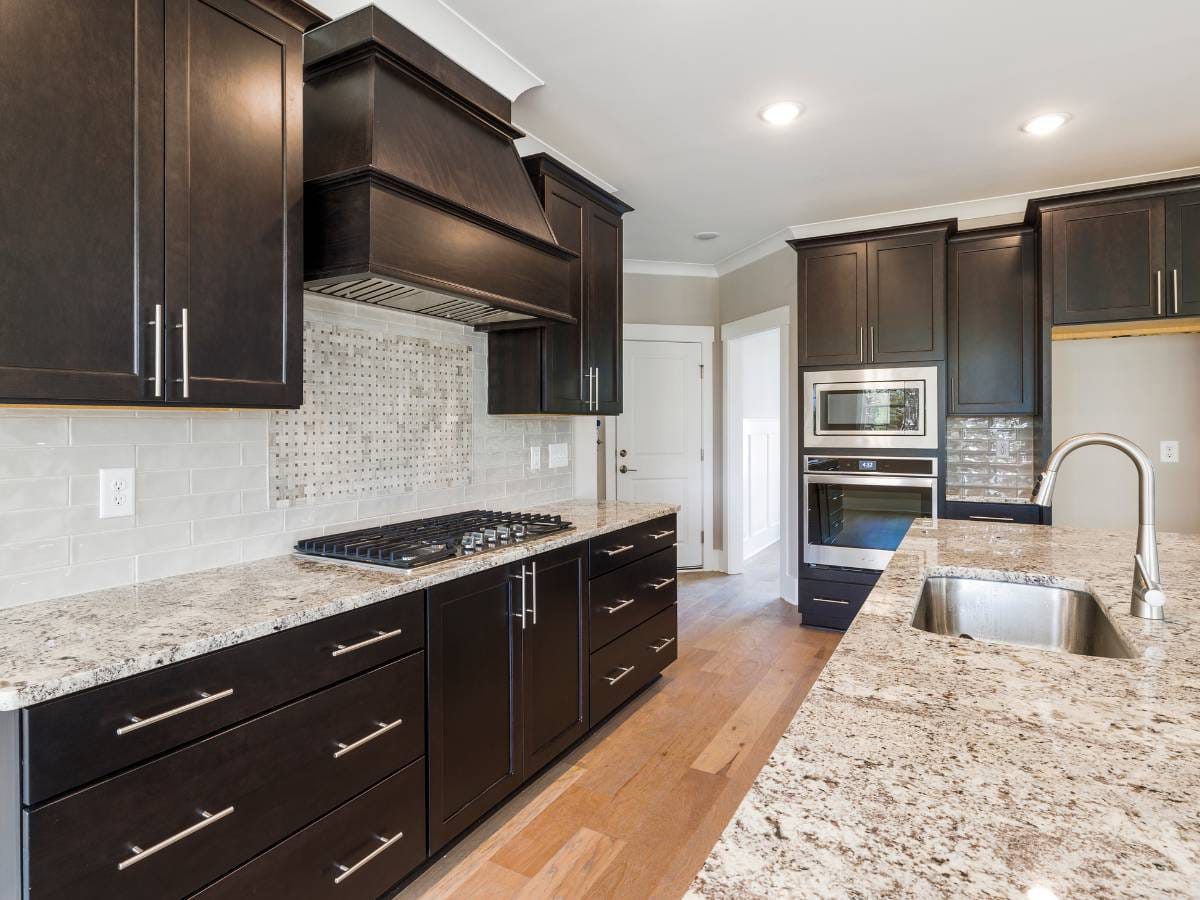
Granite is a natural stone prized for its unique patterns and luxurious look. It is hard-wearing and heat-resistant, but because it is porous, it is only low maintenance when properly sealed.
Idéal pour : Homeowners who want authentic natural stone and are happy to reseal occasionally.
Entretien: Clean with pH-neutral soap and water. Reseal typically every one to three years, depending on the stone and sealer. If water darkens the surface within a few minutes, it is time to reseal.
Coût d'installation typique : 80 $ à 150 $ le pied carré
Avantages
- Aspect unique : Chaque dalle de granit présente des motifs et des couleurs distincts, de sorte qu'aucun comptoir n'est identique.
- Dureté: Granite is highly scratch-resistant in everyday use.
- Résistance à la chaleur: It tolerates hot pots and pans better than quartz or solid surface.
- Increases appeal: Granite adds a high-end touch that buyers often value.
Désavantages
- Needs sealing: Granite is porous and requires periodic sealing to resist stains. Lighter colors usually need it more often.
- Can crack: Heavy impacts, especially at edges and corners, can chip or crack granite and may require professional repair.
- Variation between slabs: Natural variation makes color matching across large projects harder.
- Coût : Premium and exotic slabs can cost more than many alternatives.
Compare it with an acrylic option in our Corian vs granite guider.
9. Comptoirs en béton
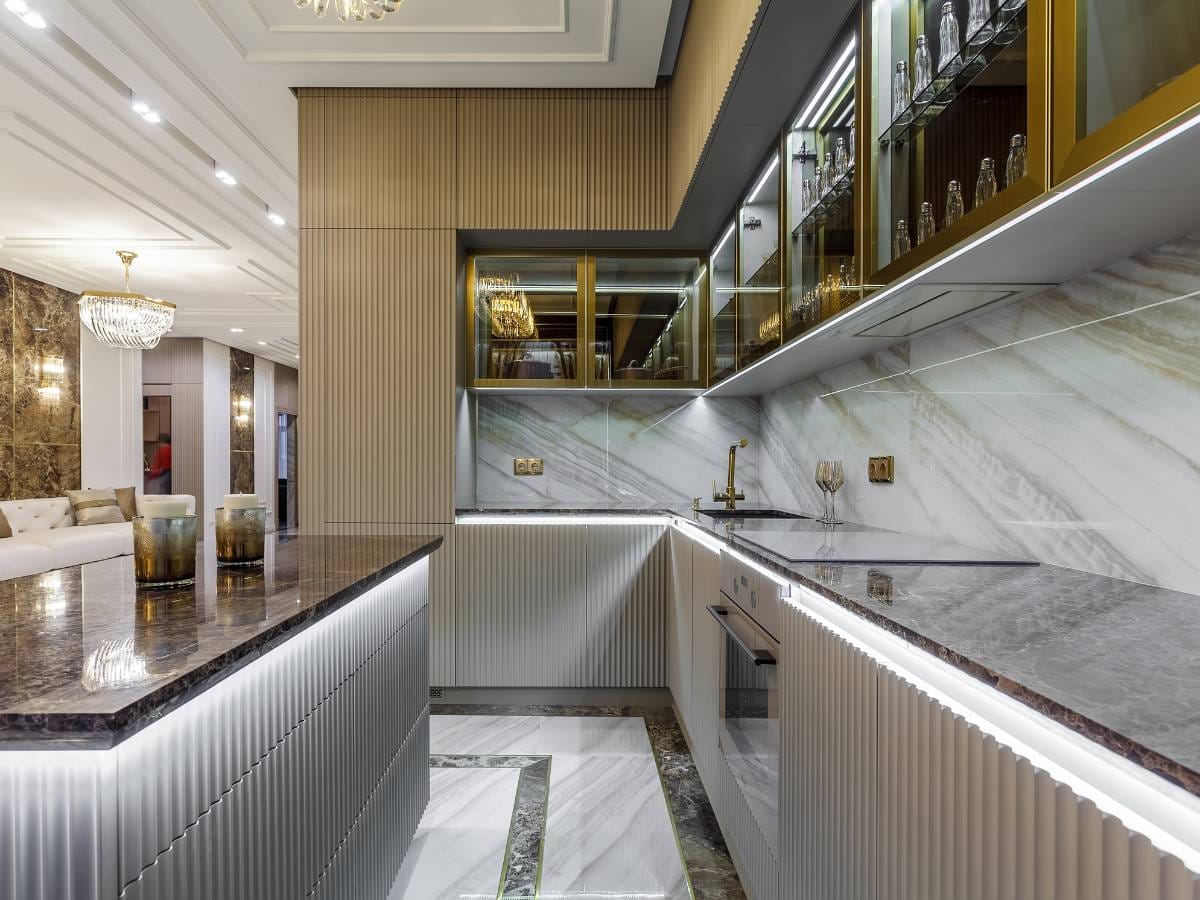
Concrete countertops are cast from cement, aggregates and water, often reinforced with glass fibers. They can be shaped and colored to fit almost any design, but concrete needs the most upkeep of the nine materials here.
Idéal pour : Custom, industrial-style designs where the look matters more than minimal care.
Entretien: Seal regularly and wax periodically. Wipe up acidic spills such as lemon juice and wine quickly.
Coût d'installation typique : 50 $ à 150 $ le pied carré
Avantages
- Adaptabilité de la conception : Concrete allows extensive personalization, including color, form, texture and embedded features like trivets or logos.
- Options décoratives : It can include artistic elements such as colored glass or stones.
- Construction renforcée : Glass-fiber reinforcement allows long spans and intricate shapes.
Désavantages
- Staining potential: Concrete is porous and prone to stains without regular sealing.
- Processus long : Casting, curing and installation take longer than most materials.
- Lourdeur: Its weight may require additional structural support.
- Fissures capillaires : Small shrinkage cracks can develop over time.

How to Choose the Right Low Maintenance Countertop
The best low maintenance countertop depends on where it will be installed and how it will be used. Finish matters too: honed or matte surfaces hide fingerprints and water marks better than high-gloss ones. For a broader decision framework, see our guide on how to choose kitchen countertops.
For Busy Kitchens
Quartz is the easiest choice for most indoor kitchens. Porcelain is the better pick if you often set down hot pans or the kitchen gets strong sunlight. Solid surface suits kitchens that want an integrated sink and repairable worktops, provided trivets are used.
For Bathrooms and Vanities
Bathrooms need surfaces that handle water, cosmetics and cleaning products. Solid surface is especially practical because vanity tops with integrated sinks remove the joint between basin and counter where grime collects. Quartz and porcelain are also excellent low-maintenance choices.
For Outdoor Kitchens
Choose porcelain or sintered stone for UV and weather resistance, or stainless steel for grilling stations. Avoid quartz, as its resin can yellow in sunlight, and check the manufacturer’s guidance before using any resin-based material outdoors.
For Commercial, Hospitality and Healthcare Projects
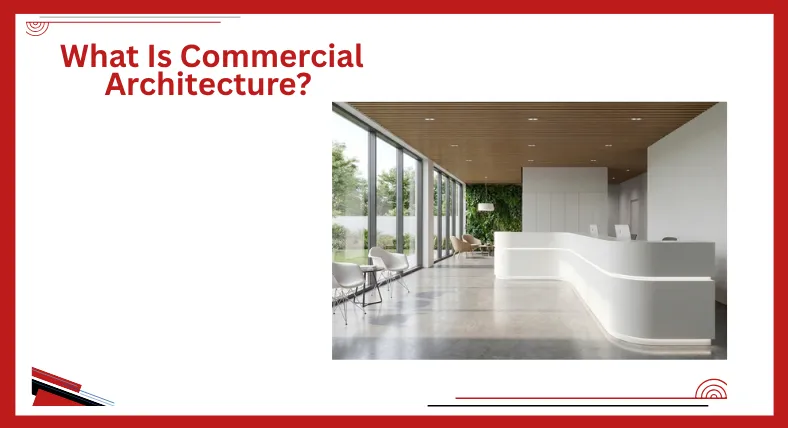
In hotels, restaurants and clinics, maintenance means cleaning time, hygiene and how quickly damage can be fixed. Non-porous, seamless surfaces leave fewer places for bacteria, and repairability lowers lifetime cost across many units. Stainless steel remains the standard for back-of-house kitchens, while solid surface and quartz are common for front-of-house counters, reception desks and guest bathrooms. Explore hotel and commercial applications et comparez restaurant countertop materials pour plus de détails.
For large orders, ask suppliers about color consistency between production batches, sheet thickness options, composition data and lead times. Our guide to choosing the right solid surface material covers these checks, and KKR Stone also offers custom solid surface fabrication for project-specific designs.
Countertops to Avoid If You Want Low Maintenance
Some popular materials look beautiful but need far more care:
- Marbre: Soft and porous, it etches from acidic foods and needs regular sealing.
- Butcher block and wood: It needs regular oiling and can warp, stain or harbor bacteria if water sits on it.
- Tile with grout lines: Grout stains easily and needs scrubbing and resealing.
- Unsealed natural stone or concrete: Without a maintained sealer, stains soak in quickly.
Questions fréquemment posées
What is the lowest maintenance countertop?
Quartz and porcelain. Both are non-porous, resist stains and never need sealing. Porcelain handles heat and UV better; quartz offers more stone-look designs for indoor use.
Do quartz countertops need to be sealed?
No. Quartz is non-porous, so it does not need sealing. Daily cleaning with mild soap and water is enough. Quartzite, a natural stone, is different and does need periodic sealing.
What is the best low maintenance countertop for outdoor kitchens?
Porcelain and sintered stone are the best low maintenance options outdoors because they resist UV, heat, water and frost. Stainless steel also works well for grilling areas.
Which countertop is easiest to repair?
Solid surface. Because the color runs through the full thickness, scratches, scorch marks and small chips can usually be sanded out and polished on site.
Are solid surface countertops low maintenance?
Yes. Solid surface is non-porous, never needs sealing and cleans with soap and water. It is softer than quartz and sensitive to high heat, so use cutting boards and trivets, but most marks can be repaired rather than replaced.
Réflexions finales
The best low maintenance countertops are non-porous, need no sealing and clean with soap and water. Quartz and porcelain lead for most kitchens, solid surface is the most repairable and seamless choice for bathrooms and commercial spaces, laminate wins on budget, and stainless steel suits heat-heavy kitchens. Granite and concrete work well if you are comfortable with regular sealing.
If you are specifying surfaces for a hotel, restaurant, healthcare facility or residential development, KKR Stone manufactures solid surface sheets, countertops and vanity tops for project buyers in the U.S. and worldwide. Browse our comptoirs de cuisine en surface solide, request a sample, or talk to the KKR Stone team about your next project.