






Granite has been a go-to countertop for decades, but it is not the right fit for every kitchen, bathroom or commercial project. Some buyers want a lower price, others want a surface that never needs sealing, and many simply want a different look.
This guide compares 17 granite alternatives for countertops, grouped into engineered, natural stone and other materials. For each one you’ll find typical installed cost, key strengths and the trade-offs to know before you buy.
Selecciones rápidas:
- Closest all-round replacement: quartz, for a stone look without sealing.
- Toughest modern option: porcelain or sintered stone, for heat, scratch and UV resistance.
- Seamless and repairable: solid surface, especially for bathrooms and commercial spaces.
- Lowest budget: laminate or tile.
- Natural stone with more character: quartzite, marble or soapstone.
Why Look for a Granite Alternative?
Granite is hard, heat-resistant and widely available, but it has drawbacks that push people toward other materials:
- Caza de focas: Granite is porous and needs periodic sealing to resist stains.
- Costo: Installed granite typically costs $80 to $150 per square foot, so it is not a budget material. guía de inicio
- Busy patterns: Speckled granite can feel dated in minimal or contemporary designs.
- Weight and seams: Heavy slabs need solid cabinet support, and long runs often require visible seams.
- Desconchones y grietas: Edges and corners can chip under heavy impact.
Granite still has real strengths, including excellent heat resistance, natural one-of-a-kind patterns and strong resale appeal. The right alternative depends on which of these drawbacks matters most to you and which of granite’s strengths you are willing to give up.
Engineered and Man-Made Granite Alternatives
Las encimeras de superficie sólida
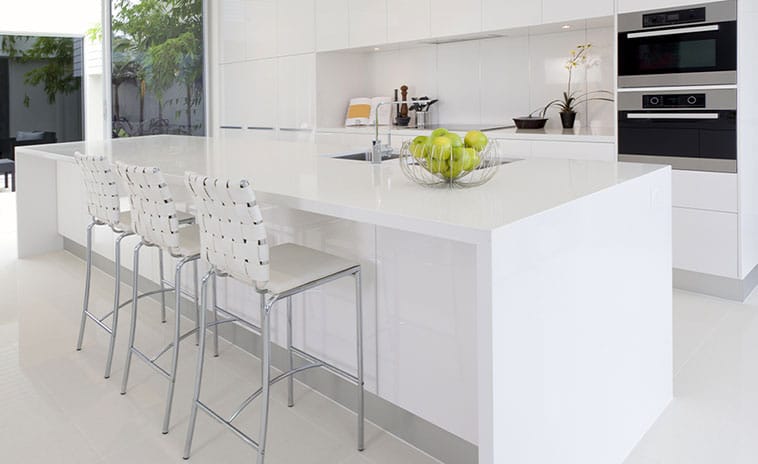
Encimeras de superficie sólida are made from acrylic or modified acrylic resin blended with alumina trihydrate, a fine mineral filler, and pigments. The result is a non-porous, smooth surface with color that runs through the full thickness. Pieces can be joined with nearly invisible seams, and sinks and backsplashes can be formed as one continuous surface.
Solid surface is not as hard as granite and should be used with trivets, but scratches and minor damage can be sanded out on site rather than replaced. It is also free of crystalline silica in many formulations, an advantage on commercial jobs. Because it can be thermoformed and joined seamlessly, it is widely used for kitchen countertops, vanity tops, reception desks, wall panels and healthcare surfaces.
KKR Stone ofrece Encimeras y tocadores a medida in more than 300 colors and thicknesses from 20 to 50 mm, with custom sink, faucet-hole and edge options. Design support is available before production and after-sales assistance afterward. Products are backed by a 10-year limited warranty. For a direct comparison, read our Corian vs granite guía. kkrstonemoomoo
Coste típico de instalación: $40 to $100 per square foot, higher for premium colors and thicker builds
| Ventajas | Desventajas |
| Non-porous, no sealing | Softer than granite; can scratch |
| Seamless joints, integrated sinks | Needs trivets for hot pans |
| Reparable en el lugar | Less resale prestige than natural stone |
| Higiénico, fácil de limpiar | Requires trained fabricators |
uartz Countertops
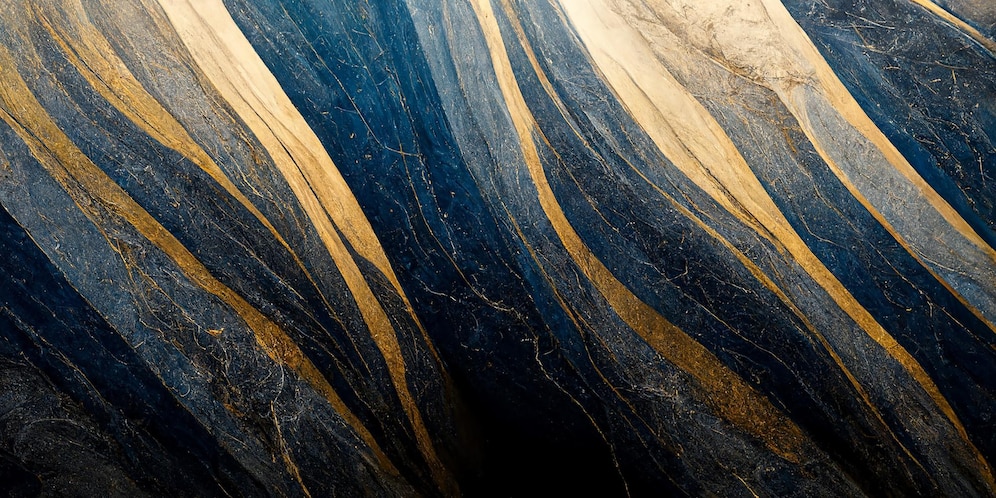
Quartz countertops are engineered stone made from crushed natural quartz bound with resin and pigments. They are non-porous, resist stains and scratches, and never need sealing. Quartz comes in a huge range of designs, from granite- and marble-look patterns to solid contemporary colors, which makes it the most common direct substitute for granite. Because each slab is manufactured, color matching across a large project is far easier than with natural stone.
Quartz tolerates less direct heat than granite and is not suited to outdoor kitchens, where UV can yellow the resin. Project buyers should also note that engineered quartz has a high crystalline silica content, and California has proposed tighter fabrication rules; see engineered stone without silica for alternatives. Compare it with acrylic options in our solid surface vs quartz guía. ohonline
Coste típico de instalación: $50 to $150 per square foot, with premium designs up to about $200
| Ventajas | Desventajas |
| No sealing, stain-resistant | Resistente al calor pero no a prueba de calor. |
| Color y patrón consistentes | No para uso en exteriores. |
| Granite- and marble-look options | Visible seams on large runs |
| Durable y fácil de limpiar | No es piedra natural |
Porcelain and Sintered Stone Countertops
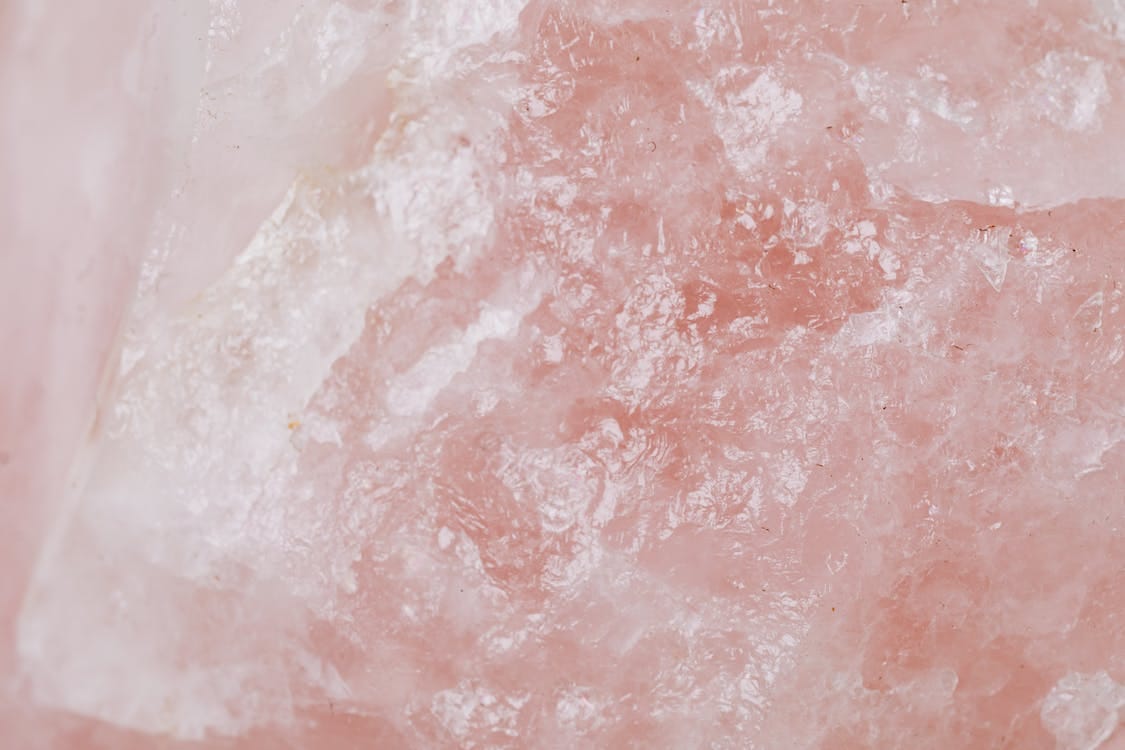
Porcelain slabs are made from refined clays and minerals fired at very high temperatures into thin, dense panels. Sintered stone, sold under names such as Dekton and Neolith, is made in a similar way. Both can closely imitate granite, marble and concrete.
Porcelain is non-porous, highly heat- and scratch-resistant, and UV-stable, so it works indoors and outdoors. The trade-off is fabrication: thin slabs can chip at the edges and need specialist installers.
Coste típico de instalación: $ 50 a $ 120 por pie cuadrado
| Ventajas | Desventajas |
| Excelente resistencia al calor y a los arañazos. | Edges can chip or crack |
| No sealing, UV-stable | Limited edge profiles |
| Suitable for outdoor kitchens | Specialist fabrication needed |
| Realistic stone looks | Pattern may be surface-printed |
Encimeras Laminadas
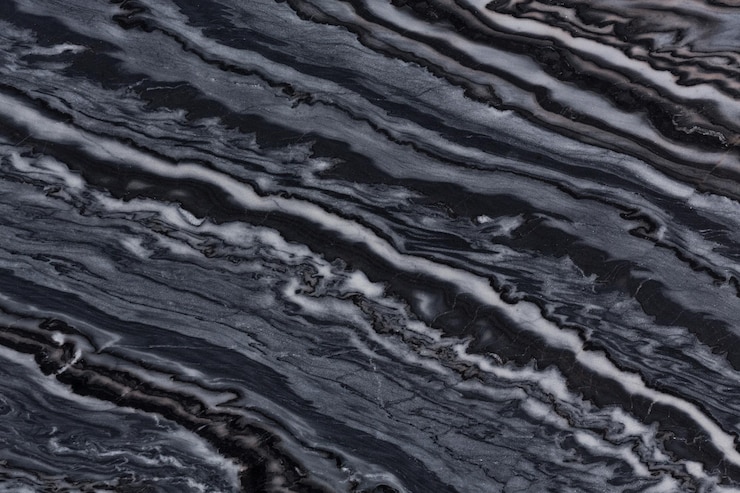
Laminate countertops are made by bonding layers of kraft paper and decorative paper, saturated with melamine resin, to a particleboard or MDF core. They are the most affordable alternative to granite, and modern prints can mimic granite, marble and wood convincingly.
Laminate is lightweight and quick to install, often with standard post-formed tops that cut installation costs. It resists everyday stains and needs no sealing, but it scratches more easily than stone and can scorch under hot pans. Water that gets into seams or edges can swell the core. See how it compares with acrylic surfaces in our solid surface vs laminate guía.
Coste típico de instalación: $ 20 a $ 80 por pie cuadrado
| Ventajas | Desventajas |
| El costo más bajo | Arañazos y desconchones |
| Amplia gama de colores y estampados. | No resistente al calor |
| Easy to clean, no sealing | Hard to repair invisibly |
| Rápido de instalar | Menor valor de reventa |
Encimeras de terrazo
Terrazzo embeds chips of marble, glass, stone or other materials in a cement or resin base, then grinds and polishes the surface. It offers bold, customizable color combinations and, when properly installed, can last for decades. Cement-based terrazzo is porous and needs sealing, while resin-based versions are easier to maintain. For a similar speckled look in a non-porous, repairable material, explore terrazzo-style solid surface.
Coste típico de instalación: roughly $50 to $100 per square foot, varying with chip type and fabrication
| Ventajas | Desventajas |
| Altamente personalizable | Cement versions need sealing |
| Duradero | Can crack if poorly supported |
| Distinctive, playful look | Limited installers in some areas |
Encimeras de vidrio reciclado
Recycled glass countertops combine crushed glass from bottles, windows and other sources with a resin or cement binder. They are a striking, eco-friendly choice available in many color combinations. Resin-based tops are non-porous and easy to clean, while cement-based tops need periodic sealing. Edges can chip under heavy impact, and custom designs can cost more than granite.
Coste típico de instalación: $ 60 a $ 250 por pie cuadrado
| Ventajas | Desventajas |
| Uses recycled material | Propenso a astillarse |
| Unique, colorful look | Puede ser caro |
| Resin versions need no sealing | Difícil de reparar |
| Higiénico y fácil de limpiar. | Heavy; professional install |
Natural Stone Alternatives to Granite
Encimeras de cuarcita
Quartzite is a natural metamorphic rock formed when quartz-rich sandstone is subjected to intense heat and pressure. Despite the similar name, it is not the same as engineered quartz. Quartzite is very hard, often harder than granite, and highly heat-resistant, with elegant veining that can resemble marble.
Quartzite comes in a wide range of colors, from soft whites and grays to blues, greens and warm browns. Like granite, it is porous and needs periodic sealing, it is hard to cut and fabricate, and exotic slabs can be expensive. Learn more about what quartzite is and how it differs.
Coste típico de instalación: $ 65 a $ 150 por pie cuadrado
| Ventajas | Desventajas |
| Muy duro y duradero. | Needs periodic sealing |
| Excelente resistencia al calor | Premium slabs are costly |
| Natural, marble-like veining | Hard to fabricate |
| Fuerte atractivo para la reventa | Availability varies by stone |
Encimeras de mármol
Marble is a metamorphic rock formed from limestone, prized for its veining and luxurious look. It is softer than granite, about 3 on the Mohs hardness scale, and made mostly of calcite, so acidic foods such as lemon juice, vinegar and wine can etch the surface. Marble needs regular sealing and gentle cleaning, which makes it a higher-maintenance choice. caesarstoneus
In exchange, no two slabs are alike, and marble’s softer, more elegant look is still associated with luxury. It can be a selling point in high-end homes and hospitality projects. It suits bathrooms, baking stations and low-traffic areas better than busy kitchens. Our guía para encimeras de mármol covers its heat resistance and commercial uses.
Coste típico de instalación: $40 to $150 per square foot, with rare marbles costing more
| Ventajas | Desventajas |
| Timeless, unique veining | Porous; needs sealing |
| Each slab one of a kind | Etches from acids |
| Stays cool for baking | Scratches more easily than granite |
| Associated with luxury | Premium grades are expensive |
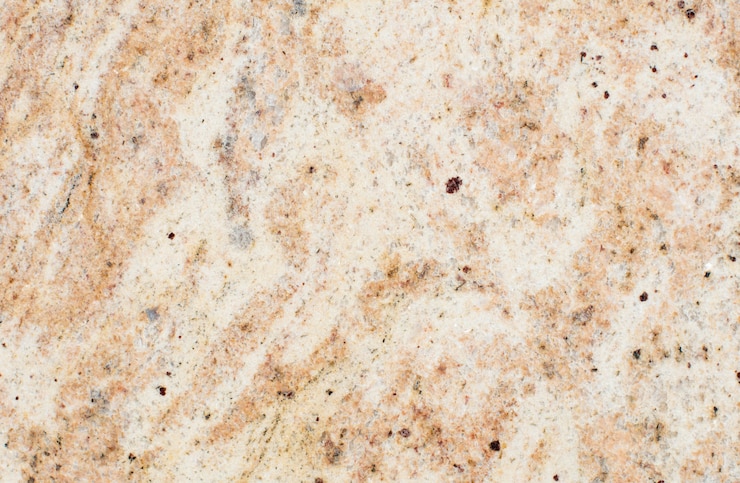
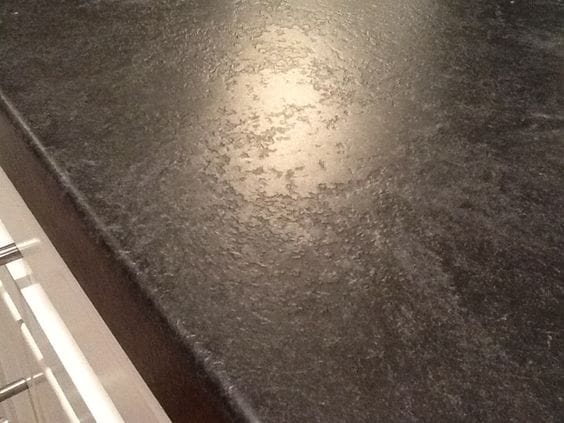
encimeras de esteatita
Soapstone is a metamorphic rock made mostly of talc, which gives it a soft, smooth feel. It comes in gray, green, blue-gray and near-black shades with subtle white or light gray veining. Soapstone is dense and non-porous, so it resists stains and bacteria without sealing, and it handles hot cookware very well.
Its softness means it scratches and dents, although marks can be sanded out or softened with mineral oil. Oiling is optional and mainly cosmetic, helping the stone darken evenly into a patina.
Coste típico de instalación: $ 60 a $ 130 por pie cuadrado
| Ventajas | Desventajas |
| Non-porous, no sealing | Soft; scratches and dents |
| Excelente resistencia al calor | Limited, mostly dark colors |
| Scratches can be sanded out | Darkens over time |
| Distinctive natural patina | Similar price to granite |
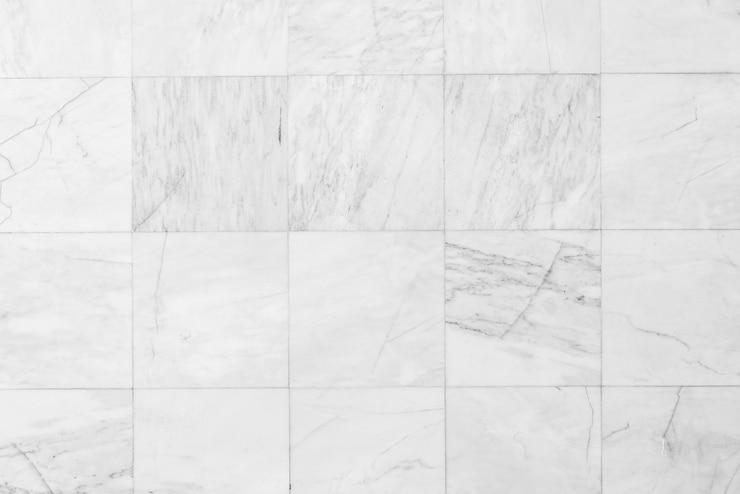
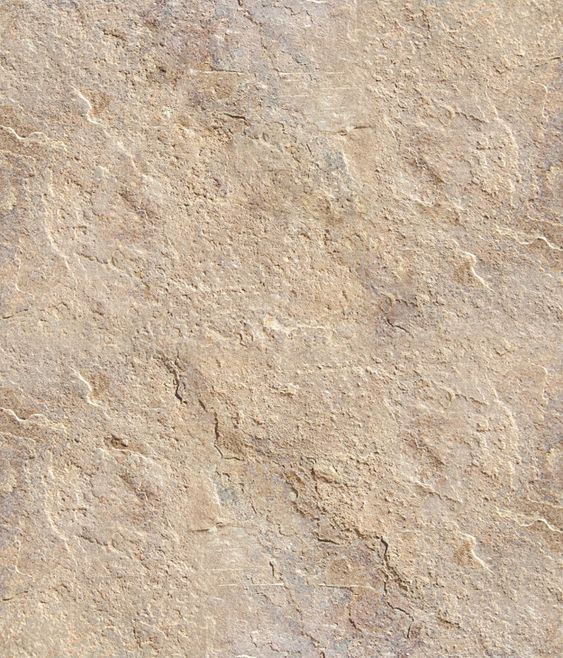
Encimeras de pizarra
Slate is a fine-grained metamorphic rock formed from shale or clay. It comes in gray, green, black, purple and brown tones with a matte, natural texture, and can be finished honed, polished or cleft for a more rustic surface. High-grade slate is dense, has very low porosity and resists heat and stains, so it often needs little or no sealing. It is softer than granite, however, so it can scratch, and edges may chip. Slate is also a good choice for outdoor kitchens.
Coste típico de instalación: $ 50 a $ 100 por pie cuadrado
|
Ventajas |
Desventajas |
|
Low porosity, stain-resistant |
Scratches more easily than granite |
|
A prueba de calor |
Edges can chip |
|
Matte, earthy look |
Gama de colores limitada |
|
Trabaja al aire libre |
La calidad varía según el grado. |
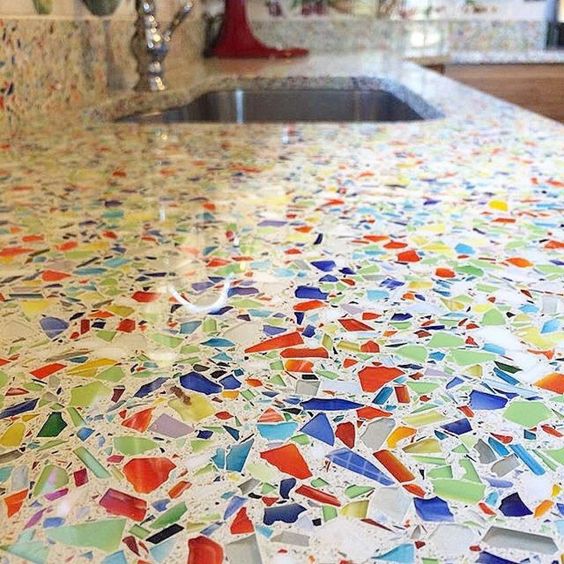
Limestone and Travertine Countertops
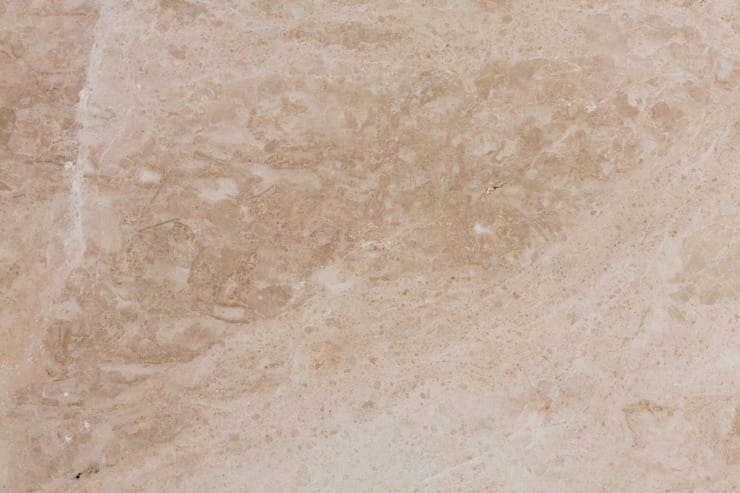
Limestone is a sedimentary rock made mostly of calcium carbonate. It offers soft, warm colors such as cream, beige, yellow, gray and white, in honed, polished or brushed finishes.
Travertine is a form of limestone deposited by mineral springs, especially hot springs. Its name comes from Tivoli, near Rome, and it is recognizable by the small pits and holes in its surface, which are often filled during fabrication. enciclopediabuffaloah
Both stones are softer and more porous than granite. They can stain and etch from acidic spills, so they need regular sealing, typically once or twice a year, and careful cleaning with pH-neutral products. They are best suited to bathrooms, bars and lower-traffic areas.
Coste típico de instalación: varies widely by grade and finish; get local quotes, as fabricated prices often approach other natural stones
| Ventajas | Desventajas |
| Warm, natural, matte look | Porous; needs frequent sealing |
| Fácil de cortar y dar forma. | Etches from acids |
| A prueba de calor | Arañazos y desconchones |
| Travertine is often affordable as material | Travertine pits need filling |
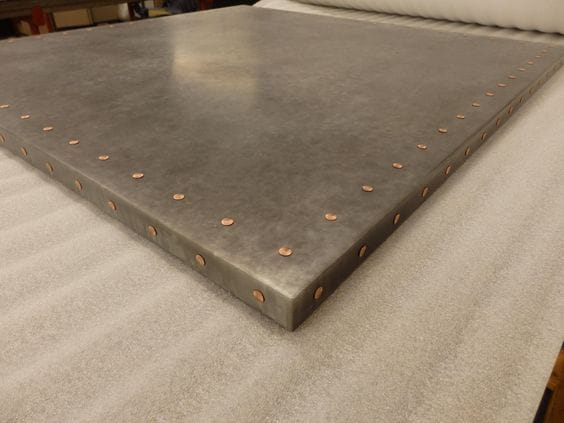
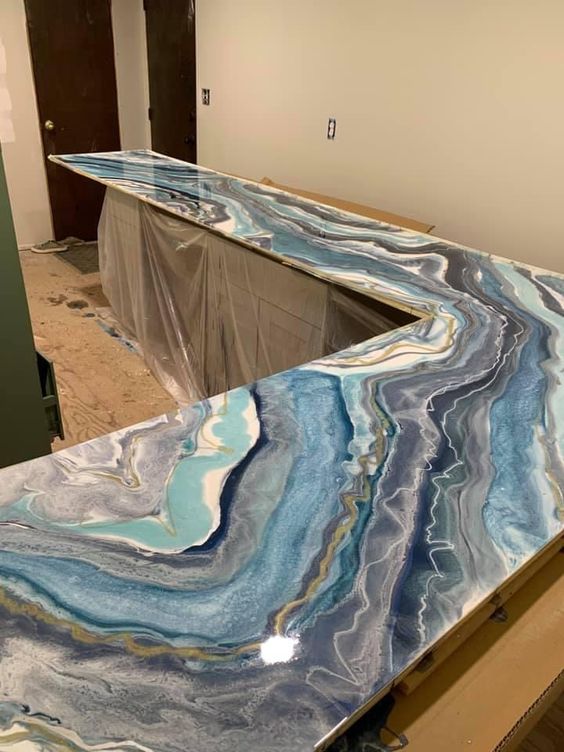
Encimeras de piedras preciosas
Gemstone countertops are made from semi-precious stones such as agate, amethyst or quartz crystal, set in resin and polished into slabs. Some designs are backlit for a dramatic effect. They are among the most expensive countertop options, so they are a luxury statement rather than a budget alternative to granite. Most are used on islands, bars, vanities and feature walls.
Coste típico de instalación: often $400 to $1,500 or more per square foot stonify
| Ventajas | Desventajas |
| Unique, vibrant appearance | Far more expensive than granite |
| Puede ser retroiluminado | Resin can scratch or yellow |
| Statement piece for feature areas | Specialist fabrication and long lead times |
Wood, Metal, Tile and Concrete Alternatives
Butcher Block and Wood Countertops
Wood countertops, often called butcher block, are made from hardwoods such as maple, oak, walnut and cherry. They add warmth that stone cannot match and can be sanded and refinished when worn, which extends their life. When sourced from responsibly managed forests, wood is also a renewable choice.
Wood needs regular oiling or sealing, and it can stain, warp or crack if water sits on it. Many kitchens use wood on an island and a harder surface around the sink.
Coste típico de instalación: about $30 to $150 per square foot, depending on wood species and construction
| Ventajas | Desventajas |
| Aspecto cálido y natural | Needs regular oiling or sealing |
| Se puede lijar y repintar. | Water and heat damage |
| Budget-friendly entry options | Rasguños y abolladuras |
| Good cutting surface | Not ideal near sinks |
Encimeras de acero inoxidable
Stainless steel countertops are the standard in professional kitchens because they are non-porous, heat-resistant and easy to sanitize. They are made from thick-gauge steel in finishes ranging from brushed matte to polished, and can be fabricated with integrated sinks, backsplashes and drainboards. Stainless steel shows fingerprints, scratches and dents, although a brushed finish hides wear better. See how it compares with other commercial options in our guide to restaurant countertop materials.
Coste típico de instalación: $ 80 a $ 200 por pie cuadrado
| Ventajas | Desventajas |
| Heat-resistant, hygienic | Rasguños y abolladuras |
| Integrated sinks possible | Muestra huellas dactilares |
| Fácil de desinfectar | Noisy and cold-looking |
| Duradero | Often costs more than granite |
Zinc and Copper Countertops
Zinc and copper countertops are thin metal sheets wrapped over a wood or MDF substrate. Zinc has a soft bluish-gray color, while copper starts bright and darkens to a rich brown. Both develop a living patina that changes with use, giving a warm, vintage character.
They are non-porous and naturally antimicrobial, but they are soft metals that scratch and dent. Acidic foods can leave marks, and hot pans can discolor the surface, so they suit owners who welcome an aged look.
Coste típico de instalación: zinc $90 to $200, copper $100 to $200 per square foot guía de inicio
|
Ventajas |
Desventajas |
|
Unique patina and character |
Soft; scratches and dents |
|
Naturalmente antimicrobiano |
Reacts to acids and heat |
|
No poroso |
Usually costs more than granite |
|
Fácil de limpiar. |
Look keeps changing |
Encimeras de azulejos
Tile countertops are built from ceramic or porcelain tiles set on a plywood or cement board base and grouted, arranged in any pattern you choose. Tile is affordable, heat-resistant and DIY-friendly, and it offers endless colors and patterns.
The weak point is grout: lines collect dirt, stain easily and need periodic sealing. Individual tiles can chip, and the surface is uneven for rolling dough. Using larger tiles with thin grout lines reduces upkeep.
Coste típico de instalación: alrededor de $10 a $35 por pie cuadrado
| Ventajas | Desventajas |
| Low cost, DIY-friendly | Grout stains and needs sealing |
| A prueba de calor | Superficie irregular |
| Diseños infinitos | Tiles can crack or chip |
| Damaged tiles replaceable | Dated look for some styles |
Encimeras De Concreto
Concrete countertops are cast from cement, aggregates and water, often reinforced with glass fibers, either on site or in molds. They can be stained, colored, polished, shaped and textured almost any way you like, with options such as integrated sinks, built-in trivets or embedded glass and stone.
Concrete is heat-resistant but porous, so it needs regular sealing and waxing to resist stains, and hairline cracks can develop over time. It is also very heavy and slow to produce.
Coste típico de instalación: $ 50 a $ 150 por pie cuadrado
| Ventajas | Desventajas |
| Totalmente personalizable | Porous; needs sealing and waxing |
| Aspecto industrial y moderno | Hairline cracks possible |
| A prueba de calor | Muy pesado |
| Integrated sinks possible | Plazos de entrega prolongados |
Which Granite Alternatives Are Actually Cheaper?
Not every alternative saves money. With granite typically installed at $80 to $150 per square foot, many popular substitutes cost about the same once fabrication is included. Slab materials such as quartz, porcelain and natural stone all need templating, cutting, edge work and professional installation, and that labor narrows the price gap. Real savings usually come from materials that are lighter, simpler to fabricate or partly DIY-friendly.
Prices below are typical U.S. installed ranges per square foot, based mainly on HomeGuide cost data, and vary with region, grade, thickness and edge details. guía de inicioguía de inicio
| Material | Costo de instalación típico | Compared With Granite |
| Laminado | 20-80 | Más barato |
| Azulejo | 10-35 | Más barato |
| tabla de carnicero | 30-150 | A menudo más barato |
| Superficie sólida | 40-100 | A menudo más barato |
| Marmol | 40-150 | Superposiciones |
| Pizarra | 50-100 | Similar or cheaper |
| Porcelain / sintered stone | 50-120 | Habitaciones |
| Quartz | 50–150 + | Habitaciones |
| Concreto | 50-150 | Habitaciones |
| Esteatita | 60-130 | Habitaciones |
| Cuarcita | 65-150 | Similar o superior |
| Vidrio reciclado | 60-250 | Similar a mayor |
| Acero inoxidable | 80-200 | Generalmente más alto |
| Zinc / copper | 90-200 | Generalmente más alto |
| Piedra preciosa | 400–1,500 + | Far higher |
Also consider lifetime cost. Materials that need regular sealing, oiling or waxing, such as marble, limestone, wood and concrete, add maintenance time and product costs every year, while non-porous surfaces like quartz, porcelain and solid surface do not.
For the lowest upfront cost, laminate and tile are the clear winners. For a durable surface that is often cheaper than granite and easy to repair, solid surface is a strong middle ground.
Which Alternatives Look Most Like Granite?
If you love granite’s speckled look but want to avoid its sealing or price, these materials come closest:
- Cuarzo: Many manufacturers offer granite-look designs with flecks and mineral patterns, without the need for sealing.
- Porcelain and sintered stone: High-resolution printing can replicate granite’s depth and variation on a thin, tough slab.
- Superficie sólida: Particle-rich and granite-look solid surface patterns give a speckled stone effect with seamless joints and on-site repairability.
- Laminado: Granite prints are the most affordable way to get the look, though the texture is flat.
Natural stones such as quartzite and slate offer a natural feel but look different from granite, while metals, wood and concrete create an entirely different style.
How to Choose the Right Granite Alternative
Start with your main reason for replacing granite, then match it to the material that solves that problem. Weigh up the four factors that matter most in daily use: hardness, heat tolerance, porosity and maintenance. Then check the practical details, including slab size, seam placement, cabinet support for heavier stones and your fabricator’s experience with the material. If minimal upkeep is the priority, see our guide to the lowest-maintenance countertop materials.
| Si quieres… | Considerar |
| No sealing and easy care | Quartz, porcelain, solid surface |
| El precio más bajo | Laminado, baldosas |
| Máxima resistencia al calor | Porcelain, soapstone, stainless steel |
| Seamless tops and integrated sinks | Solid surface, stainless steel |
| Natural stone character | Quartzite, marble, soapstone, slate |
| Uso al aire libre | Porcelain, slate, stainless steel |
| A warm, organic feel | Butcher block, soapstone |
| A bold design statement | Terrazzo, recycled glass, gemstone |
For commercial projects such as hotels, restaurants and healthcare spaces, also consider hygiene, repairability and consistent color across many units. Non-porous, repairable surfaces like solid surface reduce long-term maintenance where countertops see heavy daily use.
Preguntas frecuentes
What is the best alternative to granite countertops?
Quartz is the most popular direct alternative because it offers a stone look, high durability and no sealing. Porcelain is the best choice for heat and outdoor use, while solid surface is best for seamless, repairable surfaces.
What is cheaper than granite but looks like it?
Laminate with a granite print is the cheapest way to get the look. Solid surface in a granite-look pattern is often cheaper than granite installed and offers seamless joints and easy repairs.
Is quartz better than granite?
Quartz is easier to maintain because it never needs sealing and has a more consistent pattern. Granite handles direct heat better and works outdoors. The better choice depends on whether low maintenance or natural variation matters more to you.
Which granite alternatives don’t need sealing?
Quartz, porcelain, sintered stone, solid surface, laminate, soapstone, stainless steel and resin-based recycled glass do not need sealing. Quartzite, marble, limestone, travertine, slate in lower grades, wood and concrete do.
Which granite alternatives work outdoors?
Porcelain, sintered stone, slate and stainless steel handle sun and weather well. Avoid quartz, which can yellow under UV, and check manufacturer guidance before using any resin-based surface outside.
Is solid surface more durable than granite?
Granite is harder and more heat-resistant, but solid surface is easier to repair because scratches and chips can be sanded out. For a detailed breakdown, see how solid surface and granite compare on durability.
Conclusión
The best granite alternative depends on what you want to change. Quartz and porcelain are the strongest all-round replacements, and laminate and tile win on budget. Natural stones like quartzite and soapstone offer character, while solid surface gives seamless, repairable tops that are often more affordable than granite. If you still prefer granite after comparing, our guide to choosing a granite color va a ayudar.
For kitchens, bathrooms and commercial projects that need durable, low-maintenance surfaces, KKR Stone provides fabricación de superficies sólidas a medida in a wide range of colors and patterns. Request a quote from KKR Stone para discutir tu proyecto.