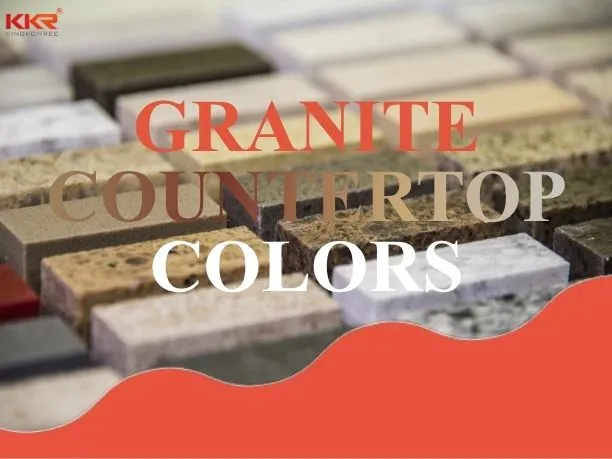








Are you looking to offer your clients a variety of high-quality solid surface countertops? Understanding the different types available can help you provide the best options for their specific needs.
With years in the countertop industry, I know the best options. My expertise will guide you in making the right choice.
Here’s a sneak peek at the 2 best types of solid surface countertops that we will be exploring:
- Acrylic Solid Surface Countertops
- Marble Solid Surface Countertops
In this guide, you’ll discover the 7 different types of solid surface countertops. We’ll explore their features, benefits, and ideal uses to help you make informed recommendations to your clients.
So let’s begin!
1. Acrylic Solid Surface Countertops
Acrylic solid surface countertops are made from a mix of acrylic resins and natural minerals. This creates a non-porous and seamless material. These countertops are popular in places like restaurants and offices because they are durable and easy to clean. They come in many colors and patterns to fit any design. Here are some things to keep in mind:
Heat Resistance
Acrylic countertops are strong but not as heat-resistant as quartz or granite. High temperatures can damage them, causing discoloration or warping. It is important to use trivets or heat pads to protect the surface from hot pots and pans. And you know what? This is crucial for businesses that need countertops to handle busy kitchen activities.
Susceptibility to Scratches
Acrylic surfaces can get scratched easily, especially from sharp objects or heavy use. Minor scratches can often be polished out, but deeper cuts might need professional repair. In high-traffic areas or places with heavy use, it’s smart to use cutting boards. Regular maintenance and careful use can help reduce this problem.
Chemical Sensitivity
Acrylic countertops can be sensitive to some chemicals, which might cause discoloration or damage. Harsh cleaners and certain household chemicals should be avoided to keep the countertop looking good. It’s best to use non-abrasive cleaning products made for acrylic surfaces.
2. Marble Solid Surface Countertops
Marble solid surface countertops are made from crushed marble mixed with resin binders. This makes them strong and gives them the look of real marble. They come in many colors and patterns, so they can fit any design. Below are the considerations to look at for these countertops:
Porosity
Marble solid surface countertops can absorb liquids, making them less porous than natural marble but still prone to staining. Dark-colored or acidic spills can stain these countertops. Businesses in food service need to clean spills quickly. KKR offers countertops with advanced sealing technology to help reduce maintenance needs.
Maintenance
Keeping marble solid surface countertops looking new requires more work than other materials. Regular cleaning with gentle, non-abrasive products is essential to avoid surface damage. In the second place, periodic resealing is also necessary to maintain their resistance to stains and moisture.
Susceptibility to Etching
Marble solid surfaces can get etched when they come into contact with acidic substances. For example, citrus fruits, vinegar, and certain cleaning products can cause dull spots on the surface. To avoid permanent damage, spills should be cleaned up immediately and carefully.

3. Polyester Solid Surface Countertops
Polyester solid surface countertops are made from a mix of polyester resins and natural minerals. They are known for their bright colors and shiny finish, which can make any space look great. These countertops resist stains well and are easy to clean. Let’s explore the considerations to examine these countertops:
UV Sensitivity
Polyester surfaces can fade or change color if exposed to a lot of sunlight. This makes them less ideal for places with lots of natural light or outdoor use. To keep them looking good, it’s best to place them in areas with controlled lighting.
Surface Imperfections
Polyester countertops can show scratches and dents more easily than other materials. The shiny finish can make these flaws more noticeable. Regular cleaning and polishing can help reduce the appearance of these imperfections. Here’s the point: business owners should know this and be prepared to maintain the countertops regularly.
Odor During Fabrication
The fabrication process of polyester solid surface countertops can produce strong odors due to the chemicals in the resin. These smells can be unpleasant and might need good ventilation during installation. Knowing this can help in planning and mitigating any potential inconvenience.
Here’s a table detailing the considerations and benefits of proper ventilation during the fabrication and installation of polyester solid surface countertops, which can emit strong odors due to the chemicals used:
| Feature | Description | Benefit |
| Odor Emission | Polyester resin used in solid surfaces can emit strong odors during cutting and installation. | Prepares installers and homeowners for the need for adequate ventilation. |
| Ventilation Requirements | Effective ventilation systems are necessary to dissipate odors and maintain air quality. | Protects workers and residents from potential irritants and harmful fumes. |
| Installation Planning | Understanding the odor implications helps in planning installation at times that minimize disruption. | Schedules work during less disruptive times, improving comfort for occupants. |
| Professional Handling | Skilled installers can manage the fabrication process to minimize odor issues. | Ensures the process is handled correctly, reducing the intensity and duration of odors. |
| Communication with Clients | Informing clients about potential odors and the steps being taken to mitigate them. | Enhances transparency and customer satisfaction by setting proper expectations. |
4. Quartz Solid Surface Countertops
Quartz solid surface countertops are made from natural quartz crystals mixed with resin binders. This creates a non-porous surface that looks like natural stone but without upkeep. These countertops are becoming more popular, with a big growth expected from 2024 to 2031, as per Information Technology News. Here are the considerations to keep in mind in these countertops:
Weight
Quartz countertops are much heavier than many other types. This extra weight means they need strong support and can make installation harder. Special equipment and professional installation are often needed, which can increase costs. Businesses should check if their structures can handle the weight and plan for the added expenses.
Limited DIY Options
Because of their weight and how they are made, quartz countertops are not good for DIY projects. They need to be handled by professionals, and precise installation ideas and techniques must be used to avoid damage. This can raise installation costs and limit options for businesses that like to do things themselves. And on top of that, it’s important to plan for professional installation when choosing quartz.
Visible Seams
Even though quartz countertops can look seamless, larger installations might have visible seams. These seams can affect the overall look and might be a concern for businesses wanting a completely smooth surface. Properly matched and professionally installed seams can help, but they might still be noticeable in some cases.

5. Epoxy Resin Solid Surface Countertops
Epoxy resin solid surface countertops are made by pouring a mixture of epoxy resin and hardeners onto a base, creating a smooth and shiny surface. These countertops, especially from KKR, can be made in many different designs and bright colors. Here are some things to think about when choosing epoxy resin solid surface countertops:
Sensitivity to UV Light
Epoxy resin countertops can change color or turn yellow when exposed to a lot of sunlight or strong indoor lights. This makes them less ideal for places with a lot of natural or strong artificial light. Adding UV inhibitors to the epoxy mix can help but might not stop all discoloration. Businesses should consider the lighting in the area where the countertop will be placed.
Prone to Scratching
While epoxy resin is durable, it is not entirely scratch-resistant. For example, sharp objects and heavy use can cause surface scratches that may affect the countertop’s appearance. But that’s not all: regular maintenance and the use of cutting boards can help minimize this issue.
Complexity of Repairs
Fixing damaged epoxy resin countertops can be tricky and often needs a professional. Matching the original color and finish can be hard, making it tough to repair seamlessly. Small damages can sometimes be fixed with DIY kits, but bigger problems might need the entire surface to be redone.

6. Concrete Solid Surface Countertops
Concrete solid surface countertops are made from a mix of cement, aggregates, and water. These countertops can have different colors, textures, and finishes to match any design. They are popular for their industrial and modern look, making a bold statement in commercial spaces. Below are the considerations to contemplate for these countertops:
Susceptibility to Cracking
Concrete countertops are strong but can crack over time due to shrinkage, movement, or heavy impact. Even with reinforcement, cracks can still happen. Fixing cracks can be hard and might not make the countertop look new again. Why do I say this? Because this risk should be considered, especially in places with a lot of heavy use.
Customization Cost
Concrete countertops can be customized a lot, but this can be expensive. Complex designs, custom molds, and special finishes can increase costs. The process of making and installing these features is labor-intensive and adds to the expense.
Color Inconsistency
Concrete countertops can sometimes have color inconsistencies because of differences in the mixing and curing process. These variations can be more noticeable in lighter colors or larger installations. While some may appreciate the unique, organic look, others may find it undesirable. Ensuring a consistent color match can require careful selection and expert craftsmanship.

7. Recycled Glass Solid Surface Countertops
Recycled glass solid surface countertops are made by mixing crushed glass pieces with a resin or concrete binder. These countertops come in many colors and patterns, often using glass from bottles and other sources. Here are the considerations to deal with when choosing recycled glass solid surface countertops:
Brittleness
Recycled glass countertops can be more brittle than other materials, making them prone to chipping or cracking under heavy impact. This means they need careful handling during installation and daily use to avoid damage. Business owners should be aware of the potential for increased maintenance or repair costs due to this brittleness.
Limited Customization
While recycled glass countertops offer various colors and patterns, the customization options are limited compared to materials like concrete or epoxy. The final look mainly depends on the types and colors of the glass used. So what’s the problem? This limitation might make it harder to achieve specific design goals or match existing decor exactly.
Seaming
Large installations of recycled glass countertops may have visible seams, which can affect the overall appearance. Properly aligning and blending these seams during installation can be challenging. The visibility of seams can be more noticeable in certain designs and color combinations. Discussing seam placement and blending techniques with the installer can help minimize this issue.

Conclusion
Choosing the right type of solid surface countertop is important for how your commercial space looks and works. Each type offers unique benefits, whether it’s durability, style, or ease of maintenance. With the variety available, there’s a solid surface countertop to match any design preference.
This article helps you learn about the different types of solid surface countertops, so you can make a good decision for your business. At KKR, we specialize in delivering different types of high-quality solid surface countertops for different applications. For more information on their products, contact us directly for personalized help.
Recommended Reading
Looking for more diverse product options? Browse through our handpicked selections:
For some insightful reads, we’ve curated a list of recommended articles just for you:
Still haven’t found what you’re looking for? Don’t hesitate to contact us. We’re available around the clock to assist you.