






Are you looking for countertops that combine durability with low maintenance? For businesses in the construction and home improvement industry, choosing the right countertop can significantly impact both efficiency and customer satisfaction.
With years of expertise in the countertops industry, I understand the unique challenges you face in selecting materials that meet both practical and aesthetic needs.
Here’s a sneak peek at 2 of the top countertop choices we will explore:
- Quartz Countertops
- Granite Countertops
In this guide, you’ll discover 9 low-maintenance countertops that streamline operations, cut costs, and boost profits. Each option is assessed for cost, advantages, and disadvantages, helping you make informed decisions.
So, let’s get down to it!
1. Quartz Countertops
Quartz countertops are highly valued in busy business environments for their durability and low maintenance. They are manufactured by blending crushed stone with polymers, which is then heated and molded to resemble natural stone. This process results in countertops that offer consistent quality and a visually appealing appearance.
Cost: $50 to $150 per square foot rate
Advantages
- Versatility: Quartz countertops are available in a wide range of colors and patterns that mimic natural stone, allowing them to complement any style of décor.
- Consistency: Each piece is uniformly crafted, making quartz ideal for large projects where a consistent look is necessary.
- Modern Style: Quartz countertops make modern kitchens look stylish with their smooth finish and simple design. For instance, they look great with flat-panel cabinets and shiny chrome fixtures.
- Durability: Quartz is known for its impressive durability, resisting scratches and impacts better than many other countertop materials.
Disadvantages
- Texture: While quartz mimics the appearance of natural stone, it lacks the complex, organic texture that some people prefer.
- Authenticity: The quality of quartz can vary, and lower-grade materials may appear synthetic, which can detract from the overall aesthetic.
- Pattern Consistency: Some may find the uniform pattern of quartz less appealing compared to the unique variations found in natural stone.
- Seams: If not installed carefully, the seams between pieces of quartz can be visible, disrupting the smooth, continuous look.

2. Granite Countertops
Granite is a top choice for countertops due to its attractive and durable nature, offering a luxurious look with low maintenance. The International Journal of Life Cycle Assessment notes that producing a square meter of granite tiles uses 28 kWh of electricity and 23 MJ of diesel. The study highlights that new technologies, like diamond multiwire machines, improve the efficiency and environmental impact of granite cutting.
Cost: $100 to $250 per square foot rate
Advantages
- Unique Look: Each granite slab has distinct patterns and colors, so no two countertops are the same.
- Increases Value: Granite adds a high-end touch that can enhance the value of any property or business.
- Hardness: Granite is exceptionally hard and resists scratches; only a diamond or another piece of granite can scratch it.
- Heatproof: Granite can withstand high temperatures, making it ideal for kitchens where hot pots and pans are frequently used.
- Stain Resistant: When sealed properly, granite does not absorb liquids, preventing stains and making it easy to maintain a clean appearance.
Disadvantages
- Needs Sealing: Granite is porous and requires sealing to prevent stains and bacteria. Regular resealing is necessary to keep it protected.
- Can Crack: While durable, granite can crack if subjected to heavy impact, especially on the edges. Such damages may require professional repair.
- Cold Feel: Granite can feel cold to the touch, which might be uncomfortable in cooler climates. Installing a warming mat can mitigate this issue.
- Expensive: Granite is more costly than many other materials, such as laminate or solid surface options, which can be a significant factor for those with strict budget constraints.

3. Laminate Countertops
Laminate countertops are a cost-effective option for updating a kitchen without spending too much money. They come in many styles and colors, making it easy to find a look that resembles more expensive materials like granite and marble. Additionally, laminate countertops are practical because they are easy to clean and maintain.
Cost: $8 to $40 per square foot rate
Advantages
- Range of Patterns: Laminate is available in numerous colors, textures, and patterns, including designs that mimic natural stone and stainless steel. This variety allows for flexibility in kitchen design.
- Effortless Installation: Lightweight compared to stone countertops, laminate can often be installed without professional help, further reducing costs.
- Cost-effective: While not as durable as more premium materials, with proper care, laminate countertops can serve well for many years, offering good value for the investment.
- Low Maintenance: Laminate surfaces are easy to clean and maintain, requiring only mild soap and water for regular upkeep, which is ideal for busy households.
Disadvantages
- Vulnerable to Injury: Laminate countertops can scratch and chip easily. They are also susceptible to heat damage and should not be used as cutting boards or exposed to hot pans directly.
- Water Damage and Delamination: Over time, water exposure can cause laminate layers to separate in a process called delamination, where the bonding glue weakens, making repairs difficult.
- Shorter Lifespan: Compared to materials, for instance, stone or stainless steel laminate countertops generally have a shorter useful life, which might lead to more frequent replacements.
- Design Constraints: Despite the variety, some laminate patterns can still appear artificial and lack the depth and luxury feel of real stone or wood, and may not appeal to all tastes.

4. Solid Surface Countertops
Solid surface countertop is popular because it lasts a long time and looks good. It is a mid-range option that many customers, including businesses, like. This countertop has a smooth finish and is easy to take care of, making it a practical choice for those who want something durable without needing a lot of maintenance. KKR offers this sturdy countertop, making it appealing in the market.
Cost: $10 to $80 per square foot
Advantages
- Smooth Integration: Solid surface materials provide a continuous appearance with no visible seams, enhancing the sleek look of the countertop. No doubt about it, this seamless design adds to the overall elegance and modern feel of any kitchen or bathroom.
- Stain-proof: Thanks to their non-porous nature, these countertops don’t harbor bacteria or stains, making them exceptionally hygienic and easy to maintain.
- Easy Repairs: Scratches and minor damage to solid surface countertops can be easily sanded out, helping to preserve the countertop’s aesthetic over time.
- Shock-resistant: KKR’s material withstands daily use without significant wear, perfect for busy kitchens.
Disadvantages
- Thermal Reactivity: Despite their inherent durability, solid surfaces can deform or discolor if exposed to high temperatures, hence, using trivets is highly recommended.
- Tender Surface: The material is softer compared to options like granite, making it prone to scratches. The trick is to treat it with care.
- DIY Challenges: Fabrication and installation of solid surface countertops can be complex, generally requiring professional expertise for optimal results.
- Limited Value Uplift: While solid surface countertops are functional and attractive, they do not significantly increase a home resale’s value compared to higher-end materials.
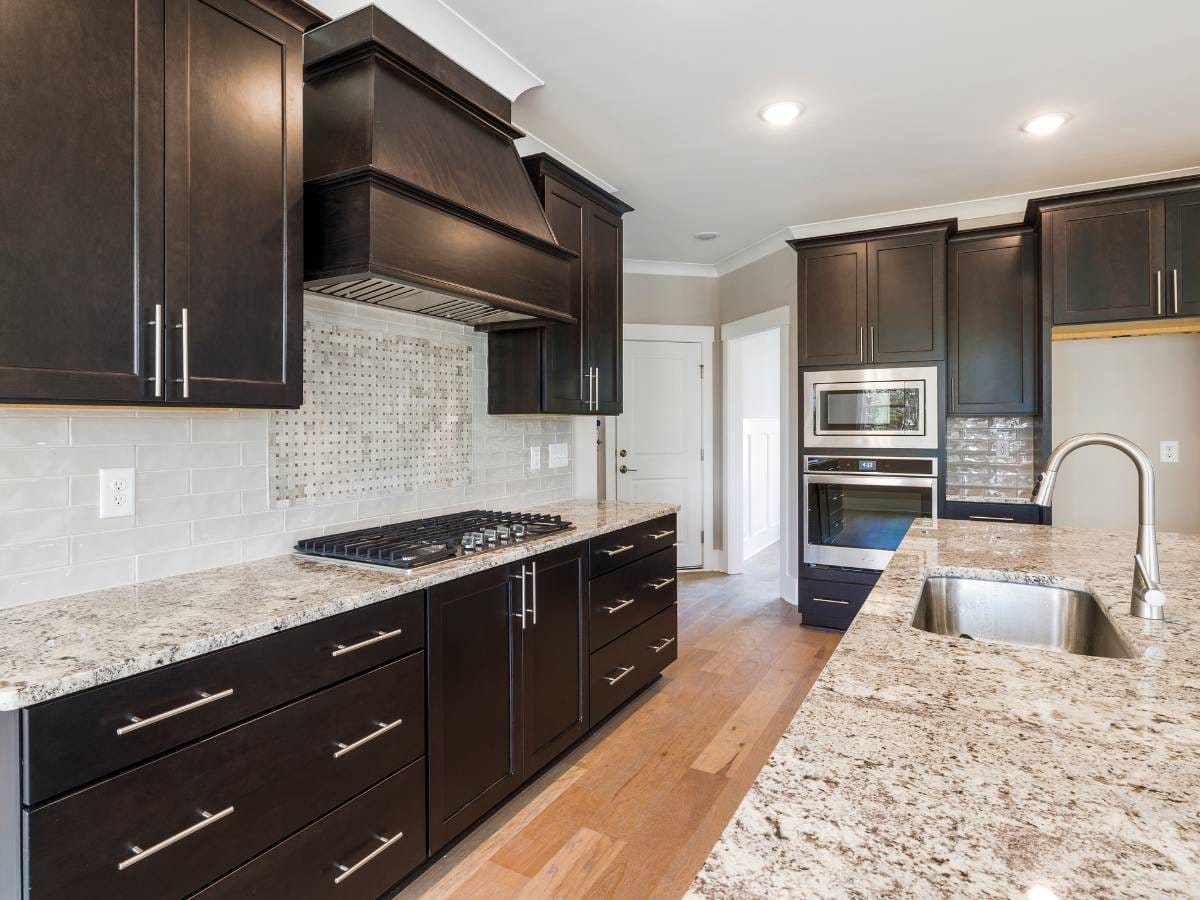
5. Recycled Glass Countertops
A recycled glass countertop is an eco-friendly choice that combines sustainability with beauty. These countertops are made by embedding colorful glass pieces in a binder, usually cement or resin. The glass can come from recycled bottles, windows, or other glass products, turning waste into stunning, durable surfaces that are easy to maintain.
Cost: $60 to $155 per square foot rate
Advantages
- Eco-Friendly Option: Made from repurposed materials like drinkware and auto glass, these countertops are sustainable and reduce waste.
- Built to Last: Recycled glass countertops are known for their strength and resistance to scratching, making them suitable for high-use areas.
- Tough Exteriors: These countertops can withstand heat and are non-porous, which makes them resistant to staining and easy to clean.
- Decorative Style: Each countertop is unique, featuring colorful bits of recycled glass that create a vibrant, custom look. You’ve got it, this adds a touch of personality and sustainability to a space, making the countertop not only beautiful but also eco-friendly.
Disadvantages
- Luxury Cost: Generally more expensive than traditional materials like granite, especially with custom features.
- Fragility Concerns: While durable, the surfaces are susceptible to chipping and cracking if heavy objects are dropped or if exposed to extreme heat.
- Skilled Placement Required: Requires professional installation due to the weight and the skill needed to ensure proper support and fit.
- Care Requirements: Cement-based options may require regular sealing to prevent stains and acid damage, whereas resin-based types are lower maintenance.
6. Stainless Steel Countertops
A stainless steel countertop is a top pick in professional kitchens due to its strength and ability to handle high heat and heavy use. Made from a combination of steel, chromium, and nickel, these countertops resist heat, water, and stains. Their sleek, modern look is easy to keep clean, making them ideal for busy kitchen environments.
Cost: $60 to $140 per square foot rate
Advantages
- Heat Capacity: Stainless steel effortlessly handles extreme temperatures, making it perfect for areas near stoves and ovens. Good for you, if you need a durable and heat-resistant option for a busy kitchen.
- Germ-resistant Top: The non-porous nature of stainless steel prevents bacteria and mold from settling in, ensuring a clean and hygienic workspace.
- Long-standing Appeal: Stainless steel maintains its look and functionality even under the toughest kitchen conditions, promising many years of reliable use.
- Personalized Setup: Thanks to its flexibility in fabrication, stainless steel can be tailored to any kitchen layout, allowing for a custom fit that optimizes workspace and flow.
Disadvantages
- Visible Usage: Although durable, stainless steel does show scratches and can dent, but these marks are often embraced as part of the character of a well-used kitchen.
- Factory-style: Its sleek, metallic finish may appear too stark or utilitarian for some. That’s when I realized, it requires thoughtful design choices to warm the space.
- Noise Features: Items coming into contact with stainless steel surfaces can be louder than on softer materials, which might be a consideration in noise-sensitive environments.
- Investment Required: While cost-effective in the long run, the initial outlay for high-quality stainless steel can be higher than some other materials, making it a considered purchase.
Here’s a table outlining the investment considerations for high-quality stainless steel products, emphasizing their long-term value despite the initial costs:
| Feature | Description | Benefit |
| Initial Cost | High-quality stainless steel products often come with a higher upfront price compared to alternatives. | Ensures superior durability and resistance to corrosion, reducing long-term maintenance and replacement costs. |
| Long-Term Savings | Over time, the durability and low maintenance needs of stainless steel lower overall expenses. | Saves money in the long run by minimizing the need for frequent replacements and repairs. |
| Durability | Stainless steel’s resistance to rust, corrosion, and staining extends the life of products. | Products maintain their appearance and functionality over time, enhancing usability. |
| Maintenance Costs | Requires less frequent and less intensive maintenance compared to materials like wood or plastic. | Lowers ongoing costs and effort required for care and maintenance. |
| Value Retention | Stainless steel items often retain their value better due to their longevity and appeal. | Offers potential for higher resale value if the product is sold used. |
7. Concrete Countertop
A concrete countertop offers a unique, customizable surface for kitchens, bathrooms, and entertainment areas. Made from a mix of cement, aggregates, and water, these countertops can be shaped and colored to fit any design. They combine practicality with visual appeal, providing a durable surface that requires minimal maintenance.
Cost: $65 to $135 per square foot rate
Advantages
- Design Adaptability: Concrete countertops allow for extensive personalization. You can select the color, form, and textures, and even embed unique features like trivets or personalized designs for your business.
- Decorative Assortment: Each countertop can be crafted to resemble materials like granite or marble, or to include artistic elements such as colored glass or stones.
- Reinforced Construction: The addition of glass fibers strengthens the concrete, enabling designs with long spans and intricate shapes that other materials might not support as well.
- Value Enhancement: Concrete countertops enhance property value with their durable and distinctive design.
Disadvantages
- Staining Potential: Concrete’s porosity makes it prone to stains. To maintain its appearance, it requires regular sealing and prompt cleanup of any spills.
- Lengthy Process: Creating and installing concrete countertops involves a prolonged process, which may not be suitable for those requiring a quick turnaround. That’s when you might hit a snag.
- Heaviness: The substantial weight of concrete may necessitate additional structural support, depending on the installation location.
- Ongoing Maintenance: To preserve both their appearance and functionality, concrete countertops need consistent care, including periodic sealing and waxing.

8. Soapstone Countertops
A soapstone countertop offers an elegant look and durability, making it suitable for both homes and businesses. Composed mainly of talc, chlorite, and magnesium, soapstone is non-porous and resistant to heat and stains. It is easy to care for, needing only simple maintenance to keep its natural beauty.
Cost: $55 to $120 per square foot rate
Advantages
- Thermal Tolerance: Soapstone maintains its structure under high temperatures, perfect for kitchens where cookware often goes from oven to countertop.
- Impervious Surface: Soapstone’s non-porous nature makes it inherently stain-resistant and eliminates the need for sealing, reducing upkeep. So, yes, it’s an excellent choice if you want a low-maintenance, durable surface.
- Adaptable Style: With its subtle veining and availability in shades of gray, blue, green, and black, soapstone seamlessly adapts to various interior designs.
- Embeddable Options: The softness of the stone allows for the addition of personalized features such as soap dishes, drainboards, or ornamental inlays directly into the countertop.
Disadvantages
- Prone to Scratching: While durable, soapstone can show scratches over time, which can either be seen as a patina adding character or a blemish, depending on one’s perspective.
- Limited Shades: Soapstone’s color range is predominantly dark, which might not align with everyone’s taste or existing decor.
- Persistent Care: It requires some upkeep to maintain their appearance. Fortunately, there’s a simple solution, regular oiling is recommended to enhance soapstone’s rich coloring and to protect its surface.
- Structural Demands: Due to its heft, soapstone requires solid cabinetry for support, which may affect installation choices.
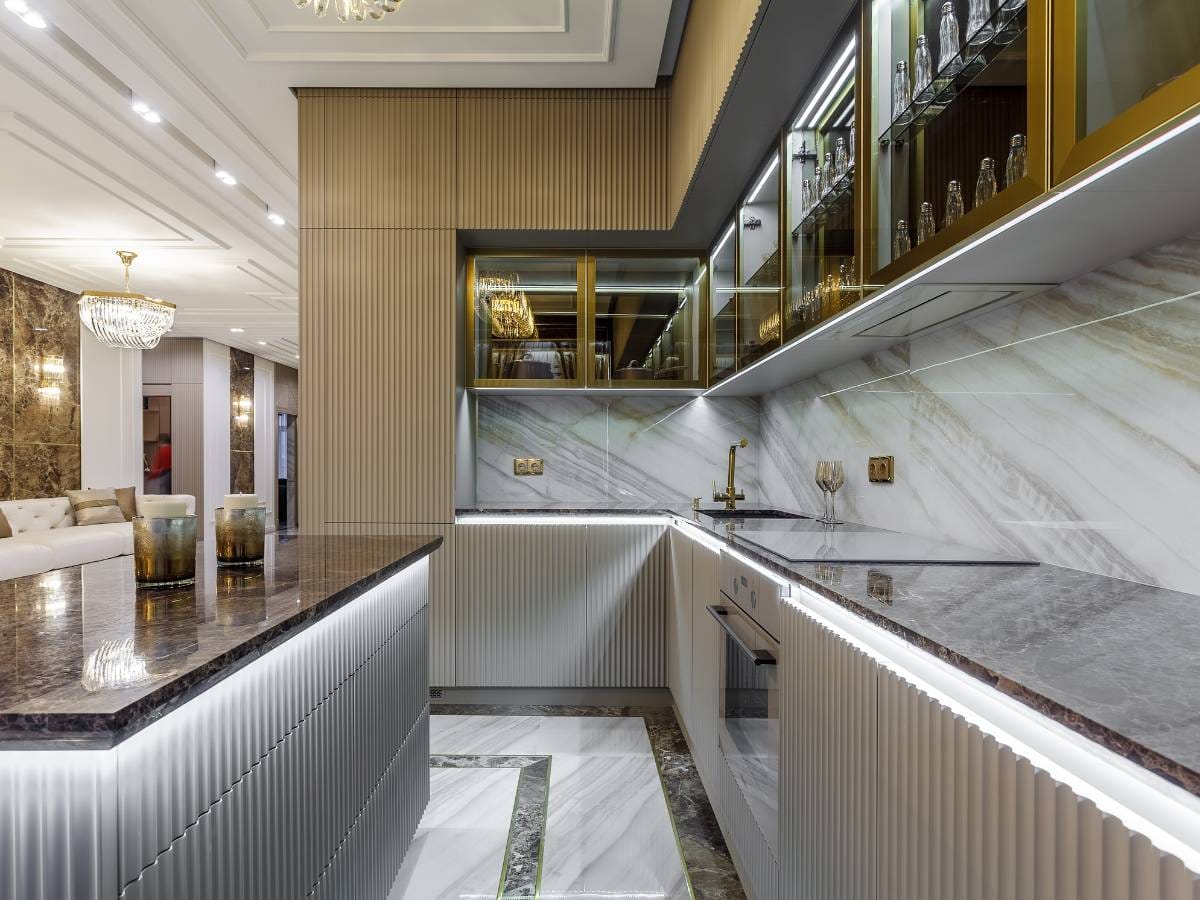
9. Porcelain Countertops
A porcelain countertop is a popular choice for kitchens and bathrooms, offering a stylish and practical surface. Made from a mixture of refined clay and minerals fired at high temperatures, porcelain is known for its hardness and resistance to scratches, stains, and heat. Its versatile design adds a modern touch to any space.
Cost: $55 to $120 per square foot rate
Advantages
- Thermal Tolerance: Porcelain maintains its integrity under high temperatures, which makes it ideal for environments where hot items are frequently used.
- Tough and Defiant: This material is significantly stronger than many traditional countertop options, boasting a high resistance to scratches, which makes it suitable for kitchen prep areas.
- Moisture Resistance: Thanks to its low porosity, porcelain effectively resists water infiltration, protecting against damage and making cleanup easy. Think about it. This feature makes porcelain an ideal choice for areas prone to spills and moisture, like kitchens and bathrooms.
- Color Stability: Porcelain’s UV resistance ensures that it does not fade or discolor, even when exposed to direct sunlight, maintaining its vibrant appearance over time.
Disadvantages
- Fracture Risk: Despite its overall durability, this is where people run into trouble, porcelain can be susceptible to cracking if impacted by heavy objects.
- Edge Design Restrictions: Due to its manufacturing process and material properties, porcelain typically has fewer edge design options compared to thicker countertop materials.
- Setup Precision: The installation of porcelain countertops requires precise handling and skills due to the material’s thinness, often necessitating professional installation.
- Regular Patterns: While porcelain can mimic the look of natural stones and other materials, its manufactured patterns may not fully replicate the depth and natural variation of these materials.

Conclusion
Choosing the right low-maintenance countertop is essential for any business owner looking to improve their workspace. By understanding the materials, costs, advantages, and disadvantages of these low-maintenance countertops, businesses can make informed decisions that enhance their operations and add value to their properties.
In conclusion, this article highlights the benefits of low-maintenance countertops. Whether your priority is sustainability, cost-effectiveness, or a high-end appearance, there is a countertop option to meet every need. KKR solid surface countertops can enhance both the style and functionality of any space. To learn more about how our countertops can benefit your business, contact us today.
Recommended Reading
Looking for more diverse product options? Browse through our handpicked selections:
For some insightful reads, we’ve curated a list of recommended articles just for you:
- Tips for Choosing the Right Solid Surface Material for Your Project
- How To Repair Solid Surface Countertop?
Still haven’t found what you’re looking for? Don’t hesitate to contact us. We’re available around the clock to assist you.