






Even if a restaurant offers top-notch food, it might still give off the wrong vibes if the place is uncomfortable, difficult to move around in, or not maintained properly. In fact, customers are already noticing the environment around them from the moment they step in. All those visual features, like light, colors, furniture, and decorative finishes, affect customers’ impression of the restaurant and the smoothness of service at the same time.
Good restaurant decor ideas must be visually appealing and should serve the purposes of the place. Material selection becomes part of that decision. A restaurant surface that looks good on the opening day should be able to maintain that efficacy throughout the year.
What Makes Restaurant Decor Work?
Designing an effective restaurant entails balancing aesthetics and function. A decorative element might draw people’s attention, but it shouldn’t impede movement or make maintenance more difficult than necessary.
The restaurant concept provides the starting point. A casual dining area can employ warm colors and comfortable furniture, while a contemporary restaurant can utilize sleek designs and smooth lines. A high-end restaurant, on the other hand, calls for a unique design that sets it apart from others.
Layout also influences how the décor performs. Customers need to have an easy way of moving about from one place to another within the restaurant, such as from the entrance to tables and from tables to restrooms. Decorative elements should support these movements rather than compete with them.
Brand Identity
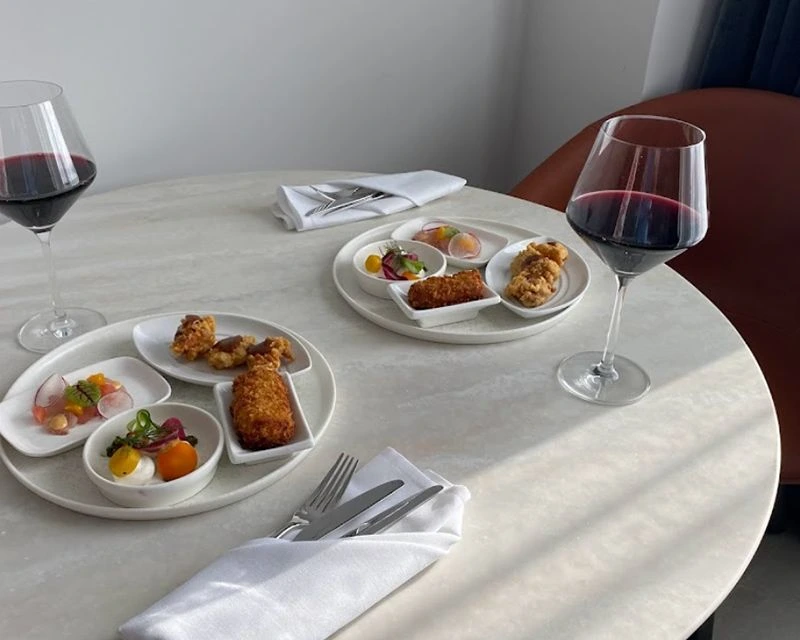
Restaurant interiors should complement the image that has been formed through the menu, signage, packaging, and other customer contact points. Colors, materials, furnishings, and finishes should all be part of one coherent visual vocabulary.
Consistency matters if there is more than one space that can be viewed from the dining area. The bar, reception desk, and bathroom, for instance, should all be integrated with the interior design.
Lighting and Atmosphere
The kind of lighting affects perception of materials and colors. For instance, warm lighting makes for a more intimate environment, whereas bright lighting creates a more spacious look.
Feature lighting can also highlight specific surfaces. Backlit materials, illuminated countertops, and decorative wall finishes can serve as focal points without overdecorating.
Lighting must be thought about in conjunction with surface finishes. Reflective, non-reflective, textured, and translucent surfaces interact differently with light.
Durability and Maintenance
Restaurant surfaces are exposed to stresses that home surfaces are not. Tables are repeatedly wiped. Counters come into contact with food and beverages. Bathrooms remain exposed to moisture. High-touch areas require frequent cleaning.
These conditions make maintenance part of the design decision.
A material that stains easily can create an ongoing appearance problem. Excessive joints can create areas where residue accumulates. Delicate finishes may require additional care to remain presentable.
The best restaurant design ideas account for what happens after installation, not only how the space looks when completed.
Restaurant Design Ideas for Different Spaces
Every restaurant area has different needs. Therefore, the same decorative strategy cannot be used everywhere.
Dining Areas
Dining spaces need to balance visual character with comfortable movement. Tables and seating should leave enough room for guests and staff to move without creating congestion.
Table surfaces also need to tolerate repeated cleaning. Materials with consistent finishes can help maintain a uniform appearance across frequently used dining furniture.
Bar and Service Areas
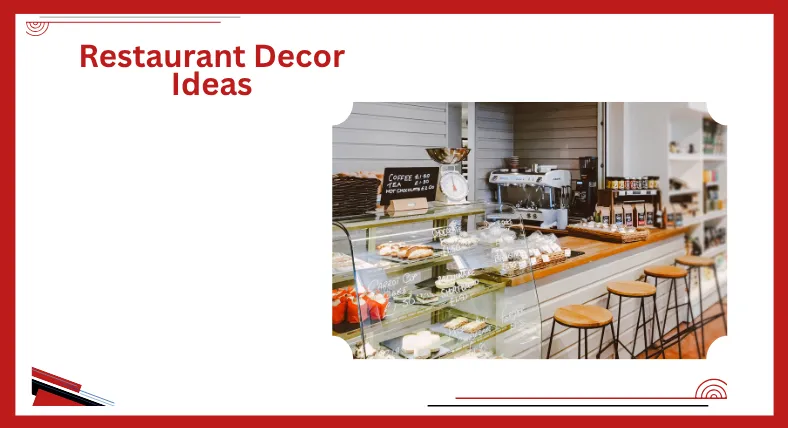
Bars and service counters experience frequent contact, spills, and cleaning. Their surfaces need to support the pace of daily operations while remaining visually prominent.
Custom counter shapes can also help a bar become a defining feature of the restaurant. Material flexibility becomes useful when the design includes curved edges, unusual dimensions, or integrated details.
Reception and Waiting Areas
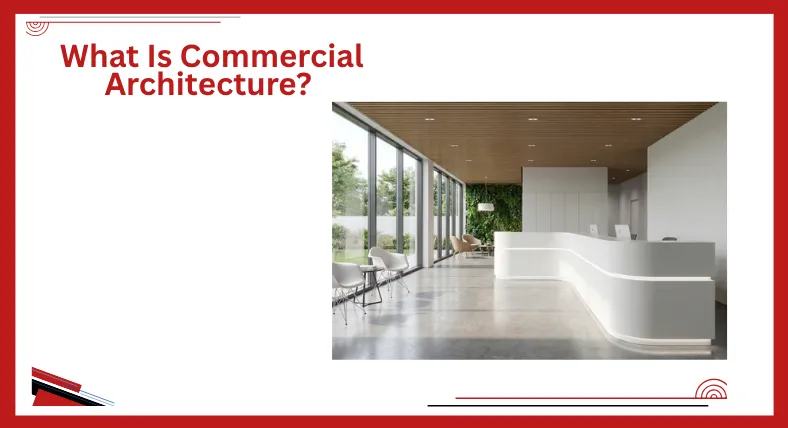
Reception desks are often among the first surfaces guests see. Their design needs to support the restaurant’s visual identity while handling constant contact.
A custom surface can help create a unique reception feature without adding a lot of decorative elements.
Bathrooms
Restroom facilities need a unique performance characteristic since moisture and maintenance are always issues.
Vanity tops and sink installations need to be easy to maintain and aesthetically coordinated with the overall interior design.
A seamless installation may help minimize visible joints and facilitate cleaning of wet environments.
How Materials Influence Restaurant Design
Materials determine how a decorative concept behaves under daily restaurant use. The right material can support the desired appearance while reducing maintenance pressure.
Solid surface is particularly relevant because it combines both performance and aesthetics of the facility. It is non-porous and can be used in humid places. Additionally, seamless installation can minimize visible joints.
The material can also be fabricated for specific applications within a restaurant. That opens possibilities for custom counters, tables, reception surfaces, wall applications, and bathroom installations.
This connection between design, fabrication, and performance matters during specification. A decorative concept may look simple on paper but require a material that can actually achieve the intended shape and continue performing under commercial conditions.
Why Solid Surface Works for Restaurant Interiors
Restaurant interiors must have materials that will not change appearance during prolonged use, frequent contact with people and different objects, exposure to liquids, moisture, and constant cleaning. Solid surface meets this requirement as it offers more room for design in terms of shapes, colors, and finish.
- Non-porous Surface: The material does not absorb liquids, making cleaning easier.
- Performance Durable: Endures frequent contact and repetitive commercial use.
- Repairable: Small scratches and wear and tear can be refinished without replacement.
- Flexibility in Design: Can be manufactured in customized size and shape for restaurant application.
- Finish and Colors: Offers options for various design concepts and interior elements.
- Customization: Can go beyond the conventional shape of rectangular counters and furniture.
Solid Surface Applications in Restaurant Design
The value of solid surface becomes clearer when considered in terms of application. Since different areas within a restaurant have specific requirements for the materials used, the specification must account for the actual use of each surface.
| Restaurant Area | Solid Surface Application | Design and Operational Benefit |
| Bar | Bar tops and counters | Seamless, durable surface |
| Dining area | Tables and tabletops | Easy maintenance and custom finishes |
| Reception | Reception desks | Custom shapes and consistent appearance |
| Service area | Counters and worktops | Supports frequent daily use |
| Walls | Decorative panels and cladding | Clean, continuous appearance |
| Bathroom | Vanities and sink systems | Moisture resistance and easier cleaning |
Bar Counters and Service Areas
Bar counters experience repeated contact throughout the day. Spills and frequent cleaning can quickly expose weaknesses in surface materials.
Solid surface can provide a continuous counter with fewer joints and a consistent finish. Custom fabrication also allows designers to create curved bar fronts, extended counters, or integrated details that support the overall restaurant concept.
Service counters require similar consideration. These areas need to withstand daily operational use without becoming visually disconnected from the customer-facing interior.
Restaurant Tables and Dining Surfaces
Dining tables need to balance appearance with practical maintenance. Staff clean these surfaces repeatedly, so finishes that are difficult to maintain can create unnecessary work.
Solid surface allows tables to be fabricated in custom shapes and dimensions. Designers can coordinate the tabletop with the restaurant’s seating arrangement instead of relying entirely on standard furniture sizes.
The surface can also contribute to visual consistency when several tables are installed throughout the dining area.
Reception Desks and Waiting Areas
The reception desk may serve as the defining feature of the restaurant before its clients proceed to the dining zone.
Because of solid surface fabrication, the reception desk may possess unique shapes and design details which help define the restaurant’s style. The same material can also be carried into other visible areas to create continuity.
This is especially useful when the reception area includes unusual dimensions or requires a statement feature without adding multiple decorative materials.
Wall Applications and Decorative Panels
Walls allow you to use various textures or colors without consuming the floor space of the restaurant.
Solid surface can be used for selected wall applications where a continuous and clean finish is preferred. Large surface areas can create fewer visual interruptions than heavily segmented finishes.
The application should still be specified according to the location. High-contact areas require different performance considerations from purely decorative walls.
Bathroom Vanities and Sink Areas
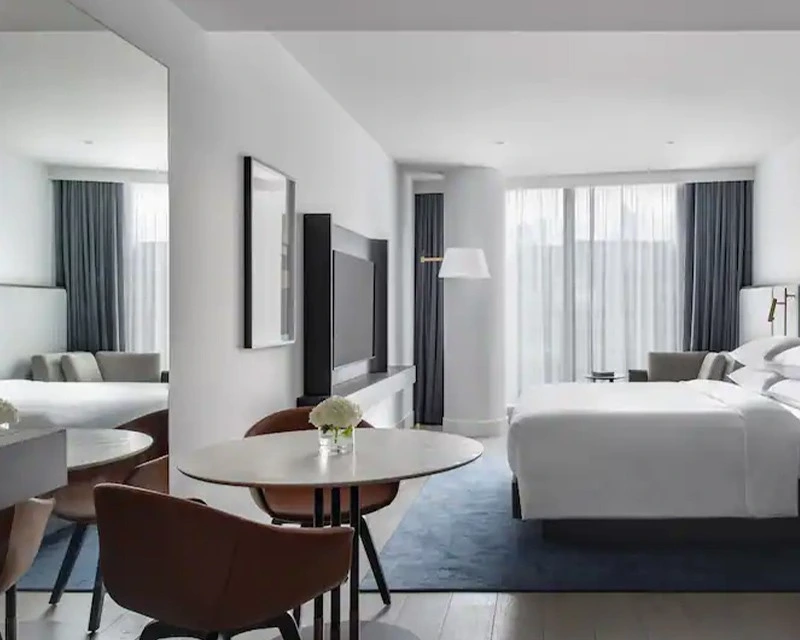
Bathrooms in restaurants face constant cleaning procedures and are likely to get wet often. So, the vanity surface should be hygienic and attractive at the same time.
Solid surface can be fabricated into integrated sink and countertop systems. The reduced number of joints makes the surface easier to clean around the basin.
Using the same or complementary solid surface finish in the bathroom can also connect the restroom to the restaurant’s broader design language.
Custom Restaurant Design With Solid Surface
Some restaurant concepts cannot be achieved effectively with fixed-size products. A curved bar counter, sculptural reception desk, or dining table can become a focal point without having to use several decor pieces.
Solid surface provides this flexibility through custom fabrication.
Designers can explore:
- Custom dimensions: Match counters and furniture to the available space
- Curved forms: Create softer profiles and distinctive feature elements
- Seamless transitions: Connect surfaces with fewer visible joints
- Integrated components: Combine functional surfaces into a cohesive installation
- Color and finish options: Coordinate surfaces with the restaurant’s visual identity
- Backlit applications: Create illuminated decorative elements where the selected material is suitable
This flexibility can be particularly useful in restaurants with strong visual concepts. The material becomes part of the architecture rather than simply a finish applied after the layout is established.
The project still needs to start with practical requirements. A custom shape should not create difficult cleaning zones or interfere with staff movement. The best result comes when fabrication flexibility supports the layout rather than complicating it.
Solid Surface Applications Can Support Both Design and Operations
Restaurant decorations have to work after opening day. Counters will be cleaned repeatedly. Tables will receive constant contact. Bathrooms will experience moisture. Reception areas will remain visible throughout operating hours.
Material selection should account for those conditions.
Solid surface provides a balance of non-porous functionality, seamless construction and reparability, and the ability to customize the material to provide a versatile solution for multiple restaurant applications. It allows the designer to explore unique forms while providing the project team with a maintenance-friendly material.
That makes solid surface particularly relevant when restaurant decor needs to deliver both a strong visual identity and dependable commercial performance.
How To Decorate a Restaurant? Restaurant Design Ideas
An effective design for a restaurant should not only look nice but be practical too. This means you need to consider color, surfaces, furniture, lighting, decor, and other elements together, not separately.
Restaurant Wall Decor Ideas
There are many ways to add uniqueness to the design without taking extra floor space. Walls can be used for painting, graphic design, textured surfaces, decorative panels, and feature surfaces. All of them will help to form the restaurant identity.
The material chosen for a wall should be water-resistant to make cleaning easier. Also, decorative elements shouldn’t create hard-to-reach places.
Solid surface panels can help create a seamless wall surface.
Restaurant Interior Decorating Ideas
Good restaurant decoration ideas should support the overall concept rather than compete with it. Furniture, lighting, wall finishes, counters, and decorative features should feel like parts of the same design language.
Consider the practical side of each decision as well. A decorative feature placed near a busy circulation route can become an obstruction. A highly detailed surface can increase cleaning time.
A useful approach is to prioritize elements that serve both a visual and functional purpose. A custom bar counter can become a focal point while providing a working surface. A feature wall can reinforce branding while defining a dining zone.
Restaurant Colors Ideas
Color can establish the atmosphere of a restaurant before guests interact with the furniture or menu. Neutral backgrounds can provide flexibility, while accent colors can reinforce branding and draw attention to selected areas.
Color should also be considered alongside lighting and material finish. For instance, the same color may look totally different in warm pendant lighting from the bright task lighting.
The solid surface provides greater versatility since the whole project might need matching colors for the counter, tables, vanities, or walls.
Restaurant Table Decorations
Table decorations are meant to give character without interfering with the process of eating or cleaning.
Centerpieces, branded items, plants, candles, and proper tableware may help in creating the proper atmosphere. The placement of these elements should not reduce the usable area for the guest.
Even the table top itself is one of the decoration elements of the restaurant. A solid surface table top can give a unique finish and durability at the same time.
Decorative elements should not become obstacles for staff. Anything that needs to be moved during every cleaning cycle can increase operational effort across the restaurant.
Restaurant Bathroom Design Ideas
A restaurant bathroom is part of the guest experience and should feel connected to the main interior. It also has different performance requirements because the space experiences moisture, frequent contact, and regular cleaning.
Non-porous surfaces can help simplify maintenance in vanity and sink areas. Seamless fabrication can reduce visible joints where dirt and moisture may accumulate.
Solid surface bathroom applications can include:
- Bathroom vanities: Support a clean, consistent appearance.
- Integrated sinks: Reduce visible transitions around the basin.
- Wall applications: Create continuous surfaces in selected areas.
- Countertops: Provide durable surfaces for frequent use.
The bathroom does not need to replicate the dining room exactly. Coordinating materials, colors, or finishes is often enough to make the spaces feel connected.
Contemporary Restaurant Interior Design
Modern restaurant decor often favors clean forms, controlled detailing, and materials that can perform under commercial conditions.
Large-format surfaces can reduce visual interruptions. Integrated furniture can make the layout feel more organized. Custom counters and curved features can create focal points without relying on excessive ornamentation.
Contemporary design also benefits from restraint. Too many materials, colors, or decorative transitions can make the interior feel fragmented.
Solid surface can support this approach through seamless applications, custom dimensions, and coordinated finishes. A single material can be fabricated into several applications, helping different areas of the restaurant maintain a consistent visual language.
Restaurant Seating Ideas
Seating affects both guest comfort and the amount of usable space available.
Booths and banquettes can make efficient use of walls. Loose tables and chairs offer greater flexibility when the restaurant needs to accommodate different group sizes.
The spacing between seating areas matters as much as the furniture itself. Tight arrangements can make guests feel crowded and create difficulties for staff moving through the dining area.
Material durability also matters. Restaurant seating and surrounding surfaces experience repeated contact, so finishes should be specified according to expected traffic and cleaning routines.
Ideas for Small Restaurant
Small restaurants need to use available space carefully. Every furniture piece, counter, and decorative feature affects circulation.
Wall-mounted elements can add visual interest without consuming floor space. Slim furniture can preserve movement paths. Custom-sized counters can fit awkward areas that standard products may leave unused.
Light colors and consistent surfaces can also help create a more open visual impression.
The most effective ideas for decorating a small restaurant combine appearance with space efficiency. Decorative choices should not reduce seating access, staff movement, or cleaning access.
Decorative Ideas for Luxury Restaurant
Luxury restaurant interiors benefit from custom details that create a distinct guest experience. The focus should be on quality, proportion, and consistency rather than simply adding more decoration.
A bespoke bar counter can become a major focal point. A custom reception desk can establish the design language at the entrance. Feature walls, curved surfaces, custom tables, and integrated lighting can add depth to the interior.
Solid surface is particularly useful when a luxury project requires unusual forms or coordinated custom fabrication. Its ability to support seamless applications and customized dimensions can help create details that standard products cannot easily achieve.
Luxury should still support practical operation. Decorative features should remain accessible for cleaning and maintenance, especially in high-use areas.
Create Restaurant Interiors That Balance Design and Performance
Strong restaurant decor ideas need to work beyond the opening day. Guests should experience a cohesive interior, while staff need surfaces and layouts that remain practical through daily use.
Material selection plays a direct role in that balance. Solid surface can support custom restaurant applications ranging from bars and tables to reception desks, wall features, bathroom vanities, and integrated sink systems. Its non-porous performance, seamless fabrication, and repairability can also support long-term maintenance requirements.
KKR Stone provides solid surface solutions for projects that require customized dimensions, consistent finishes, and application-specific fabrication. The focus is not simply on making a restaurant look distinctive. It is on creating surfaces that support the design while performing under real commercial conditions.
Contact KKR Stone to discuss custom solid surface applications for your restaurant design and decoration project.