






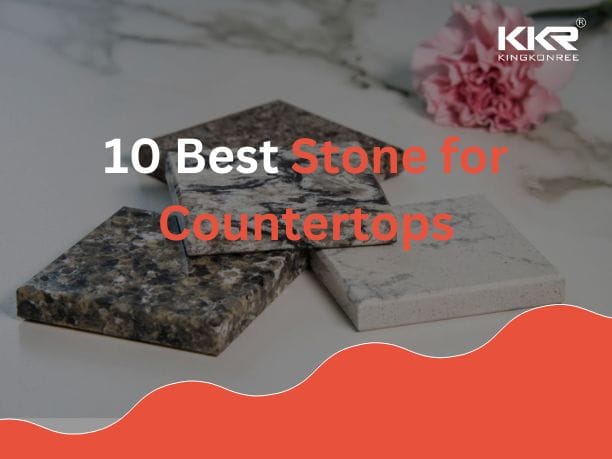
Are you looking to offer your clients the best stone options for countertops? Understanding the top choices can help you provide recommendations that enhance both aesthetics and durability.
With extensive experience in the countertop industry, I know the best stone materials and their benefits. My expertise will help you make informed decisions for your clients.
Here’s a sneak peek at the 2 best stones for countertops that we will explore:
- Granite
- Quartz
In this guide, you will learn about the top 10 stone options for countertops. We will explore their key features and ideal applications to help you choose the perfect material for your projects.
So let’s get started!
1. Granite
Granite is a natural stone known for being very strong and good-looking. It comes in many colors and patterns, making it a great choice for different styles. Granite countertops are tough and can handle scratches and heat, making them perfect for busy kitchens. Here are some details about granite:
Pricing: Start at $40 per square foot
Strong Points
- Durability: Granite is one of the hardest natural stones, so it doesn’t scratch or get damaged easily. This means countertops made of granite will look new for many years.
- Heat Resistance: Granite can handle high temperatures, so hot pots and pans can be placed on it without causing damage. This is very useful in busy kitchens.
- Low Maintenance: With proper sealing, granite is easy to clean and take care of. Using mild soap and water for daily cleaning keeps it looking nice.
Downsides
- Porosity: Granite is porous, so it needs to be sealed regularly to stop liquids like wine and oil from staining it. Without proper sealing, these liquids can seep into the stone and cause permanent stains.
- Weight: Granite is very heavy and needs strong cabinets and professional installation to prevent problems. Here’s the main issue with that: this can make the installation process more expensive and complicated.
- Seam Visibility: In larger countertops, seams may be visible, which some homeowners might not like. Skilled installers can make the seams less noticeable, but they can’t completely hide them.
2. Quartz
Quartz countertops are made from natural quartz crystals mixed with resin and pigments to create a strong, non-porous surface. This stone has consistent patterns and colors, making it popular in modern designs. Unlike natural stones, quartz does not need sealing, so it is easy to maintain. Here are the advantages and drawbacks of quartz:
Pricing: $50 to $150 per square foot
Strong Points
- Non-Porous Surface: Quartz does not absorb liquids or hold bacteria. This makes it very clean and easy to wipe down, perfect for kitchens.
- Consistent Appearance: Engineered quartz even has colors and patterns. This is good for people who want a smooth, modern look.
- Wide Range: This stone comes in many colors and finishes. So what’s my point? This means it can fit in any kitchen or bathroom style.
Here’s a table that outlines the benefits of choosing quartz for kitchen or bathroom surfaces, emphasizing its versatility in design:
| Feature | Description | Benefit |
| Versatility in Application | Suitable for various installations like countertops, backsplashes, and bathroom vanities. | Can be used in multiple areas of the home, providing a cohesive look throughout. |
| Consistency in Appearance | Engineered to have a uniform appearance, which is not always possible with natural stone. | Ensures that all pieces match perfectly, avoiding the variability seen in natural materials. |
| Durability | Quartz is non-porous and highly resistant to scratches, stains, and impacts. | Offers a durable surface that is easy to maintain and lasts for years without significant wear. |
| Contemporary and Traditional Appeal | Fits seamlessly into both modern and classic design schemes due to its diverse range of styling options. | Enhances the property’s value by appealing to a wide range of tastes and preferences in decor. |
Downsides
- Heat Sensitivity: Quartz can be damaged by too much heat. It is important to use trivets or hot pads to protect them. For example, hot pots and pans can cause marks or damage.
- Artificial Look: Some people like the natural look of stones like granite or marble. They might not like quartz because it looks more even and less unique.
- Heavy Weight: Quartz is very heavy and needs strong support and professional installation. This can make the project cost more and be more complicated. Proper installation is important to avoid damage.
3. Solid Surface
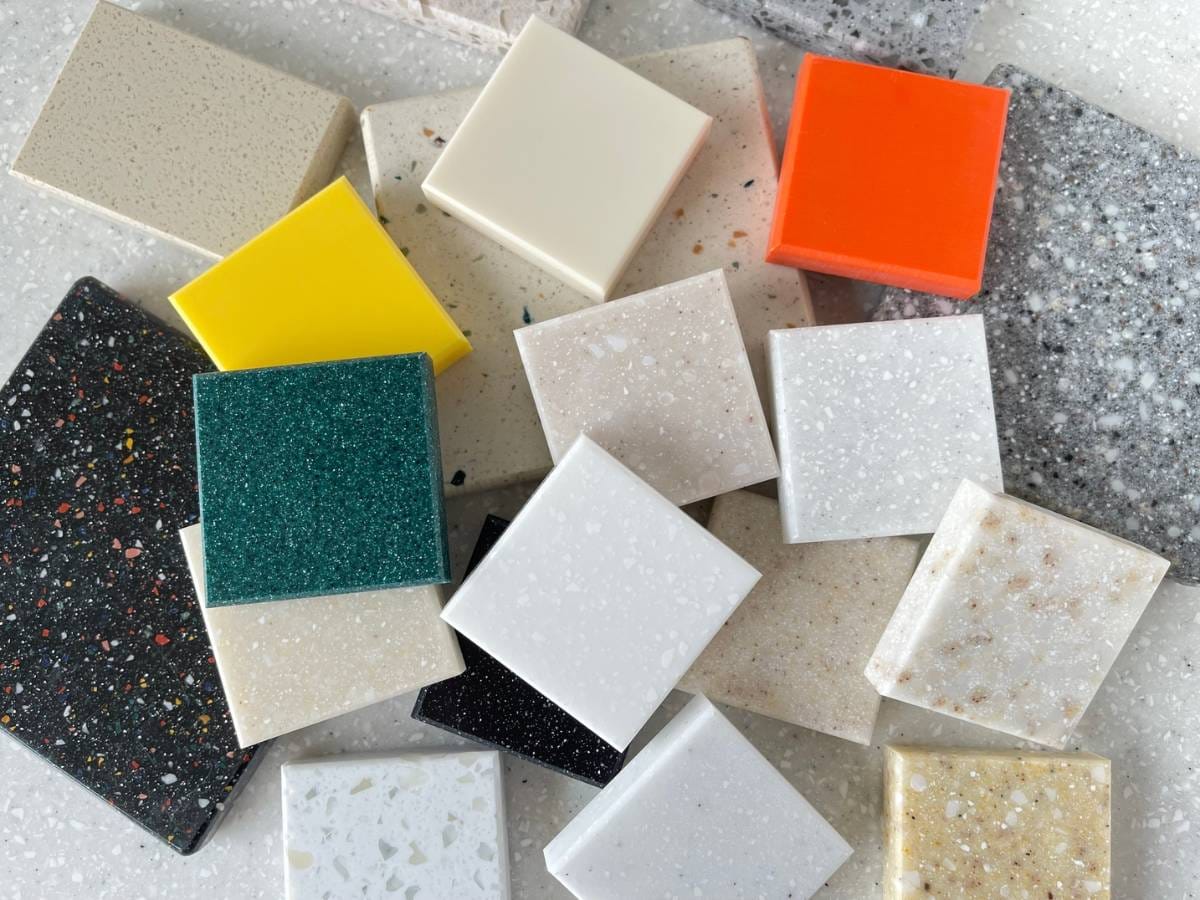
Solid surface countertops from KKR are made from a mix of acrylic, polyester resins, and natural minerals. This makes a seamless and flexible material. These countertops have a uniform look, which is great for many design styles. Solid surface materials can be fixed easily if damaged, so they stay beautiful and useful for a long time. Here are the details about this material:
Pricing: $50 to $150 per square foot
Strong Points
- Antimicrobial Properties: Solid surface materials often stop the growth of bacteria. This makes them a great choice for keeping kitchens and bathrooms clean.
- No Painting Required: Solid surface countertops are the same color all the way through, so they do not need painting or finishing. That’s when I realized that this makes them low-maintenance and they keep their color over time.
- Customizable: KKR solid surface materials can be printed with different designs or patterns. This allows for unique and personalized countertops that can match specific themes or brands.
Downside
- Color Fading: Over time, solid surface countertops can lose their color if exposed to direct sunlight. This can be a problem for countertops near big windows or in sunny areas.
- Scratch Susceptibility: Solid surface countertops are strong but can get scratched more easily than harder stones. Using cutting boards and keeping sharp objects off the surface can help avoid scratches.
- Chemical Sensitivity: Harsh chemicals and solvents can damage solid surface countertops. And on top of that, it’s important to use mild cleaners to keep them looking good and in good shape.
4. Marble
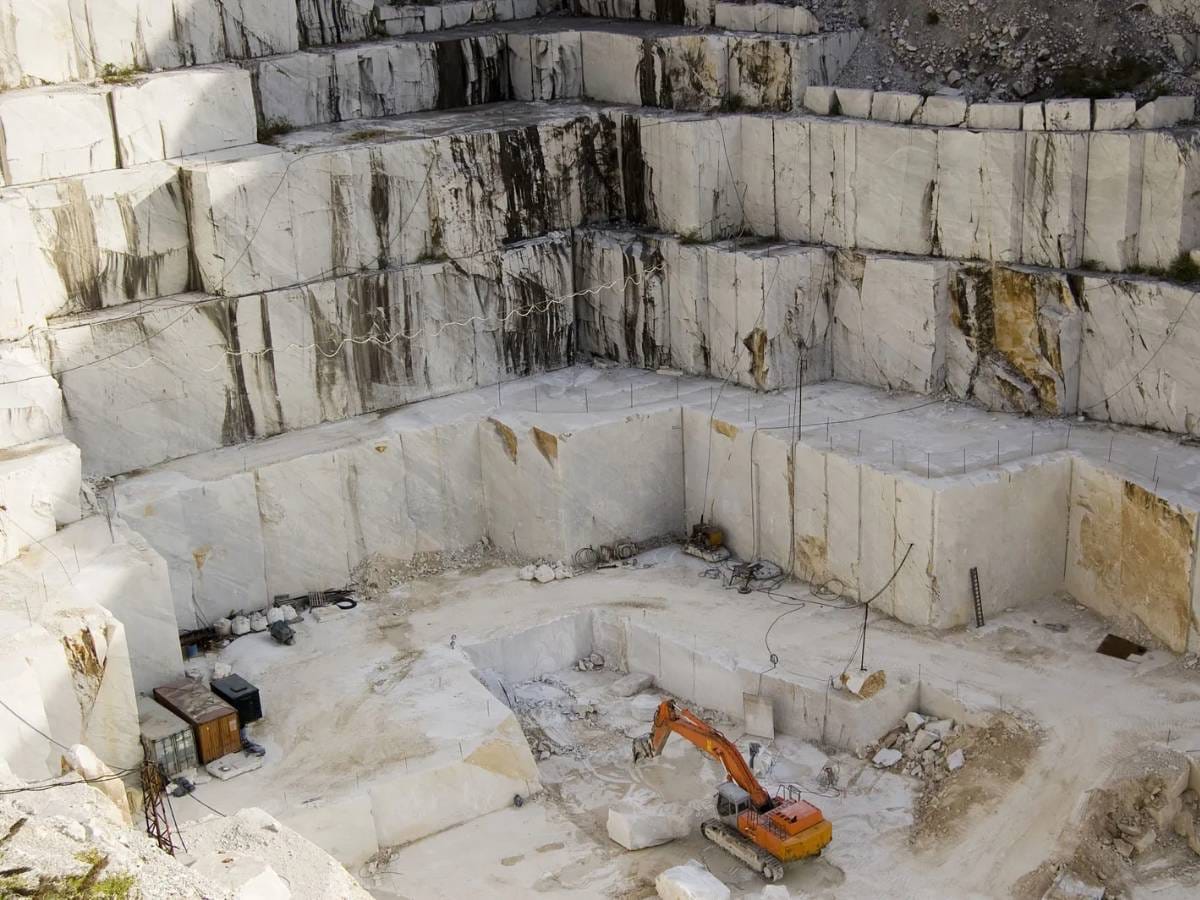
Marble is a natural stone known for its elegant and timeless beauty. It is often seen in high-end kitchens and bathrooms. Marble has unique veining and comes in many colors, making each piece special. It is also durable and can handle high temperatures, making it great for countertops. Here are the specific details to explore for this stone:
Pricing: $40 to $100 per square foot
Strong Points
- Luxurious Appearance: Marble countertops have a timeless and elegant look that makes any kitchen or bathroom look fancy. The unique veining patterns give it a sophisticated and distinctive style.
- Heat Resistance: Marble can handle high temperatures, making it perfect for kitchen use. For example, homeowners can place hot pots and pans directly on it without causing damage.
- Cool Surface: Marble stays cool to the touch, which is great for baking and cooking. The cool surface is ideal for working with dough and other ingredients that need a chilled environment.
Downsides
- Prone to Staining: Marble is porous, so it can easily absorb liquids and get stained. Spills from things like wine or citrus can leave permanent marks.
- Scratches Easily: Marble is softer than other countertop materials, so it can scratch easily. So what’s the problem? Daily use of knives and kitchen tools can leave noticeable marks on the surface.
- Expensive Installation: Installing marble countertops can be costly because it requires professional handling and precise fitting. This adds to the overall expense of choosing marble.
5. Soapstone
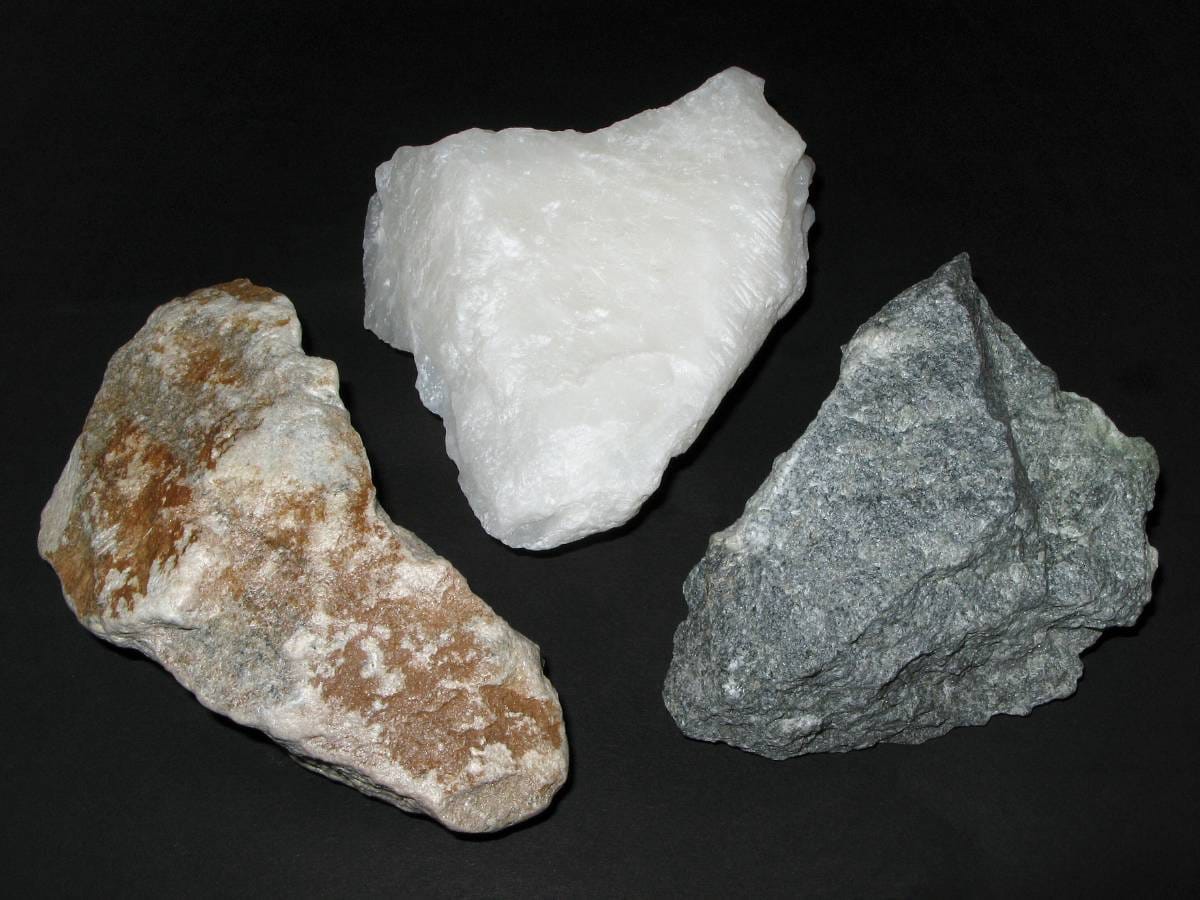
Soapstone is a natural stone known for its smooth texture and soap-like feel. It is mostly made of talc, giving it a soft touch and a warm, rustic look. Soapstone is very durable and resistant to heat, stains, and bacteria, making it perfect for kitchen countertops. Let’s have a detailed exploration of this stone further:
Pricing: $55 to $100 per square foot
Strong Points
- Stain Resistant: Soapstone is non-porous, so it doesn’t absorb liquids or stains. This makes it easy to clean and maintain, even in busy kitchens.
- Durable Surface: Soapstone is very durable and can handle daily use. Its resistance to scratches and chips ensures a long-lasting countertop.
- Antibacterial Properties: Soapstone naturally resists bacteria and germs, making it a hygienic choice for kitchens. Here’s why that’s important: this adds an extra layer of safety for food preparation areas.
Downsides
- Limited Color Options: Soapstone comes in only a few colors, usually shades of grey and green. This limits design choices compared to other stones with more color options.
- Softness: Because it has a lot of talc, soapstone is softer than other countertop materials. This makes it more likely to get dents and scratches with heavy use.
- Regular Oiling: To keep soapstone looking nice, it needs regular oiling. This can take time and might not be good for people who want low-maintenance countertops.
6. Quartzite
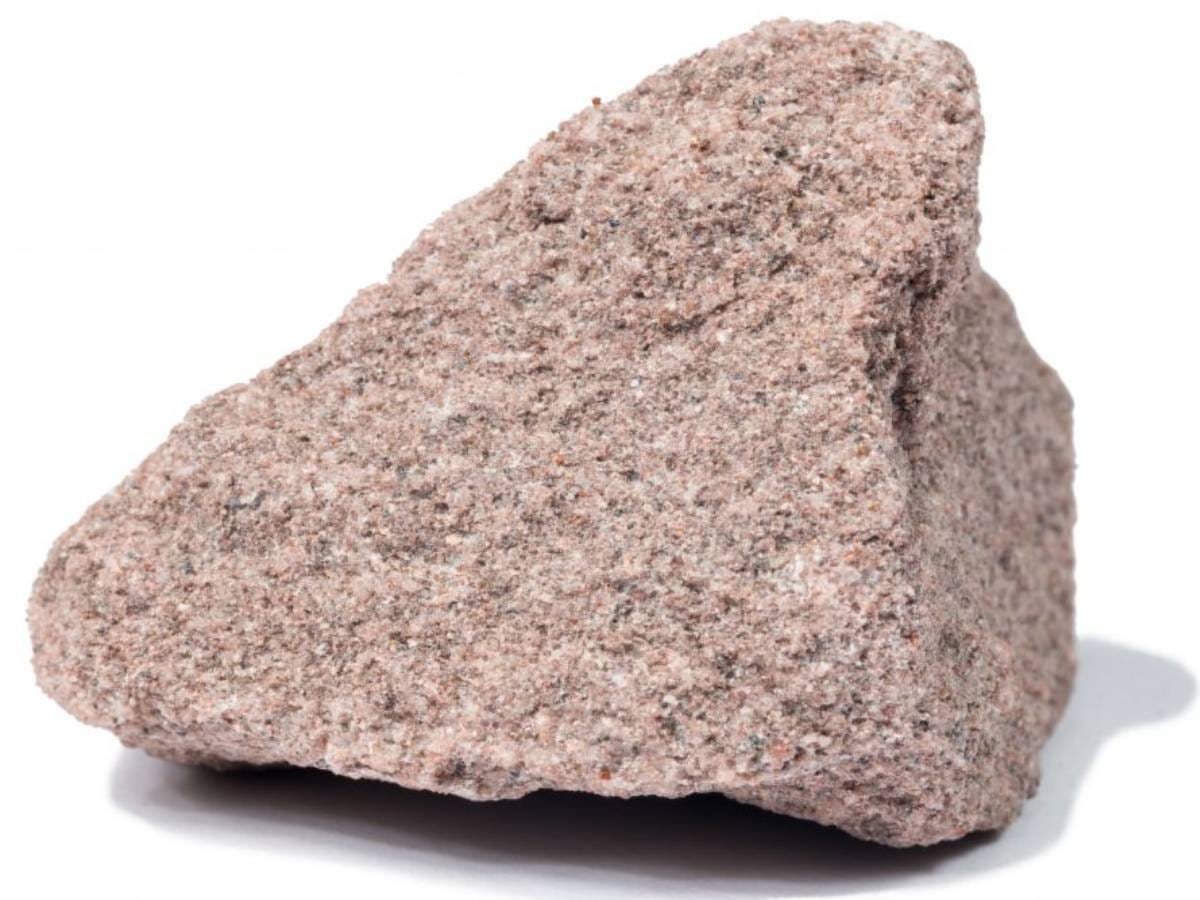
Quartzite is a natural stone that starts as sandstone and changes through heat and pressure. This rock is known for its strength and beautiful, marble-like look. Quartzite countertops are very durable and can handle a busy kitchen. Here are some details of quartzite worth covering:
Pricing: $50 to $110 per square foot
Strong Points
- High Durability: Quartzite is very hard and resistant to scratches, making it great for busy areas. This means it will last a long time with little damage.
- Aesthetic Variety: Quartzite comes in many colors and patterns that look like marble, giving a luxurious look with more strength. Each piece has unique veining, making it look custom-made.
- UV Resistance: Quartzite is resistant to UV rays, making it a good choice for outdoor kitchens or sunny areas. I finally understood that this keeps the stone from fading over time.
Downsides
- Sealing Needs: Quartzite is more resistant to stains than other stones but still needs regular sealing. Without sealing, it can absorb liquids and get stained.
- Limited Availability: Quartzite is not as common as other countertop materials. This can make it harder to find and more expensive.
- Complex Installation: Because quartzite is very hard, it can be difficult to install. Professional installation is needed, which can add to the overall cost.
7. Dekton
Dekton is made from a mix of materials used in glass, porcelain, and quartz surfaces, created through high-tech manufacturing. This ultra-compact surface is known for being very durable and resistant to heat and scratches, making it great for countertops. Dekton comes in many colors and finishes, offering lots of design choices. Here are the advantages and challenges it brought for the countertops:
Pricing: $80 to $150 per square foot
Strong Points
- Scratch Resistance: Dekton’s hard surface is highly resistant to scratches. And the best part is this can help maintain its pristine appearance even with daily use.
- Ease of Repair: Dekton is durable, but if it does get damaged, it can often be repaired more easily than some other materials. This can save money and make the countertops last longer.
- Suitable for Outside Use: Dekton is resistant to UV rays and weather changes, making it a good choice for outdoor kitchens and bar areas. It keeps its look and strength even when exposed to the elements.
Downsides
- Limited Fabricators: Not all fabricators work with Dekton, so finding someone to install it can be harder. This can make it more difficult to find experienced professionals.
- Cold Surface: Dekton can feel colder to the touch compared to other countertop materials. This might be less comfortable in colder climates or for those who prefer a warmer surface.
- Not Impact Proof: Even though Dekton is very hard, it can still crack or chip if heavy objects are dropped on it. This means it needs to be used carefully and any damage should be fixed right away.
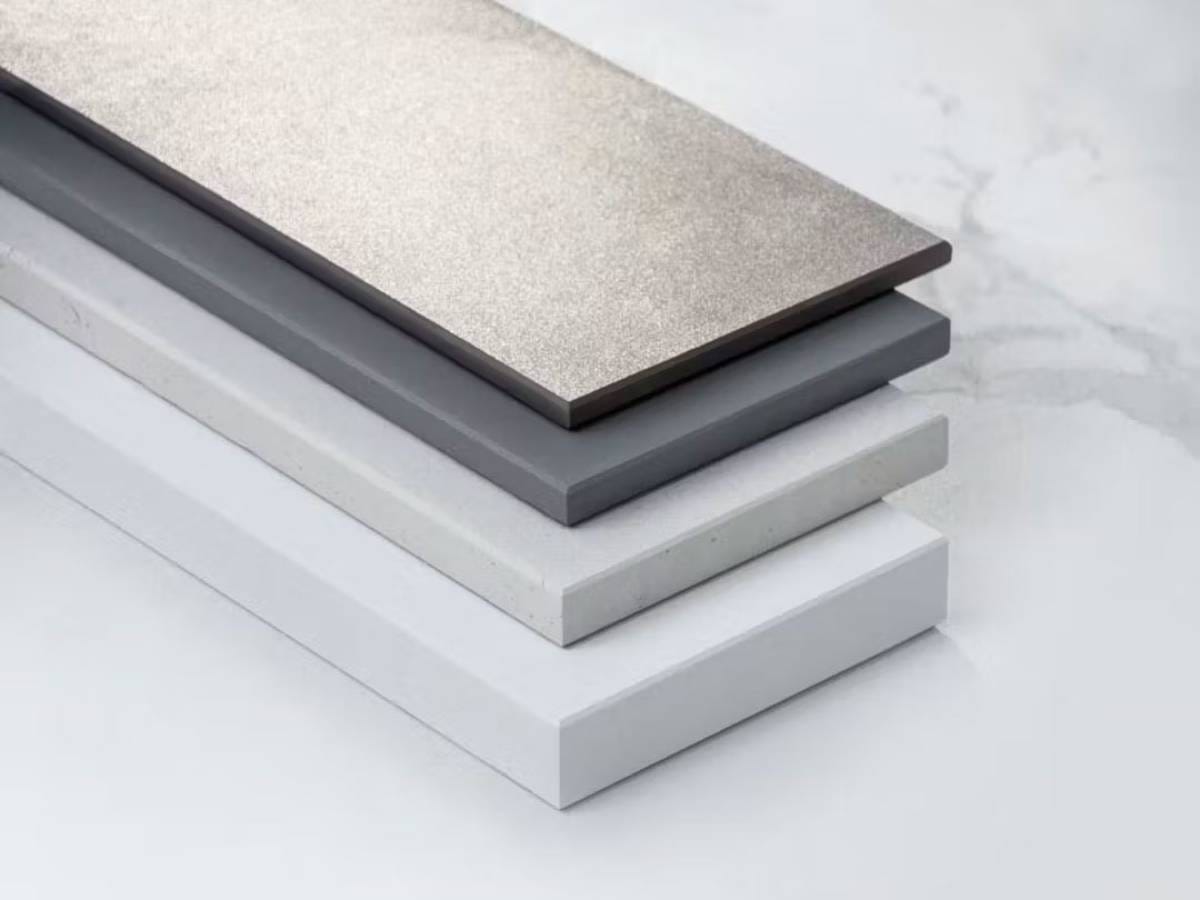
8. Porcelain
Porcelain countertops are made from a type of ceramic material that is heated at very high temperatures. This makes porcelain very hard and durable, as well as resistant to different types of damage. Porcelain surfaces come in many colors and finishes and can look like natural stones. Here are some important details about porcelain:
Pricing: $50 to $120 per square foot
Strong Points
- Lightweight: Porcelain is lighter than many other countertop materials, making it easier to handle and install. This can reduce installation costs and the need for extra support.
- Non-Porous Surface: Porcelain does not absorb liquids, making it highly resistant to stains and bacteria. This guarantees a hygienic surface that is easy to clean.
- Versatile Designs: Porcelain can be made to look like different materials, including marble, wood, and concrete. This gives a wide range of design options to fit any style.
- Chemical Resistance: Porcelain countertops are resistant to chemicals, including acids and alkalis. This makes them great for kitchens where spills and splashes happen often.
Downsides
- Prone to Chipping: Even though porcelain is hard, it can chip or crack if heavy objects are dropped on it. This can cause visible damage that might need professional repair.
- Limited Edge Styles: Porcelain countertops often have fewer options for edge styles compared to other materials. So what’s the catch? This can limit customization options for kitchen or bathroom designs.
- Installation Challenges: Installing porcelain can be tricky because it is brittle and hard. Professional installation is needed, which can increase the overall cost.

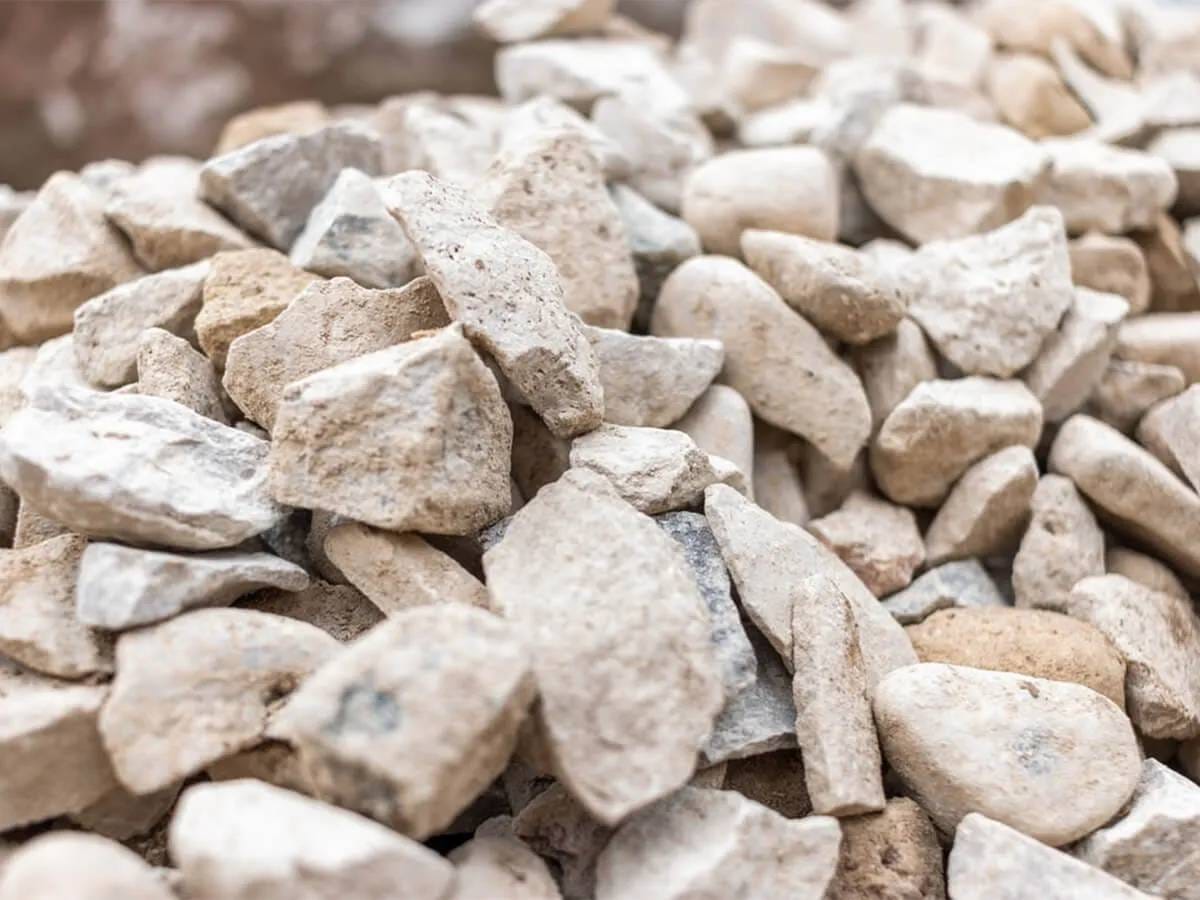
9. Limestone
Limestone is a sedimentary rock known for its soft, earthy look and unique texture. It has been used in buildings for centuries and now its market size is expected to grow at a CAGR of 7.3% from 2023 to 2030 reported by Grand View Research. Limestone countertops can create a timeless look in both kitchens and bathrooms. Here are some details about limestone:
Pricing: $70 to $150 per square foot
Strong Points
- Natural Warmth: Limestone has a warm, natural look that makes any space feel cozy. Its soft colors and textures create an inviting atmosphere.
- Aged Patina: Over time, limestone develops a beautiful patina that adds character. This aged look can give the countertops a unique and timeless charm. Amazing, isn’t it?
- Customizable Finish: Limestone can be finished in different ways, like honed, polished, or brushed. This versatility allows for achieving the exact look desired for any space.
- Eco-Friendly Choice: Limestone is a natural material that is easy to find and can be sourced locally. This helps reduce the environmental impact of transportation and manufacturing.
Downsides
- High Porosity: Limestone is very porous, which makes it prone to staining and absorbing water. Regular sealing is necessary to protect the surface from damage.
- Softness: Limestone is softer than other stones and can scratch or chip easily. This makes it less suitable for high-traffic areas where durability is important.
- Acid Sensitivity: Limestone reacts badly to acidic substances like lemon juice and vinegar, which can cause etching. This requires careful maintenance and immediate cleanup of spills.
10. Recycled Glass
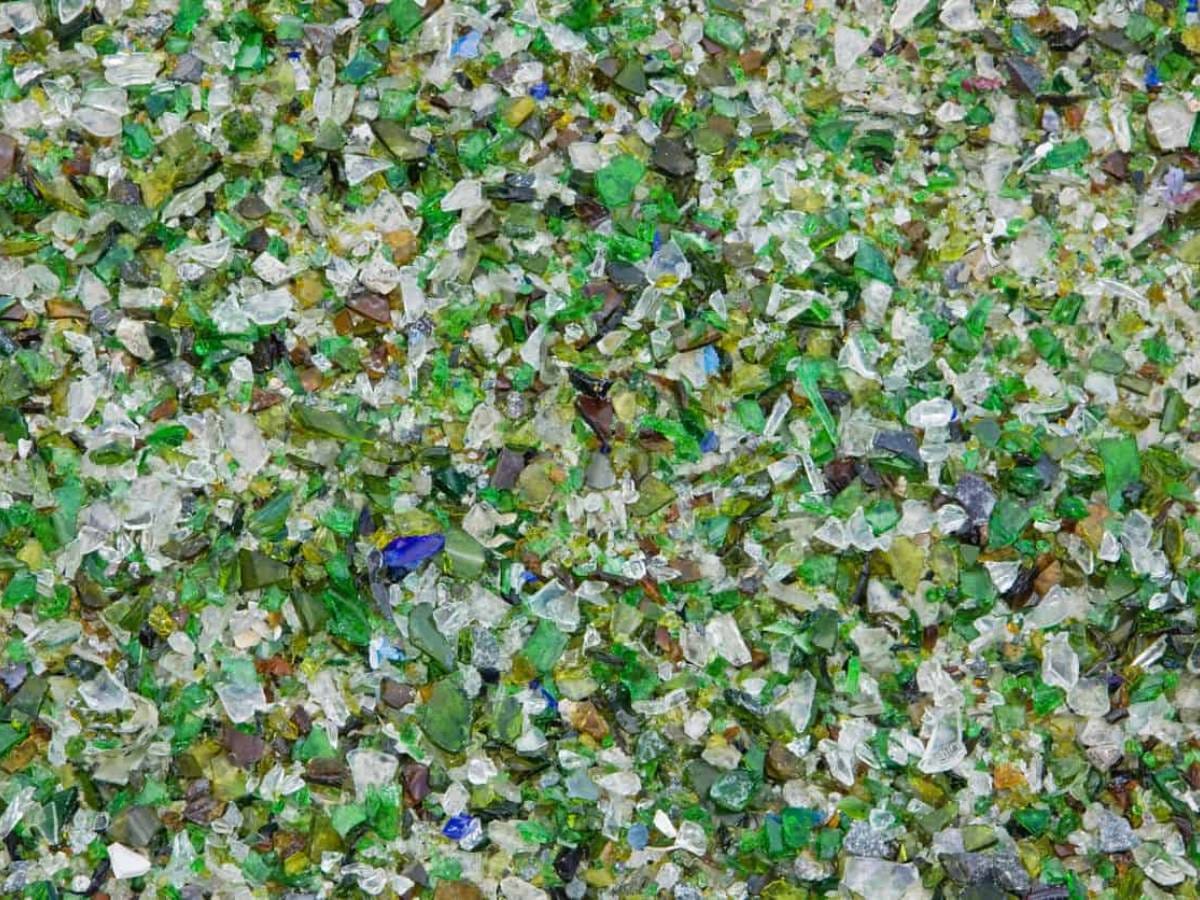
Recycled glass countertops are made from recycled glass pieces mixed with resin or cement. This eco-friendly option provides a unique and colorful look, with pieces of glass creating a beautiful mosaic effect. These countertops are not only attractive but also help the environment by reusing waste materials. Here are some details about recycled glass:
Pricing: $60 and $250 per square foot
Strong Points
- Unique Appearance: Each recycled glass countertop is one-of-a-kind, with various colors and patterns. Here’s the thing: the glass pieces create a special mosaic effect that can be a focal point in any space.
- No Protective Layer: Recycled glass countertops do not need a protective layer, so there’s no need for periodic resealing. This reduces maintenance efforts and costs over time.
- No Surface Polishing: These countertops keep their finish without regular polishing. This makes them easy to care for, keeping their shine with minimal effort.
Downsides
- Color Fading: Over time, exposure to direct sunlight can cause some recycled glass countertops to fade. This may affect how the countertops look, especially in bright areas.
- Limited Supply: The availability of recycled glass countertops can be limited, depending on the supplier and demand. This can make it harder to find and more expensive.
- Expensive Repair: If a recycled glass countertop gets damaged, repairs can be costly because of the special materials and skills needed. This could lead to higher maintenance costs if the surface is chipped or cracked.
Conclusion
Choosing the right stone for countertops can significantly enhance the functionality and appeal of any commercial space. Each stone type offers unique benefits, ensuring durability and a premium look for your projects. Understanding the best stones helps you make informed decisions for your construction or renovation needs.
This article guides businesses in selecting top-quality stones for their countertops. At KKR, we specialize in providing high-quality materials customized to commercial needs. For more information about our products and services, contact us today and find out how we can help with your next project.
Recommended Reading
Looking for more diverse product options? Browse through our handpicked selections:
For some insightful reads, we’ve curated a list of recommended articles just for you:
Still haven’t found what you’re looking for? Don’t hesitate to contact us. We’re available around the clock to assist you.