







Does solid surface scratch easily? No, it doesn’t. Solid surfaces are designed to be durable and resistant to scratches, making them an excellent choice for high-traffic areas.
As a solid surface expert, I often encounter questions about the durability and maintenance of these materials.
Do not worry, because if it has minor scratches, it can be easily repaired.
In this article, we will explore the factors that contribute to the scratch resistance of solid surfaces and provide tips on how to maintain their good condition.
So let’s get down to it!
1. Common Causes of Scratches on Solid Surface
Despite their durability, solid surfaces can still get scratched under certain conditions. Understanding these causes can help you better protect your investment. Here are the common causes:
Improper Cleaning Techniques
Using abrasive cleaning tools can cause scratches on solid surfaces. Harsh scrubbing pads and gritty cleaners can damage the surface, creating ugly marks. It’s important to use soft cloths and non-abrasive cleaners to keep the surface looking good. Always follow the manufacturer’s cleaning recommendations to avoid damage and maintain the surface’s professional look.
Heavy or Sharp Objects
Dragging heavy or sharp objects across solid surfaces can cause big scratches. This is common in places like commercial kitchens or workshops where tools and equipment are often moved. Placing protective pads or mats under heavy items can help prevent scratches. So what’s my point? Prevention is key to maintaining a scratch-free surface and extending its lifespan.
Here’s a table explaining the importance of preventive measures to protect solid surfaces from scratches, especially in high-activity environments:
| Feature | Description | Benefit |
| Use of Protective Pads/Mats | Placing pads or mats under heavy or sharp objects to create a barrier between the object and the surface. | Minimizes direct contact and reduces the risk of surface scratches. |
| Environmental Considerations | Awareness of how certain environments, like commercial kitchens or workshops, increase scratch risks. | Focuses preventive measures where they are needed most, enhancing durability. |
| Durability of Surfaces | Ensuring surfaces are designed to withstand the rigors of the environment they are used in. | Maintains the aesthetic and functional integrity of surfaces over time. |
| Maintenance and Care Tips | Providing guidelines on how to care for and maintain surfaces to avoid damage. | Empowers users to take proactive steps in preserving surface quality. |
| Cost-Effectiveness | Preventive measures can be more cost-effective than repairing or replacing damaged surfaces. | Saves money in the long term by avoiding costly repairs or replacements. |
Everyday Wear and Tear
Regular use can lead to minor scratches over time, especially in high-traffic areas. For example, frequent contact with tools, equipment, or other materials can leave marks on the surface. While solid surfaces are resilient, they are not immune to the daily wear and tear that can accumulate in a business environment. Periodic professional polishing can restore the surface’s smooth finish, maintaining its professional appearance.
4. Factors Influencing Scratch Resistance
The scratch resistance of solid surfaces depends on several key factors. Understanding these can help you choose the best materials for your projects. Here are the main factors:
Material Composition
The composition of the solid surface material plays a crucial role in its scratch resistance. Higher-quality materials often include a blend of acrylic and natural minerals that enhance durability. Selecting a solid surface with a strong composition can significantly reduce the likelihood of scratches. The right blend achieves a long-lasting, resilient surface suitable for demanding environments.
Surface Finish
The finish applied to the solid surface affects its ability to resist scratches. Matte finishes tend to show scratches less than glossy ones. However, glossy finishes can be more scratch-resistant if they are treated with special coatings. Here’s the interesting part: choosing the appropriate finish based on the use-case scenario can help maintain the surface’s appearance.
Usage Environment
The environment where the solid surface is used can affect its scratch resistance. High-traffic areas or places with heavy use, like commercial kitchen countertops, are more likely to get scratched. Assessing the usage environment before choosing a solid surface material can help you pick one that will last longer and perform better. This proactive approach makes better performance and longevity.
Maintenance Practices
Regular and proper maintenance is essential to preserve the scratch resistance of solid surfaces. For instance, using non-abrasive cleaners and following recommended cleaning protocols can prevent unnecessary wear. KKR suggests that maintaining these practices can extend the lifespan of the surface, keeping it looking new and professional. Consistent maintenance reduces long-term costs and maintains the surface’s integrity.
5. Preventive Measures to Avoid Scratches
To maintain the good condition of solid surfaces, taking preventive measures is crucial. Here are the key strategies to avoid scratches:
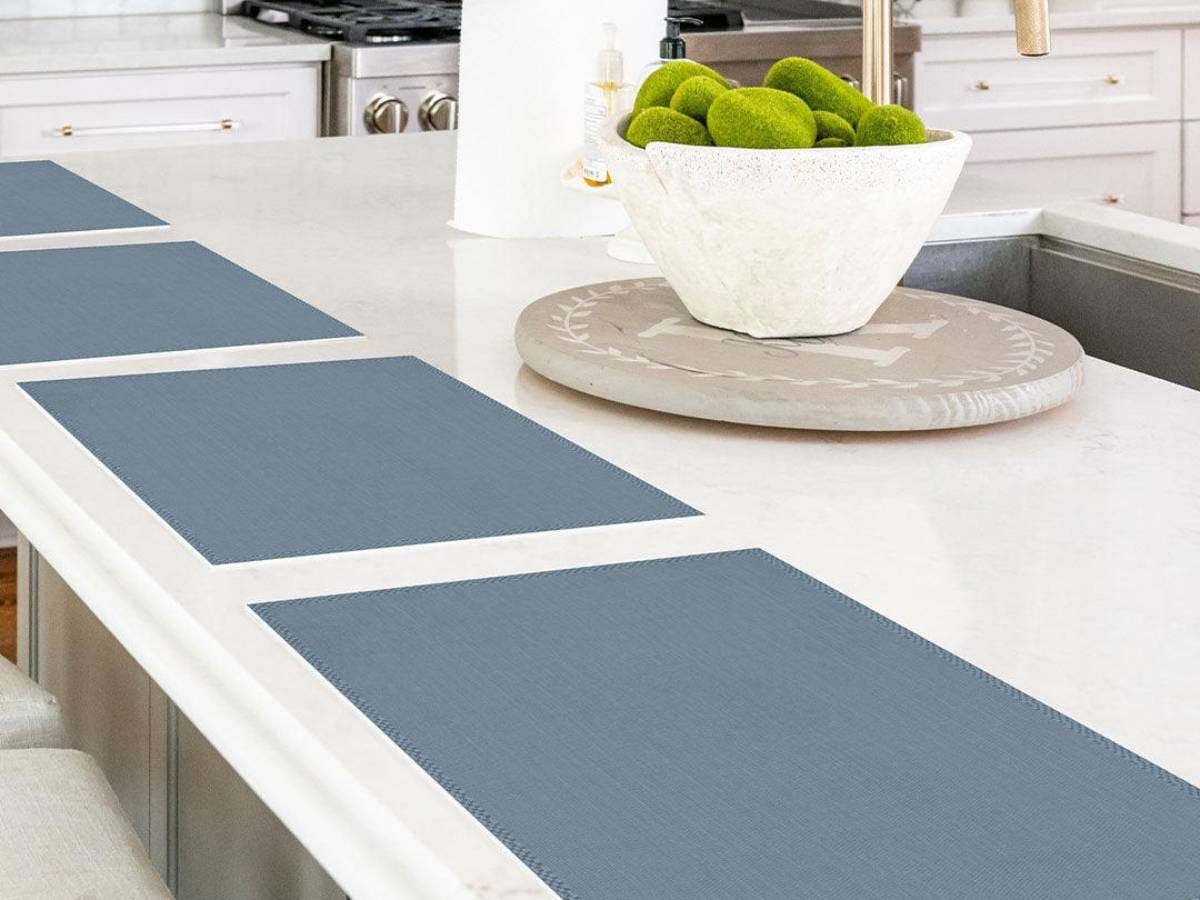
Use Protective Pads and Mats
Placing protective pads or mats under heavy equipment and sharp objects can prevent scratches. This is especially important in commercial environments where tools and appliances are frequently moved. Using these simple protective measures can significantly extend the lifespan of your solid surfaces.
Implement Proper Cleaning Techniques
Proper cleaning techniques are essential to prevent scratches on solid surfaces. Use soft cloths and non-abrasive cleaners to avoid damaging the surface. Regularly following the manufacturer’s cleaning guidelines helps keep the surface looking good and lasting longer. By adopting these techniques, you can guarantee a scratch-free surface.

Regular Maintenance and Polishing
Scheduling regular maintenance and professional polishing can help keep solid surfaces smooth. This is especially useful in high-traffic areas where surfaces wear down quickly. Consistent maintenance keeps the surface looking good and reduces long-term repair costs. As a matter of fact, investing in regular care pays off in the long run.

Educate Staff and Users
Educating staff and users on how to care for solid surfaces is important. Training them on the do’s and don’ts can greatly reduce accidental scratches. When everyone knows how to handle the surfaces properly, the risk of damage goes down. Keeping everyone informed helps maintain the quality of your surfaces.
6. Techniques for Repairing Scratches on Solid Surfaces
Even with preventive measures, scratches on solid surfaces can occur. Knowing how to repair them can help maintain their appearance and functionality. Here are the techniques:
Light Scratch Repair
For light scratches, sanding the affected area with fine-grit sandpaper can be effective. Start with a higher grit and gradually move to a finer grit to smooth out the surface. Always sand in a circular motion and clean the area thoroughly after sanding. This method restores the surface without causing further damage. A final polish can enhance the smoothness and finish of the repaired area.
Deep Scratch Repair
Deep scratches require more intensive repair. Use a solid surface repair kit, which typically includes a filler material that matches the surface color. Apply the filler to the scratch, let it cure, and then sand it down to blend with the surrounding area. Make sure the filler is fully cured before sanding to avoid any unevenness. This technique restores the surface’s integrity and appearance, making deep scratches less noticeable.
Professional Refinishing
For extensive damage or multiple scratches, professional refinishing might be necessary. This process involves sanding down the entire surface and reapplying a finish to restore its original look. I guess you might wonder if it’s worth it. The answer is yes; professional refinishing can extend the life of surfaces and keep them looking brand new.
7. 3 Maintenance Tips and Long-Term Care
Proper upkeep and long-term care are essential for preserving the quality and appearance of solid surfaces. Here are some practical tips to make your surfaces remain in top condition:
#1 Regular Cleaning
Regular cleaning is the first step to maintaining your solid surfaces. Use a mild detergent and a soft cloth to clean daily, avoiding abrasive cleaners that can cause scratches. Always rinse well to remove any soap residue that could dull the surface. Consistent cleaning prevents grime buildup and keeps your surfaces looking pristine. This routine helps maintain a professional appearance in any setting.
#2 Immediate Spill Management
Addressing spills immediately is crucial to prevent stains. Wipe up any spills as soon as they occur using a damp cloth and a gentle cleaner. Quick action prevents liquids from penetrating the surface and causing damage. At KKR, this simple practice helps maintain the surface’s aesthetic and prolongs its life. And the best part is, it reduces the risk of long-term discoloration.
#3 Avoiding Excessive Heat
Solid surfaces can be sensitive to extreme temperatures. According to The Spruce, they can withstand boiling water at 212°F but may deform at temperatures around 250°F. Always use trivets or heat pads for hot items to prevent heat damage. Protecting the surface from heat prevents discoloration and cracking, achieving durability and visual appeal. This practice helps preserve the structural integrity of the surfaces over time.
Conclusion
Choosing a durable and scratch-resistant material is crucial for any commercial setting. Solid surfaces offer great scratch resistance and longevity. They are designed for high-traffic areas, making them ideal for various uses. At KKR, we offer a wide range of customizable solutions to meet your specific needs, achieving both functionality and aesthetics.
This article has highlighted the importance of understanding and maintaining solid surfaces. By using the right care techniques, you can make your investment last longer. Explore KKR product range and see how we can improve your business environment. Contact us today!
Recommended Reading
Looking for more diverse product options? Browse through our handpicked selections:
Still haven’t found what you’re looking for? Don’t hesitate to contact us. We’re available around the clock to assist you.