






What materials can be used for solid surface sheets? The answer lies in a mix of natural minerals and resins.
As an expert in solid surface sheet material manufacturing, I often get questions about the components that make up these versatile surfaces.
Do not worry, understanding the basics is simpler than it seems.
In this guide, we will learn about the key materials used in solid surface sheets, focusing on their properties and benefits. This knowledge will help you make informed decisions for your projects.
So let’s get started!
1. What is Solid Surface Sheet Material?
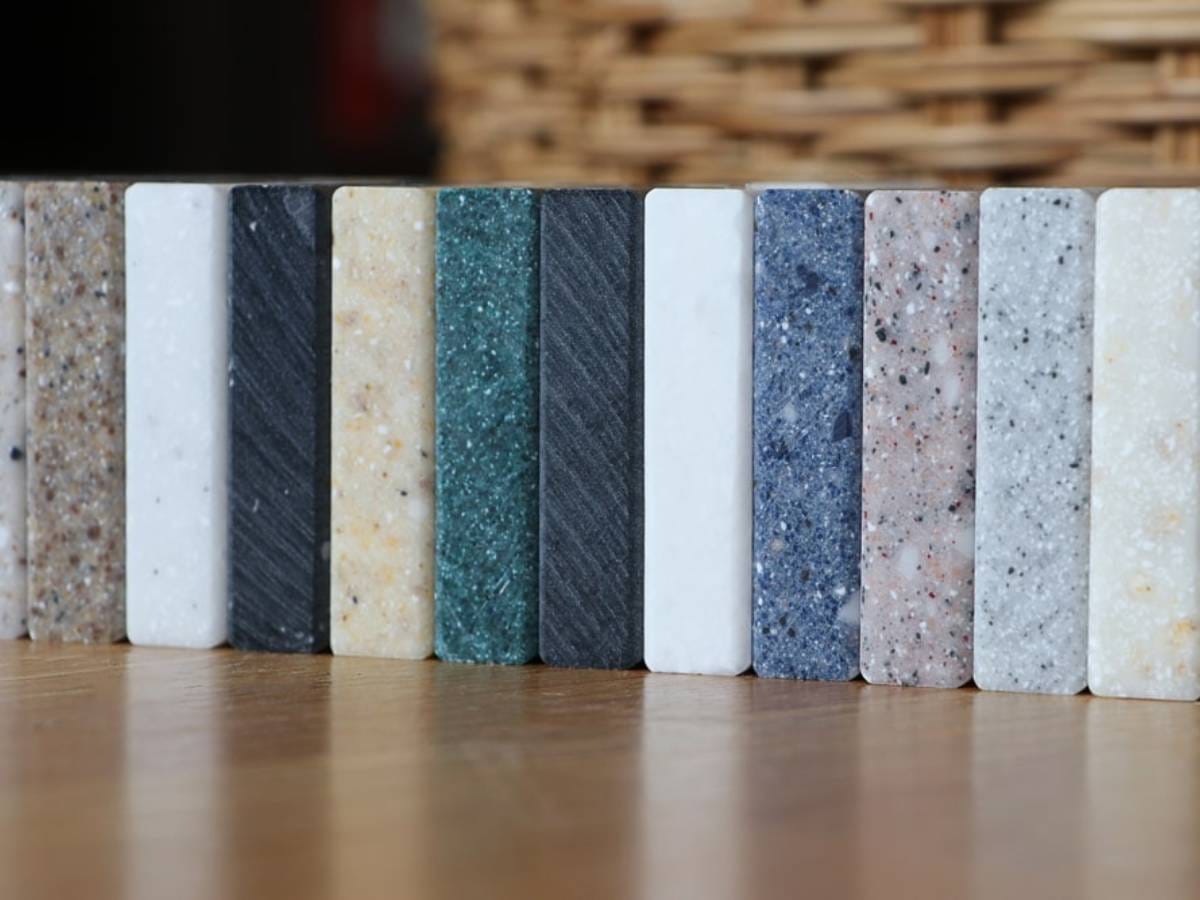
Solid surface sheet material is a man-made product crafted from a blend of acrylic, polyester resins, and natural minerals. It looks like stone but is easier to work with and more versatile. I always find it incredible how this material can seamlessly blend beauty and practicality.
According to Data Bridge, the market for these surfaces is robust and is projected to reach USD 3.78 billion by 2030, growing at a CAGR of 3.55% during the forecast period. This growth highlights the increasing demand for quality materials that offer durability and deliver both functionality and visual appeal. This makes it a smart investment for various applications.
2. Advantages of Solid Surface Sheet Material
Solid surface sheet material offers numerous benefits that make it an excellent choice for various applications. From durability to aesthetics, these sheets provide a range of advantages. Here are some of the key benefits:
Scratch and Stain-Resistant
They are made from a combination of natural minerals and high-performance resins, which provide a tough and durable surface that resists scratches, making them ideal for high-traffic areas. These surfaces, like those offered by KKR, maintain their great appearance for years, even with constant use, thanks to their durability.
Seamless Appearance
I find that one of their standout features is the ability to create seamless joins. The joints are bonded using a color-coordinated adhesive, making the seams virtually invisible. This also prevents dirt and grime from accumulating, contributing to a smooth, uniform look that enhances the overall aesthetic
Low Maintenance
These sheets are low-maintenance and easy to care for. Regular cleaning with mild soap and water keeps them looking new. This ease of maintenance saves time and effort, making it a practical option for busy spaces.
Easily Repaired
Minor dents can be buffed out and stains can be easily removed with simple cleaning methods, restoring the surface’s appearance. For example, a Scotch-Brite pad can smooth out minor dents. This feature extends the lifespan of the material and keeps it looking pristine.
Design Flexibility
They can be thermoformed into various shapes, providing significant design flexibility. This capability allows for innovative and custom designs in both residential and commercial settings. Architects and designers appreciate this material for its adaptability.

3. Materials Used in Solid Surface Sheets
Solid surface sheets are made from a combination of materials that give them their unique properties and benefits. These materials work together to create a durable, versatile, and attractive surface option. Here are the key materials used in solid surface sheets:
- Acrylic: This is a primary component that provides excellent durability and a smooth, non-porous surface. I can attest that this material is easy to work with, allowing for seamless joins and custom shapes.
- Polyester Resins: Another key ingredient that adds strength and flexibility to these surfaces. It contributes to the material’s resistance to impacts and its ability to be thermoformed into various shapes.
- Natural Minerals: These minerals, such as alumina trihydrate, enhance the durability and heat resistance of these surfaces. They are mixed with acrylic and polyester resins, giving the sheets a more natural stone-like appearance and adding to their aesthetic appeal.
- Pigments: These are added to the mix to provide a wide range of colors and patterns, allowing for customization and creativity in design. The pigments guarantee that these sheets can match any decor or style, making them a versatile option for various projects.
4. Applications of Solid Surface Sheet Material
Solid surface sheet material is incredibly versatile and finds use in a variety of settings due to its durability and aesthetic appeal. Here are some common applications:
Kitchen Countertops
These sheets are a popular choice for kitchen countertops because they provide a seamless, hygienic surface that is easy to clean and maintain like those from KKR. The material’s durability allows it to withstand the daily wear and tear of a busy kitchen. Homeowners and designers appreciate the wide range of colors and patterns available.

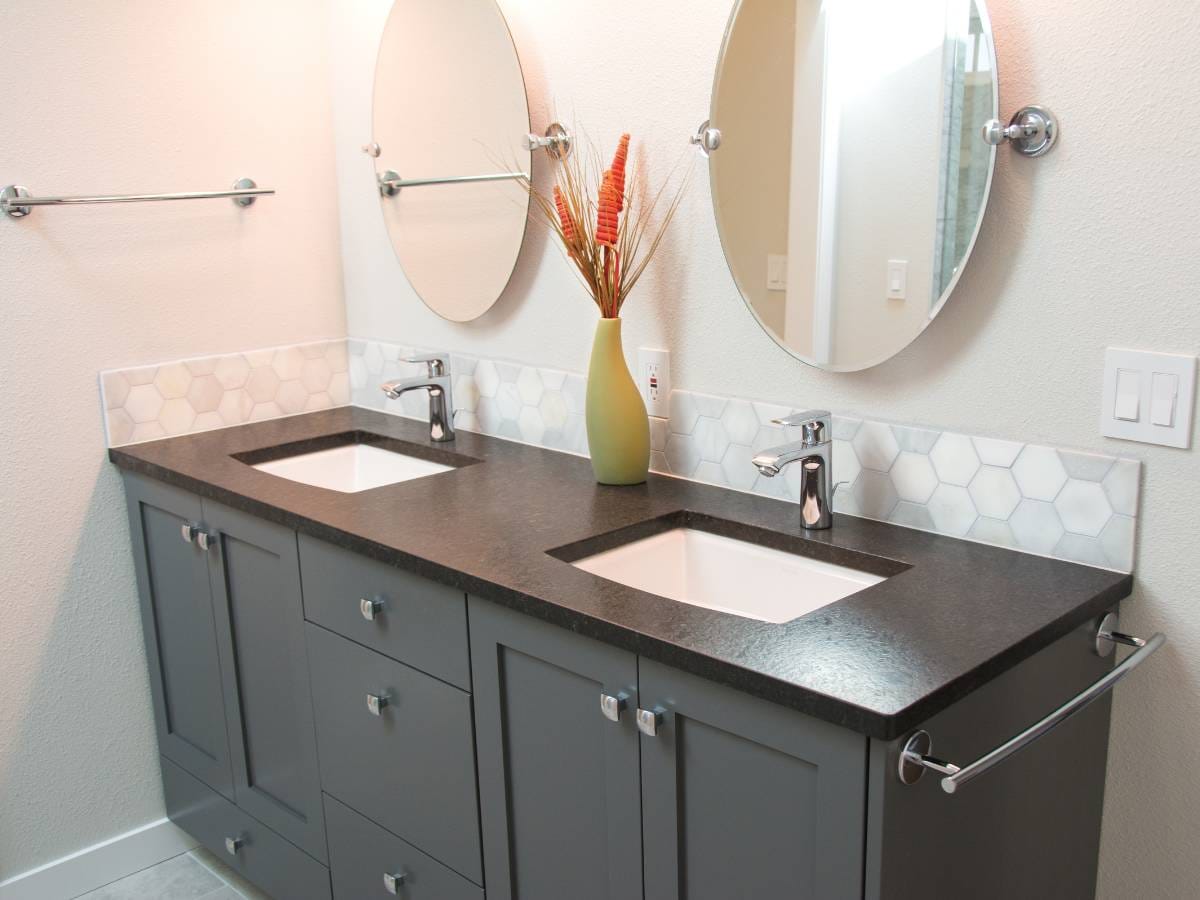
Bathroom Vanities
In bathrooms, these materials are utilized for vanities and sinks. Their non-porous nature makes them resistant to mold and mildew, maintaining a clean and healthy environment. The ability to create integrated sinks and backsplashes enhances their appeal.
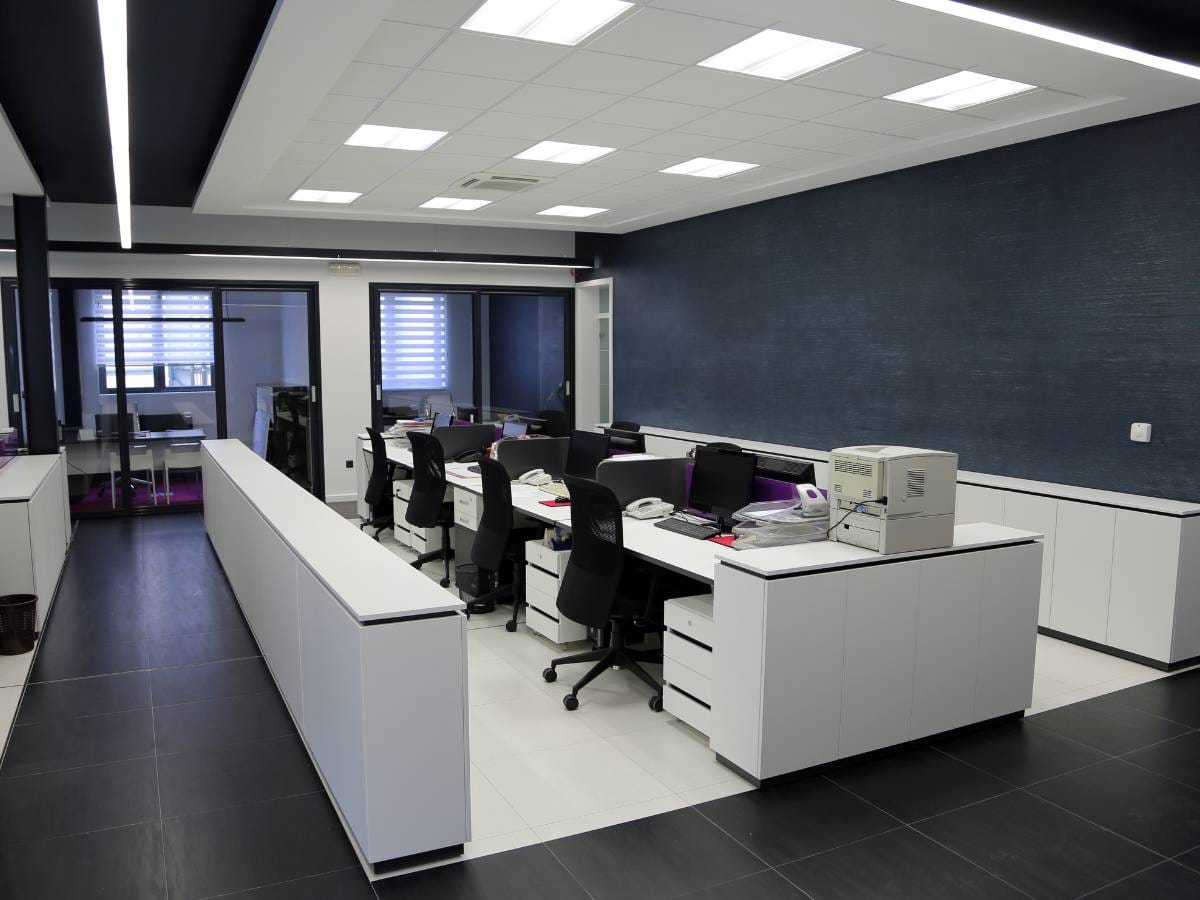
Office Furniture and Decor
In commercial settings, they are used for reception desks, wall cladding, and workstations. The material’s ability to be shaped into various forms allows for innovative and custom designs. Its durability and easy maintenance make it ideal for high-traffic areas.
Tabletops and Desks
They can also be used in furniture design, such as tabletops and desks. Their ability to be molded into various shapes allows for unique and functional pieces. In my experience, the material’s easy maintenance makes it practical for everyday use.

5. 4 Long-Term Care Tips for Solid Surface Sheets
Proper care keeps solid surface sheets to maintain their durability and aesthetic appeal over time. Here are some essential tips to keep these surfaces looking their best:
#1 Avoid Direct Sunlight
Prolonged exposure to direct sunlight can cause discoloration of the surfaces. To minimize this risk, consider installing blinds or shades to reduce direct sunlight. Additionally, use curtains to block sunlight or position the sheets away from windows.
#2 Inspect Seams Regularly
Regularly check seams for any signs of separation or damage. Upon noticing any issues, contact a professional for repairs to prevent further damage. I recommend checking the seams during routine cleaning and scheduling an annual inspection with a fabricator.
Here’s a table outlining the benefits and practices related to regular seam inspection for materials like countertops or flooring:
| Feature | Description | Benefit |
| Routine Cleaning Checks | Incorporating seam checks into regular cleaning routines ensures consistent monitoring. | Utilizes routine activities to keep track of seam condition without extra effort. |
| Professional Inspections | Annual inspections by a fabricator or specialist to assess and maintain seam integrity. | Provides professional assessment to ensure all seams are in optimal condition. |
| Immediate Repair Response | Prompt response to any detected issues by contacting professionals for repair. | Prevents further degradation of the material, maintaining its strength and aesthetics. |
| Preventative Measures | Implementing maintenance and repair strategies based on inspection findings. | Extends the life of the material and ensures a safe and functional environment. |
#3 Avoid Impact Damage
These sheets can crack under heavy impact. Be cautious when placing heavy objects and avoid dropping items onto the surface. Gently set down heavy tools or appliances and use cushioned mats in high-impact areas.
#4 Periodic Deep Cleaning
Perform a deep cleaning periodically to maintain the sheet’s appearance. Use a recommended deep-cleaning product and follow the manufacturer’s instructions. For example, use a specialized solid surface cleaner once a month or employ a professional cleaning service for thorough maintenance.
Conclusion
Selecting the right materials for solid surface sheets is essential for achieving the best results. At KKR, we offer high-quality solid surface sheets made from acrylic, polyester resins, and natural minerals. Our products are designed to provide durability and a seamless finish for any project.
In conclusion, this guide has helped you understand the materials used in solid surface sheets and their benefits. Knowing these details allows you to make informed choices for your projects. For top-quality solid surface products, contact us at KKR and let us assist you in finding the perfect fit for your needs.
Recommended Reading
Looking for more diverse product options? Browse through our handpicked selections:
Still haven’t found what you’re looking for? Don’t hesitate to contact us. We’re available around the clock to assist you.