






Are you wondering which material is best for your business? Choosing the right material can impact your profits and customer satisfaction.
As an expert in surface materials, I’ve helped numerous businesses make informed decisions on their countertop materials, ensuring they get the best results for their specific needs.
Solid surface is known for its seamless appearance, natural stone boasts unique beauty, and engineered stone offers a blend of durability and style.
In this guide, you’ll learn the distinct characteristics of each material, their application and uses, and how to choose the best one for your business needs.
Keep reading to learn more!
1. Brief Overview of Countertop Materials
Countertops are the surfaces we use every day in our kitchens and bathrooms. They come in many different materials, each with its own strengths. These materials are chosen based on factors like durability, maintenance, and appearance. The right choice can make your space both functional and beautiful.
According to Grand View Research, the global countertops market size was valued at USD 131.50 billion in 2022. This growth highlights the importance of selecting the right countertop materials for your needs. Some materials are more durable and easier to maintain, while others offer a unique aesthetic appeal. It’s crucial to balance function and style to find the perfect fit for your needs.
2. Solid Surface
Solid surface countertops are a popular choice for many businesses due to their seamless appearance and versatility. Made from a blend of polyester and acrylic resins, these surfaces are both durable and easy to maintain. Here are some key details about solid surface materials:
Types of Solid Surface
- Acrylic Solid Surface: Acrylic solid surfaces are highly durable and resistant to stains. At KKR, we offer acrylic options that can be seamlessly repaired if damaged, making them a long-lasting choice.
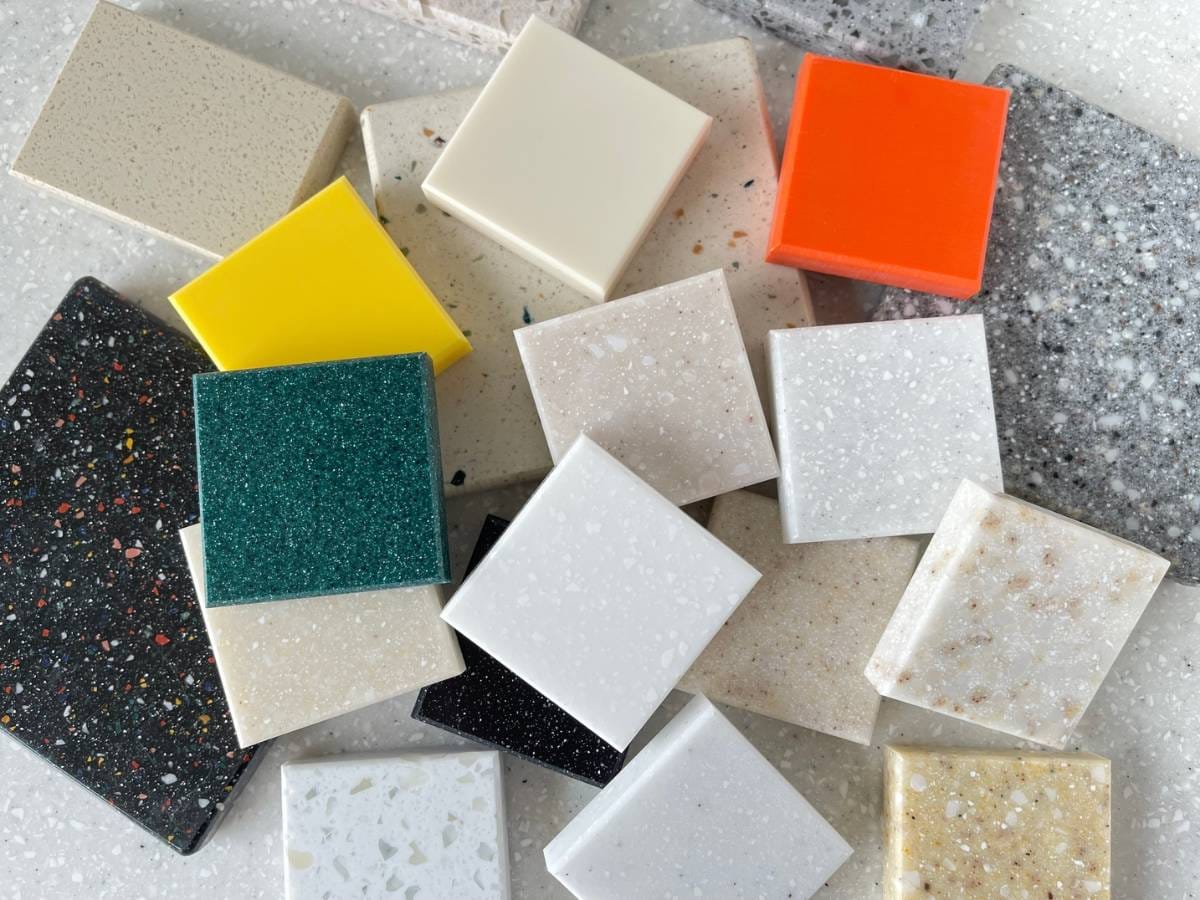
- Polyester Solid Surface:Polyester solid surfaces tend to be more affordable and offer a high-gloss finish. However, they are less flexible and more prone to cracking compared to acrylic.
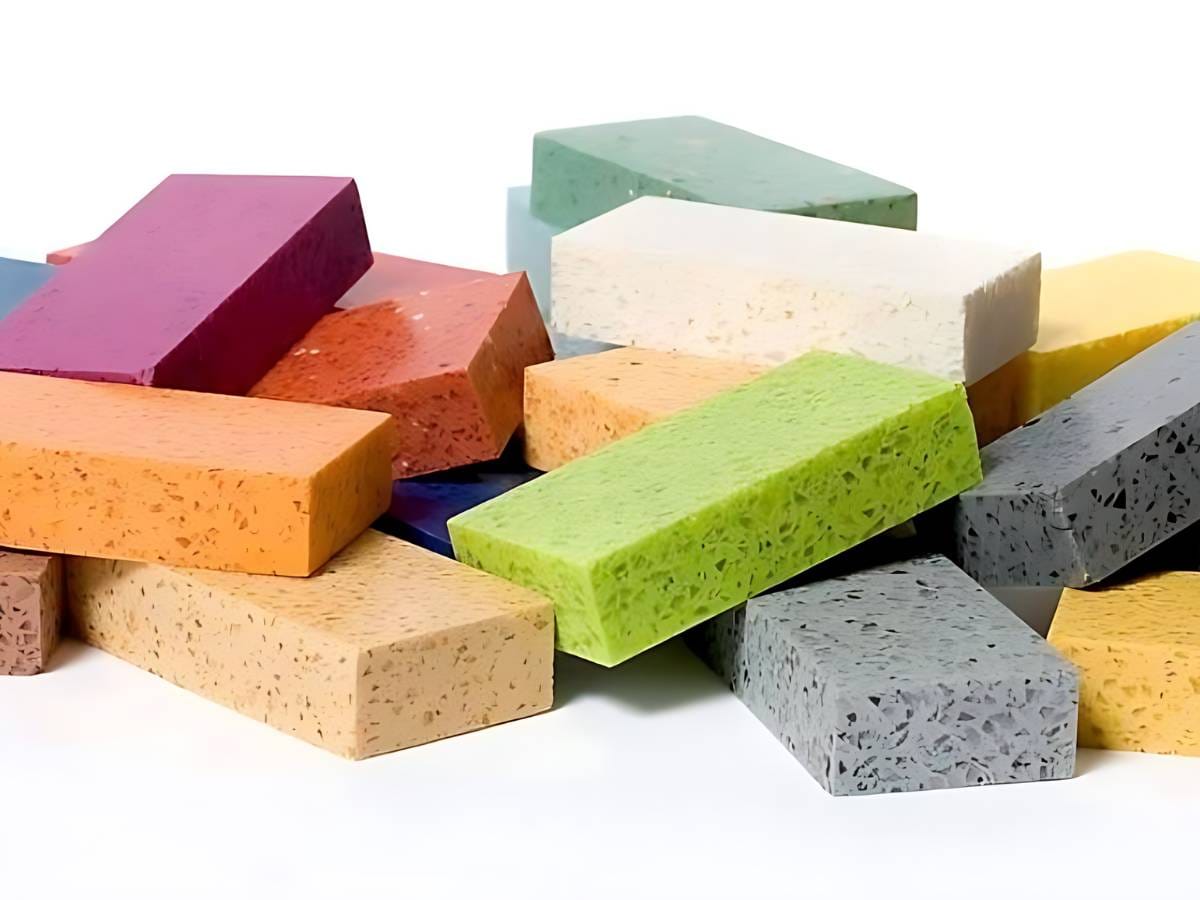
- Acrylic-Polyester Blend:Combines the benefits of both acrylic and polyester, offering a balance of durability and cost-effectiveness.
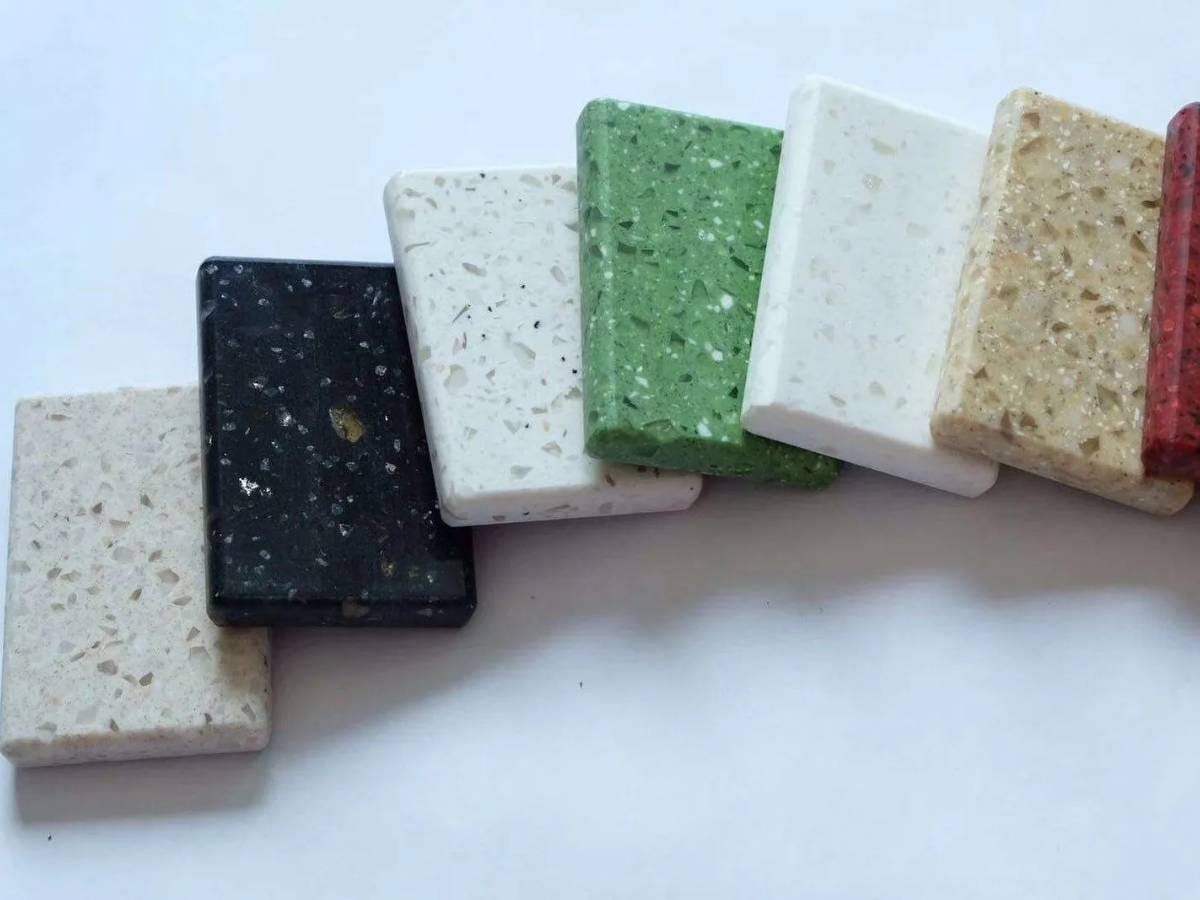
Key Features of Solid Surface
- Seamless Appearance: Solid surfaces join without visible seams, creating a smooth look for large countertops and intricate designs.
- Easy Maintenance: Non-porous solid surfaces resist stains and bacteria, needing only soap and water for cleaning. Unlike granite or marble, they don’t require sealing, making them ideal for high-traffic areas.
- Repairable Surface: Minor scratches can be sanded out, extending the countertop’s lifespan. Major damage, such as deep cuts or cracks, can be repaired seamlessly without noticeable differences, making them cost-effective.
Typical Applications and Uses of Solid Surface
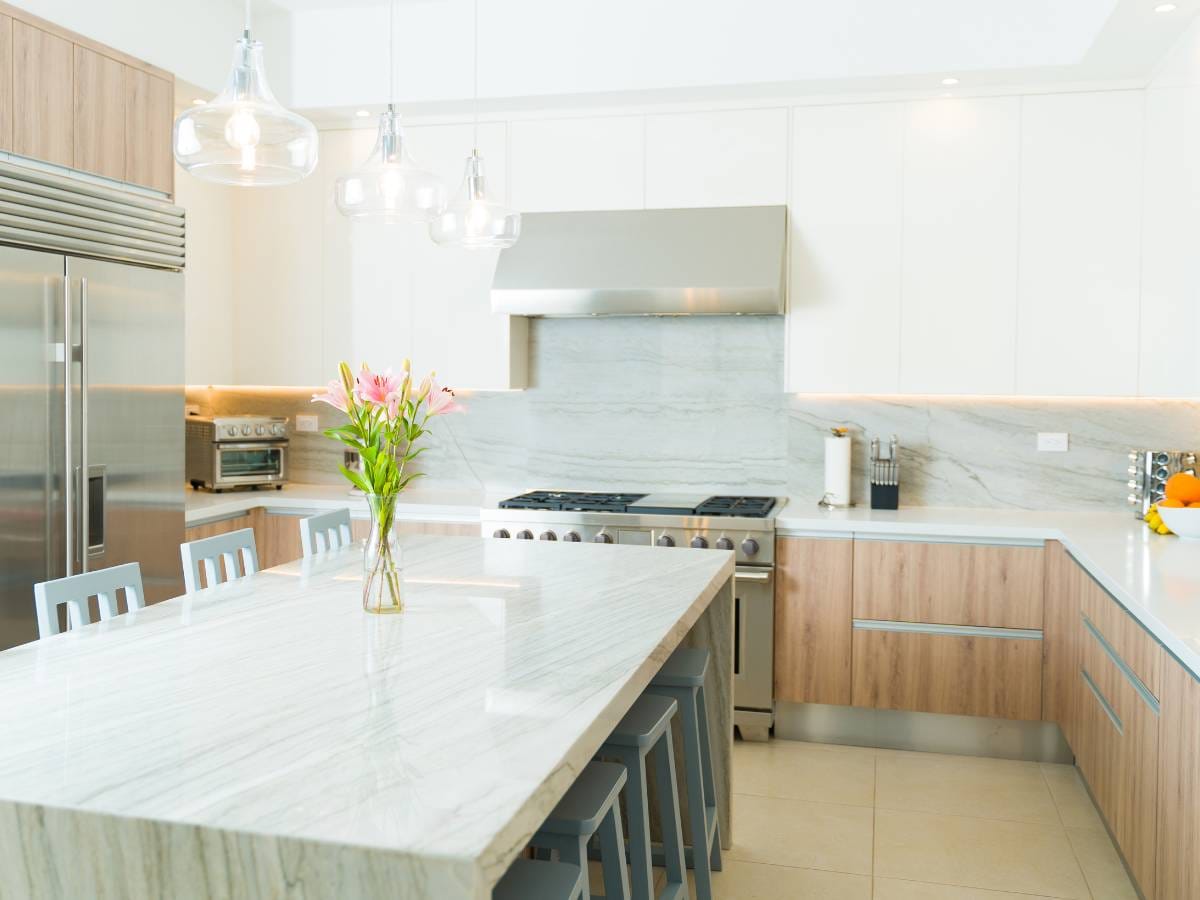
- Kitchen Countertops: Solid surface countertops from KKR are seamless and easy to clean, making them a favorite in kitchens. They can be custom-shaped to fit any kitchen layout, including integrated sinks and backsplashes.
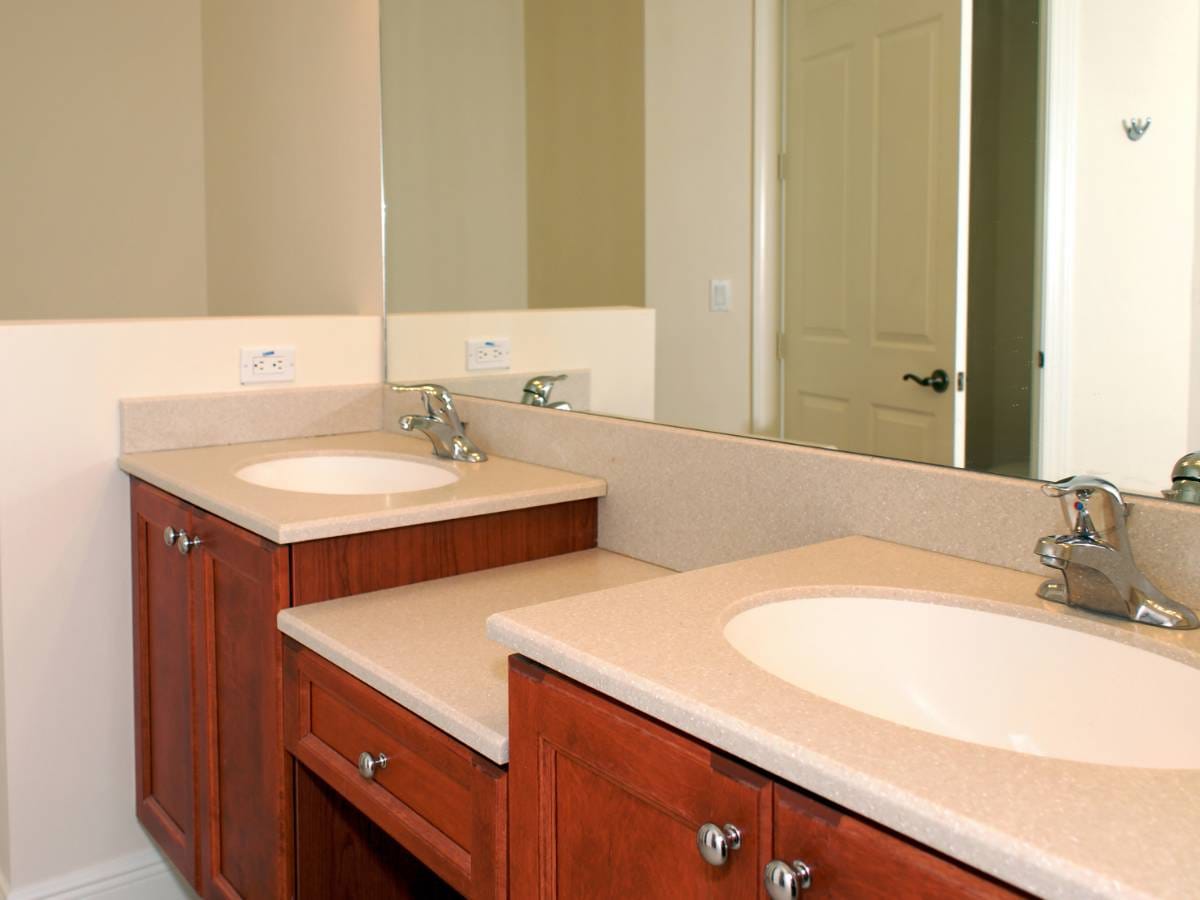
- Bathroom Vanities: In bathrooms, solid surface materials are used for vanities and sinks due to their water-resistant properties. They offer a sleek, modern look and can be easily maintained with regular cleaning.
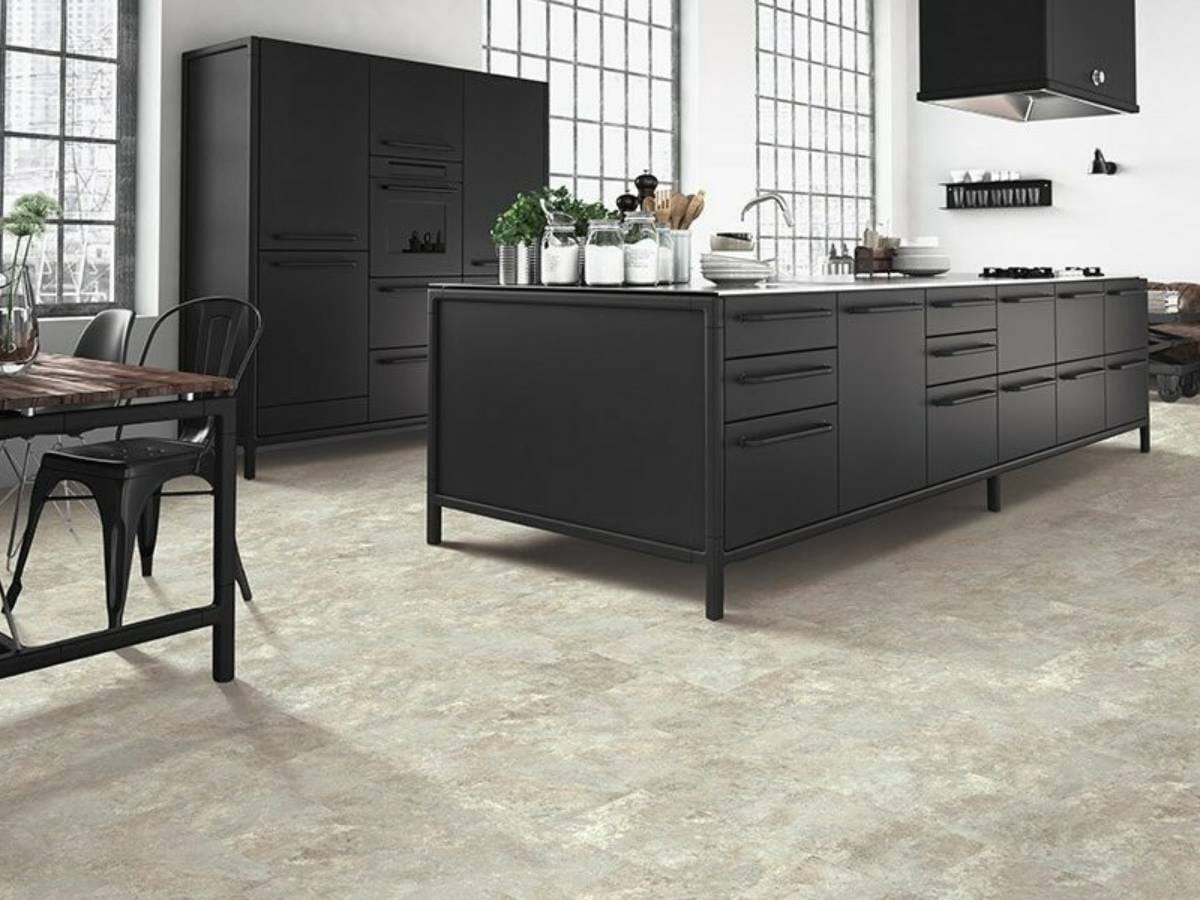
- Flooring: Solid surface materials are used in flooring for their durability and ease of repair. They offer a consistent look and can be easily maintained, making them suitable for commercial spaces.
3. Natural Stone
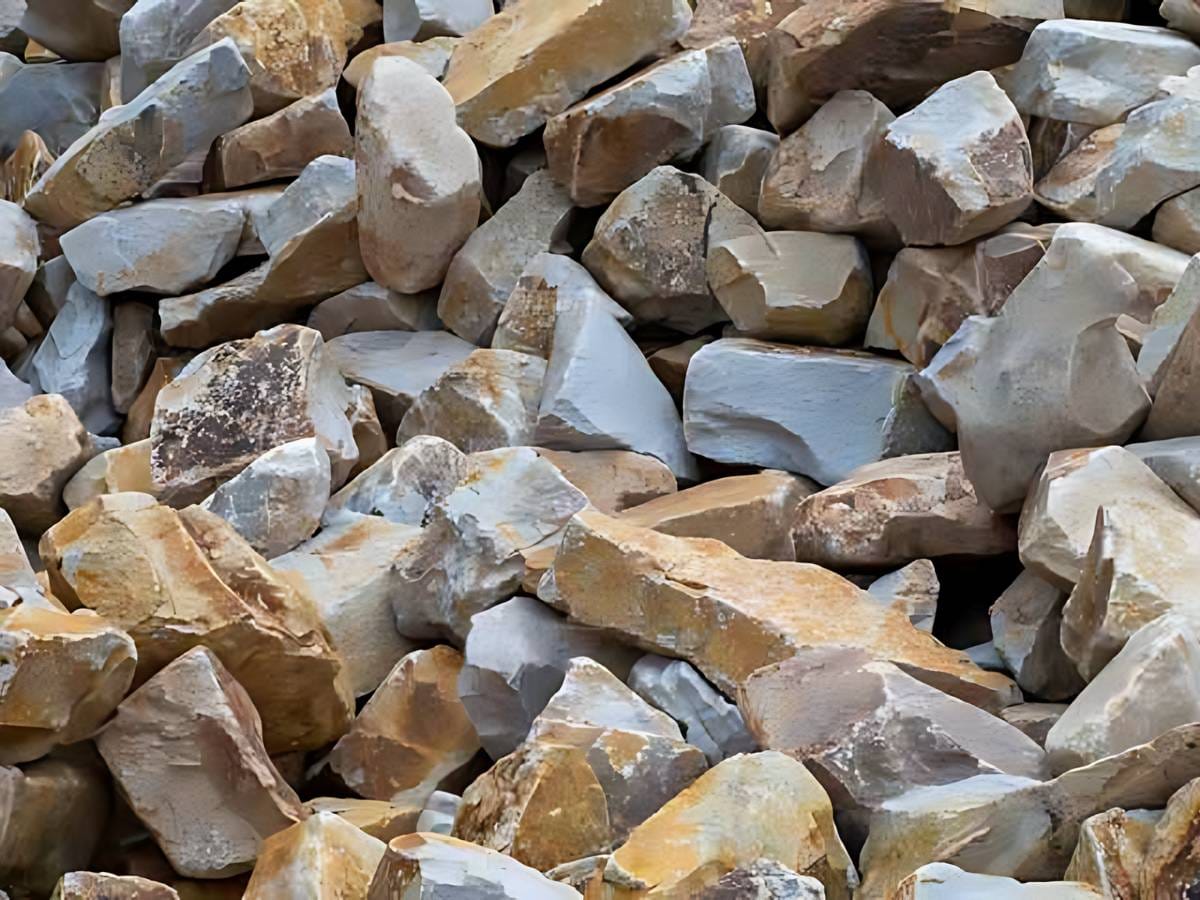
Natural stone is created through natural geological processes. Its aesthetic beauty and unique patterns make it highly desirable in construction and design projects. Renowned for its exceptional strength, natural stone is a preferred choice for building and architectural applications. Here are some key details about natural stone:
Types of Natural Stone
- Granite: Granite is highly durable and resistant to scratches and heat, making it ideal for kitchen countertops. Its natural patterns add a luxurious touch to any space.
- Marble: Marble is known for its elegant appearance and smooth surface, often used in bathrooms and entryways. It requires more maintenance but offers a classic, high-end look.
- Quartzite: Quartzite is a hard, non-porous stone that resists stains and heat. It’s a practical choice for both countertops and flooring, combining strength with beauty.
- Travertine: Travertine has a warm, earthy appearance with natural holes and troughs. It is often used in flooring and backsplashes due to its rustic look.
- Serpentine: Serpentine is a greenish stone with a smooth texture, often mistaken for marble. It is highly durable and used in countertops and flooring.
- Slate: Slate is a dense, durable stone with a smooth surface and comes in various shades of grey and black. It is ideal for roofing, flooring, and outdoor applications.
- Sandstone: Sandstone has a gritty texture and is available in a range of colors. It is often used for decorative features, paving, and cladding.
- Limestone: Limestone is a soft, porous stone that comes in neutral tones. It is commonly used in architecture, flooring, and as a base material for cement.
- Soapstone: Soapstone is a dense, non-porous stone that feels soapy to the touch. It is used in countertops and sinks because of its heat resistance and smooth texture.
- Onyx: Onyx is a translucent stone with striking patterns and colors. It is often used for decorative accents, lighting features, and countertops.
Key Features of Natural Stone
- Natural Insulator: Natural stone has excellent insulating properties, helping to maintain indoor temperatures. This can lead to energy savings in both heating and cooling.
- Fire Resistance: Natural stone is highly resistant to fire, making it a safe choice for building materials. It does not burn or release toxic fumes when exposed to high temperatures.
- Natural and Unique Color: Natural stone comes in a variety of colors and patterns, each one-of-a-kind. Formed by nature, every piece has a distinct look, adding special character and elegance to any countertop.
Typical Applications and Uses of Natural Stone
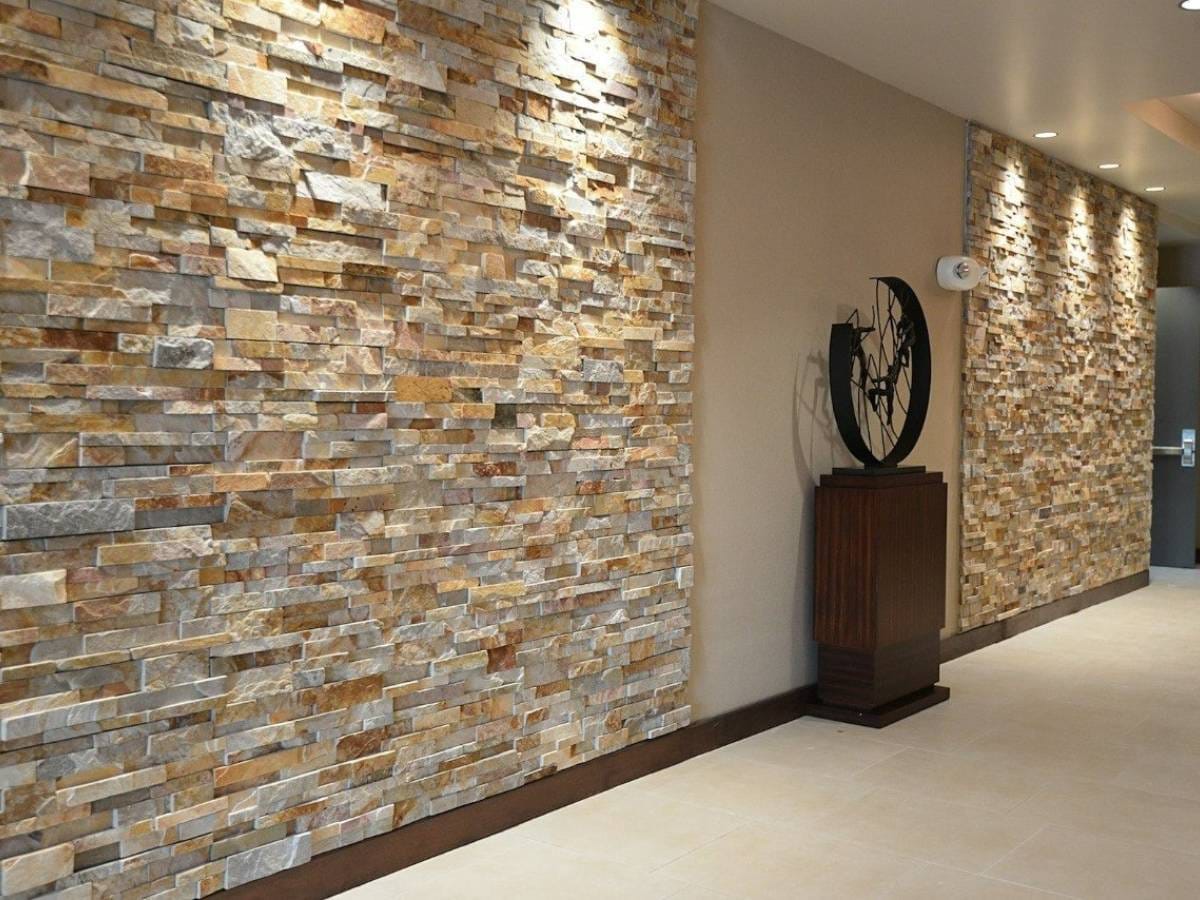
- Wall Cladding: Natural stone is often used for wall cladding due to its durability and attractive appearance. It provides a unique, textured look that enhances the exterior and interior walls of buildings.
- Landscaping: In landscaping, natural stone is used for pathways, garden borders, and retaining walls. Its strength and natural beauty make it an ideal choice for creating lasting outdoor features.
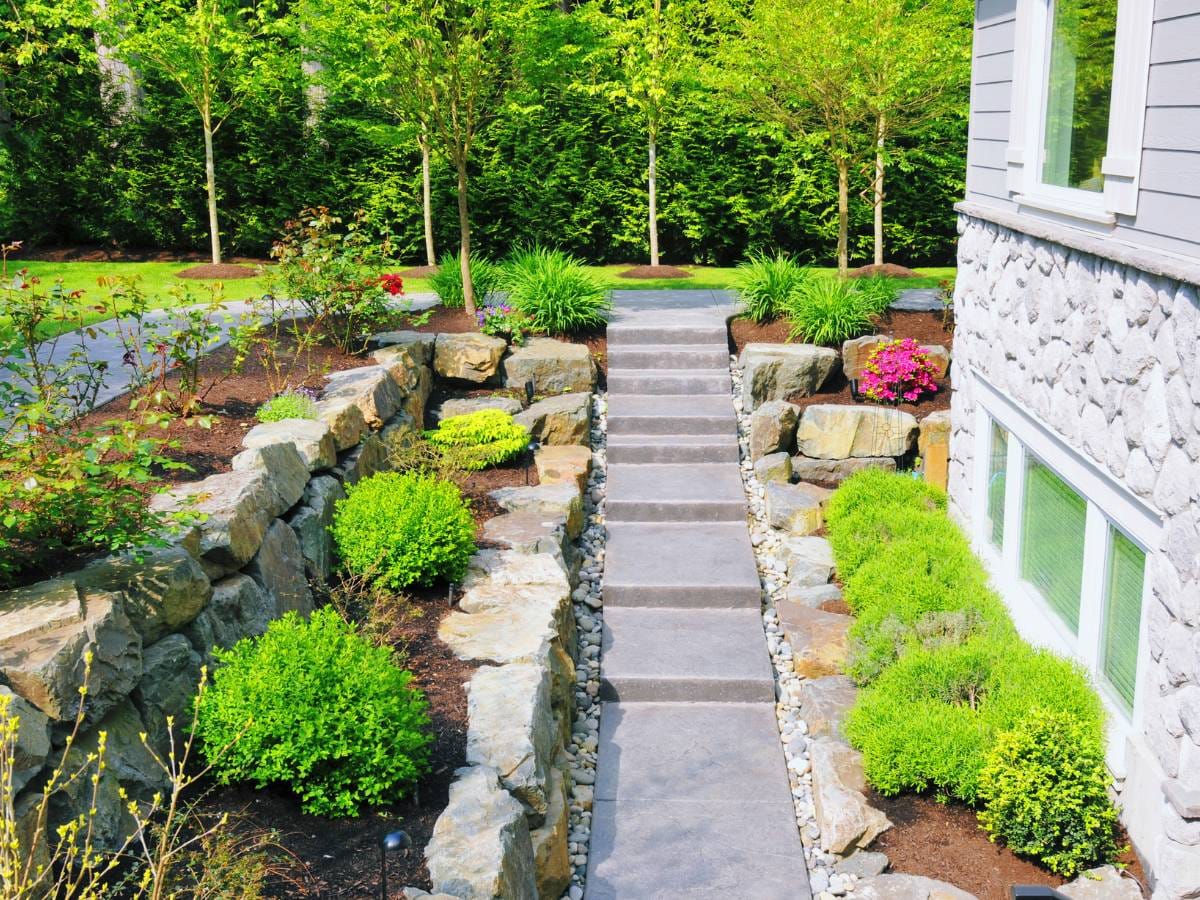
- Countertops and Work Surfaces: Granite and marble countertops are durable and heat-resistant, making them ideal for kitchens and bathrooms. They offer a long-lasting, attractive surface for food preparation and daily use.
4. Engineered Stone
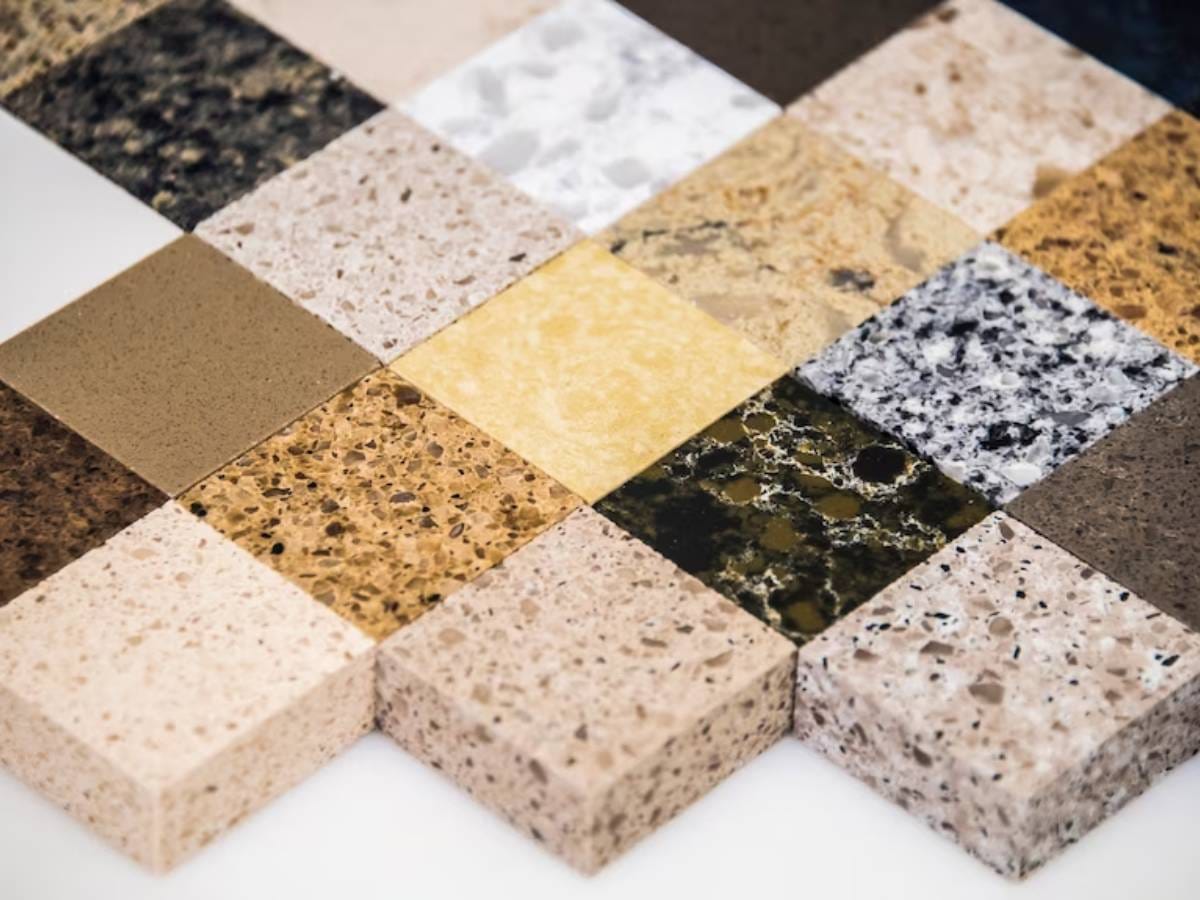
Engineered stone is a manufactured product made from natural stone fragments and resin, offering a wide range of colors and patterns. It combines the beauty of natural stone with enhanced durability and uniformity. Here are some key details about engineered stone materials:
Types of Engineered Stone
- Caesarstone: Caesarstone is known for its durability and wide range of colors and patterns. It’s a top choice for both residential and commercial projects.
- Essastone: Essastone offers a luxurious look with the practical benefits of engineered stone. It combines beauty and functionality, making it suitable for high-traffic areas.
- Lithostone: Lithostone is prized for its natural appearance and robust performance. It’s ideal for those seeking the elegance of natural stone with added durability.
- Quantum Quartz: Quantum Quartz is celebrated for its strength and resistance to stains and scratches. It provides a stylish and practical solution for various applications.
Key Features of Engineered Stone
- Heat Resistance: Engineered stone can withstand high temperatures without being damaged. This makes it ideal for countertops where hot pots and pans are frequently placed.
- Hygienic: Engineered stone is non-porous, preventing bacteria and mold growth. This makes it a safe and sanitary choice for food preparation areas.
- Consistent Color and Pattern: Engineered stone has a uniform look because it’s manufactured in a controlled environment. This means anyone will get the same color and pattern throughout the entire piece, providing a cohesive and polished appearance.
Typical Applications and Uses of Engineered Stone
- Wall Coverings: Engineered stone is used for interior wall coverings due to its consistent appearance and durability. It provides a sleek, modern look that enhances the aesthetic of any space.
- Backsplashes: Engineered stone is ideal for kitchen and bathroom backsplashes due to its resistance to stains and easy maintenance. It offers a wide range of colors and patterns, allowing for creative designs.
- Commercial Spaces: Many businesses use engineered stone for countertops, reception desks, and other surfaces due to its professional appearance and longevity. It stands up well to heavy use and maintains its look over time.
5. Comparing Solid Surface vs Natural Stone vs Engineered Stone
Selecting the right material for your project can be challenging given the numerous options available. To make the choice easier, here are the differences between solid surface, natural stone, and engineered stone:
| Feature | Solid Surface | Natural Stone | Engineered Stone |
| Composition | Acrylic or polyester resins mixed with pigments | Naturally occurring minerals like granite, marble, etc. | Natural stone fragments bound with resin |
| Durability | Resistant to stains and minor scratches | Highly durable but can be prone to staining and etching | Highly durable and resistant to stains and scratches |
| Maintenance | Low maintenance, easy to clean | Requires sealing and more upkeep | Low maintenance, easy to clean |
| Aesthetic Variety | Wide range of colors and patterns | Natural variations in color and veining | Wide range of colors and patterns, consistent look |
| Installation | Seamless appearance, can be molded into shapes | Requires professional installation, visible seams | Professional installation recommended, minimal seams |
| Cost | Generally more affordable | Can be expensive depending on the type of stone | Mid-range to high depending on the brand and design |
| Heat Resistance | Moderate heat resistance, can be damaged by hot pots | High heat resistance, but some stones can be damaged | High heat resistance, but still needs protection |
| Environmental Impact | Can be eco-friendly if made from recycled materials | Natural resource, mining impacts the environment | Can be eco-friendly, made from recycled materials |
This table should help in comparing the essential features of each material, making the decision process more straightforward.
6. 5 Factors to Consider When Choosing Countertop Material
Choosing the right countertop material involves understanding how each option performs in different areas. Here are the key factors to consider:
#1 Stain Defense
Choose a countertop material that resists stains to keep your surfaces looking clean and new. For instance, engineered stone and solid surface materials are great because they don’t absorb liquids, making them easy to clean. Natural stone, like marble, can stain if not sealed properly, so it may require more upkeep.
#2 Heat Tolerance
Consider how much heat your countertop will need to handle. Engineered stone and natural stone like granite can withstand high temperatures without damage. Solid surface materials can get damaged by hot pots, so always use a trivet or a hot pad to protect them.
#3 Scratch Proof
Look for materials that resist scratches to maintain a smooth and attractive surface. Engineered stone is tough and can resist most scratches, while solid surfaces can show minor scratches but are easy to repair. Natural stones vary, with granite being more scratch-resistant than softer stones like marble.
#4 Hassle-Free Maintenance
Opt for a countertop that requires minimal upkeep. Solid surface and engineered stone are low maintenance, only needing regular cleaning with mild soap and water. Natural stone requires sealing and more frequent care to maintain its appearance and prevent damage.
#5 Visual Appeal
Consider the look and style of the countertop material. For instance, engineered stone offers a wide variety of colors and patterns, providing a uniform and modern appearance. Solid surface materials also come in many designs and can be molded into different shapes, like integrated sinks and curved edges. Natural stone has unique veining and patterns, giving each piece a distinct look, perfect for creating a one-of-a-kind design.
Conclusion
This guide has walked you through the differences between solid surface, natural stone, and engineered stone countertops, helping you make an informed decision for your business. By understanding the unique benefits and drawbacks of each material, you can choose the best option that meets your needs and budget.
We hope this guide has provided you with valuable insights and clarity. For businesses seeking more information about high-quality solid surface materials, KKR offers exceptional solutions. Contact us today to learn how we can enhance your projects.
Recommended Reading
Looking for more diverse product options? Browse through our handpicked selections:
For some insightful reads, we’ve curated a list of recommended articles just for you:
- Tips for Choosing the Right Solid Surface Material for Your Project
- What Is Corian Solid Surface Made Of?
- Top 8 Solid Surface Basin Manufacturers
Still haven’t found what you’re looking for? Don’t hesitate to contact us. We’re available around the clock to assist you.