







Are you looking to elevate your product line with countertops that combine style and functionality? The right countertop choice can significantly impact your business, enhancing both aesthetics and value.
As an experienced kitchen countertops specialist, I have the knowledge and skills to guide you through the best options available. Our insights come from a deep understanding of market trends and industry standards.
Here is a sneak peek at 2 of the most popular choices:
- Granite Countertops
- Quartz Countertops
In this guide, you’ll learn about the features, benefits, and drawbacks of 10 different types of kitchen countertops. We’ll provide you with the information you need to make informed decisions and satisfy your customers.
So let’s get down to it!
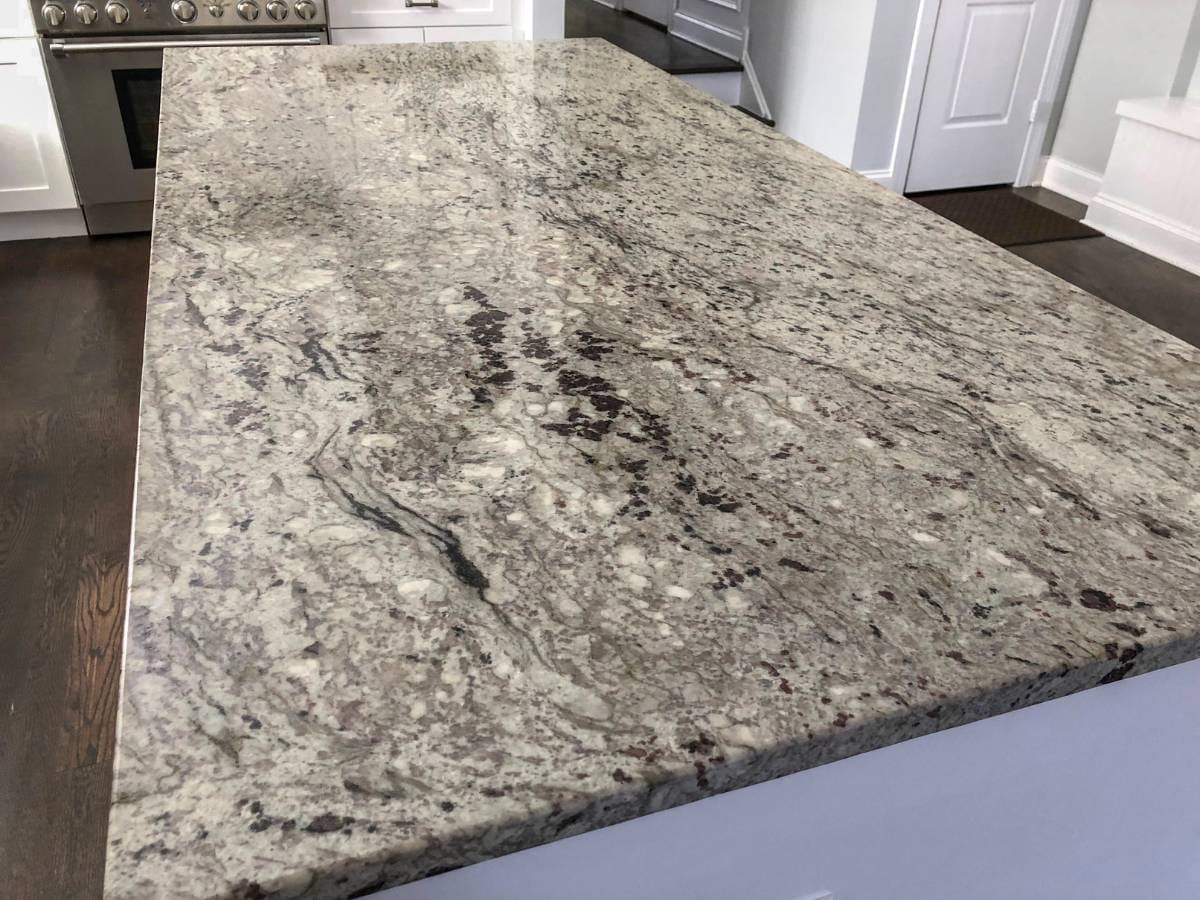
1. Granite Countertops
Granite countertops are a popular choice for kitchens due to their natural beauty and durability. This natural stone offers a unique variety of colors and patterns and an elegant look, making it a favorite among homeowners and businesses alike. Here are some of the pros and cons of granite countertops:
Pros
- Scratch Resistant: It is one of the hardest natural materials, ranking around 6-7 on the Mohs hardness scale, making it resistant to scratches from most kitchen utensils and activities.
- Natural Patterns and Colors: They are 100% natural rock and their rich colors and unique look, instantly elevate the aesthetic appeal of any kitchen or bathroom.
- Heat Resistant: They can easily withstand temperatures, likely up to 1,000 degrees Fahrenheit or more.
Cons
- Requires Regular Sealing: Granite needs periodic sealing to maintain its resistance to stains and bacteria. This ongoing upkeep can be a hassle for some.
- Prone to Chipping:Since it is a natural stone with inherent fissures and micro-cracks, I find that they are more vulnerable to chipping when struck by heavy objects.
- Requires Professional Installation: They are extremely heavy, making them difficult to maneuver and position without specialized equipment and expertise.
2. Quartz Countertops
Quartz countertops are engineered surfaces made from quartz crystals combined with resin and pigments. They offer a sleek, modern look and an environment-friendly alternative to natural stones. Here are the pros and cons of using quartz countertops:
Pros
- Bacteria and Stain-Resistant: They are non-porous, meaning it does not absorb liquids or harbor bacteria. Trust me, this makes it easy to clean and maintain a hygienic kitchen environment.
- Uniform Appearance: According to Fortune Business Insights, 90% of ground quartz with a certain percentage of resin, pigments, and polymers are combined during the manufacturing process. This allows for a consistent blend of color, pattern, and texture throughout the entire slab.
- No Sealing Required: Unlike granite or marble, quartz does not need to be sealed because they are non-porous. This reduces the amount of upkeep needed to maintain its appearance and resistance to moisture.
Cons
- High Cost: Due to the manufacturing process and the quality of the material, they can be quite expensive often comparable to high-end granite.
- Heat Sensitive: The resin can only withstand temperatures up to about 300 degrees Fahrenheit. Exposure to temperatures above this can cause the resin to discolor or even burn.
- Manufactured Appearance: Although quartz can mimic natural stone, it is still a man-made and manufactured product that may not appeal to those who prefer the unique variations of natural stone.
3. Marble Countertops
Marble countertops are known for their luxurious appearance and timeless elegance. They are a popular choice for homeowners seeking a classic, sophisticated look in their kitchens. Here are the pros and cons of using marble countertops:
Pros
- Cool Surface: It remains cool to the touch, making it ideal for baking and pastry preparation. In my experience, it provides a perfect work surface for rolling dough and other culinary tasks.
- Last for Decades: It’s a metamorphic rock, which means it has undergone significant pressure and heat, making it extremely strong and durable.
- Aesthetic Appeal: They offer a high-end, elegant look with their unique veining and patterns. This natural beauty can elevate the overall design of any kitchen.
Cons
- Stains Easily: Since it’s a porous stone, it can stain and acidic liquids will stain permanently if not sealed. For instance, common kitchen substances like wine or juice can leave marks.
- Scratch Susceptibility: Marble is primarily composed of calcite, a relatively soft mineral with a Mohs hardness of 3, making it susceptible to scratching.
- Etching: When acid reacts with marble that is made of calcium carbonate, it eats away a tiny bit of the surface, creating dull spots. For example, lemon or vinegar can cause etching on marble surfaces.

4. Solid Surface Countertops
Solid surface countertops are made from a blend of acrylic and polyester resins, offering a seamless and versatile option for kitchen surfaces. They are known for their smooth appearance and ease of maintenance. Here are the pros and cons of using solid surface countertops:
Pros
- Seamless Appearance: Solid surface countertops, like those offered by KKR, can be fabricated with seamless joints, providing a smooth and continuous look. This is particularly beneficial for large or uniquely shaped counters.
- Easily Repaired: Scratches, dents, and other damage can be easily repaired by sanding, restoring the surface to its original state.
- Moldable: Integrated sinks can be molded directly into the countertop, providing a seamless transition. This design, like those from KKR, enhances the overall aesthetic and makes cleaning easier.
Cons
- Can be Damaged by Heat: This surface can be damaged by extreme heat, as it is only manufactured to withstand temperatures up to 212 degrees Fahrenheit. My tip is to use trivets and hot pads to avoid burns and marks.
- Prone to Scratches: Being primarily made of acrylic, they are more prone to scratches compared to natural stone.
- Vulnerable to Strong Chemicals: Strong chemicals, such as nail polish remover or certain cleaning agents, can damage the surface.
Here’s a table highlighting the sensitivity of certain materials to strong chemicals and the necessary precautions to preserve their integrity:
| Feature | Description | Benefit |
| Damage Prevention | Using strong chemicals can lead to surface etching, discoloration, or even structural damage. | Avoiding harsh chemicals preserves the appearance and durability of the material. |
| Recommended Cleaning Agents | Advising on the use of mild, non-abrasive cleaners that are safe for the specific material type. | Ensures effective cleaning without risking damage to the material. |
| Immediate Response to Spills | Prompt action to clean up any spills of potent substances to prevent surface damage. | Minimizes potential damage by addressing spills quickly and efficiently. |
| Educational Guidelines | Providing clear guidelines on what chemicals to avoid and how to properly care for the material. | Helps users maintain their surfaces properly, extending the life of the material. |
5. Laminate Countertops
Laminate countertops are made by layering a decorative sheet over a particleboard or MDF (medium-density fiberboard). They are known for their affordability and wide range of design options. Here are the pros and cons of using laminate countertops:
Pros
- Affordable:For me, the fact that they are made from paper and melamine resin layers makes them much less expensive than natural stone or solid surface materials.
- Easy Installation: They are DIY-friendly, meaning homeowners can install them without professional help, reducing labor costs.
- Lightweight: Being lightweight, they do not require additional support from cabinetry. This makes them easier to handle and install compared to heavier materials.
Cons
- Seam Visibility: Its seams are more visible than in other materials which can detract from the overall appearance, especially in larger kitchens.
- Moisture Damage: Prolonged exposure to moisture can cause the particleboard or MDF core to swell and warp. This is particularly problematic around sinks and edges.
- Shorter Lifespan: Laminate countertops typically have a shorter lifespan compared to more durable materials. They may need to be replaced more frequently due to wear and damage.

6. Butcher Block Countertops
Butcher block countertops are made from straight cuts of wood glued together to create a sturdy surface. They offer a warm, natural look that can complement various kitchen styles. Here are the pros and cons of using butcher block countertops:
Pros
- Warm Aesthetic: Butcher block adds a warm, natural look to the kitchen. It creates a cozy and inviting atmosphere.
- Eco-Friendly: It is a renewable resource, and many options use sustainably sourced wood. This makes it an environmentally friendly choice.
- Antibacterial Properties: Wood has natural antibacterial properties, making it a hygienic choice for kitchen surfaces
Cons
- Requires Regular Oiling: To prevent drying and cracking, they require frequent oiling. I can attest that this ongoing maintenance can be time-consuming.
- Susceptible to Damage: They are prone to scratches, dents, and knife marks, which can accumulate over time
- Bacterial Growth: If not cleaned properly, wood can harbor bacteria. Regular disinfecting is necessary to maintain a hygienic surface.

7. Concrete Countertops
Concrete countertops offer a modern and industrial look, making them a popular choice for contemporary kitchens. They can be customized in various ways to fit different design aesthetics. Here are the pros and cons of using concrete countertops:
Pros
- Versatile: They can be molded into any shape, size, or thickness. This allows for complete customization to fit kitchen design perfectly.
- Wide Color Options: They can be tinted in a variety of colors to match kitchen decor. This versatility allows for creative design choices.
- Seamless Integration: I always appreciate how sinks, drainboards, and other features can be integrated seamlessly into concrete countertops. This provides a cohesive and functional design.
Cons
- Can Develop Cracks: It can develop hairline cracks over time due to settling or temperature changes. These cracks can be difficult to repair.
- Heavy: They are very heavy, which can put stress on cabinets and floors, requiring additional support.
- Can Absorb Stains: Concrete is porous and can stain, leading to discoloration. Regular sealing is necessary to protect the surface from spills and stains.
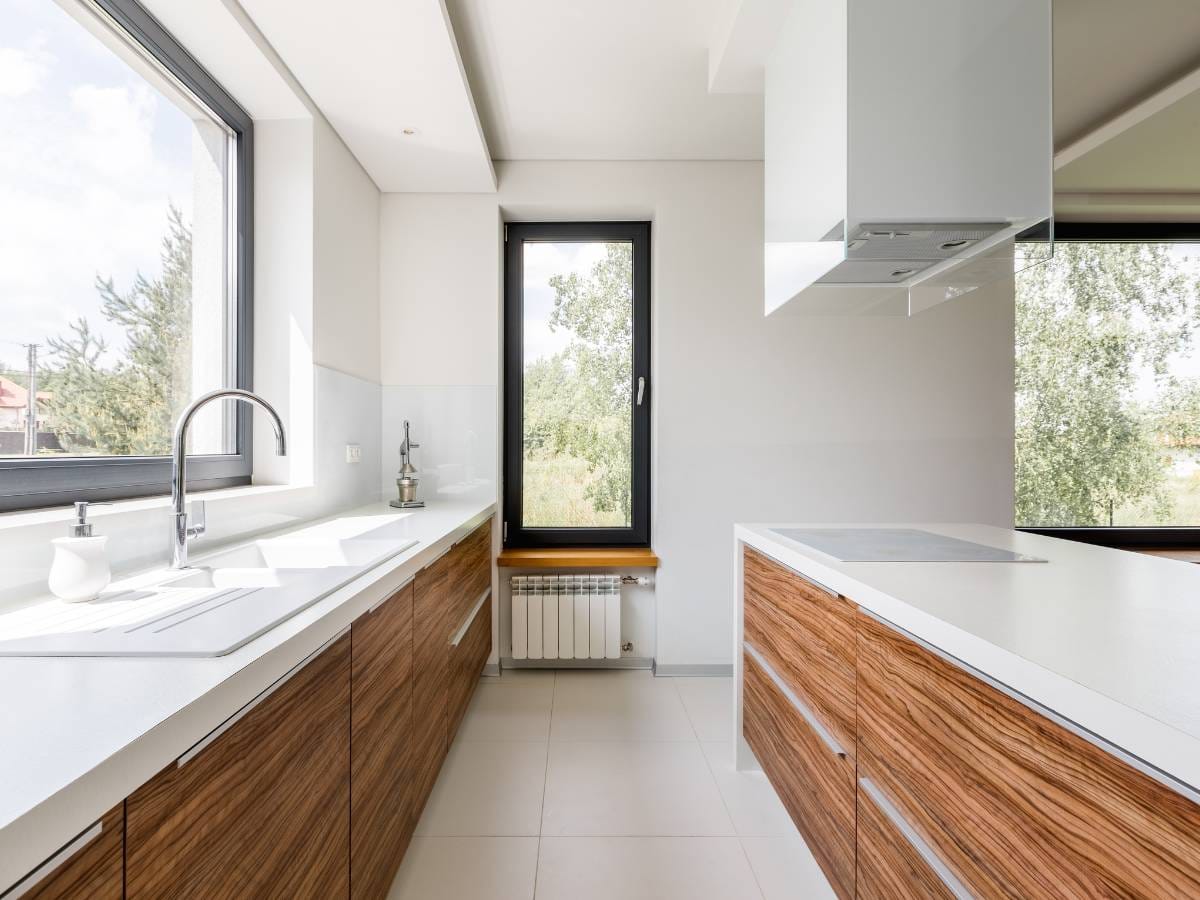
8. Soapstone Countertops
Soapstone countertops are made from a natural quarried stone that contains talc, giving it a smooth, soft feel. They are known for their rustic charm and durability. Here are the pros and cons of using soapstone countertops:
Pros
- Durable: It is resistant to acids and chemicals, making it a durable choice for kitchen countertops.
- Hygienic: Being non-porous makes it naturally bacteria-resistant, contributing to a more hygienic kitchen environment.
- Good Aging Process: Over time, it develops a natural patina that enhances its rustic charm. This maturation process can add character to the kitchen—amazing, right?
Cons
- Prone to Scratch: Soapstone is relatively softer than other countertop materials, making it prone to scratches and dents.
- Limited Color Options: Soapstone is typically available in shades of grey and green. This limited color palette may not suit all kitchen designs.
- Visible Seams: Due to the difficulty of finding large slabs, most soapstone countertops will have visible seams.

9. Stainless Steel Countertops
Stainless steel countertops are a popular choice in commercial kitchens due to their durability and sleek, modern look. They are gaining popularity in residential kitchens as well. Here are the pros and cons of using stainless steel countertops:
Pros
- Sanitary: Their non-porous nature prevents the growth of bacteria and mold. This makes it easy to clean and maintain a hygienic kitchen environment.
- Modern Aesthetic: Stainless steel offers a sleek, contemporary look that fits well with modern kitchen designs. It can also complement a variety of other materials and finishes.
- Environmentally Friendly: Stainless steel is 100% recyclable, making it an eco-friendly choice.
Cons
- Fingerprint Visibility: Fingerprints, smudges, and water spots are highly visible on stainless steel surfaces. Regular cleaning is needed to maintain a spotless appearance.
- Noisy: They can be noisy when items are placed or moved on them. In my opinion, this can be a minor inconvenience in a busy kitchen.
- Cold Appearance: The sleek, industrial look of stainless steel can feel cold and less inviting compared to other materials. This may not suit all kitchen designs.

10. Ceramic Tile Countertops
Ceramic tile countertops are a versatile and cost-effective option for kitchen surfaces. They offer a wide range of design possibilities and can be customized to suit any style. Here are the pros and cons of using ceramic tile countertops:
Pros
- Less Expensive: They are one of the most affordable countertop options. It offers a budget-friendly way to update the kitchen without compromising on style.
- Design Variety: I love that it comes in a vast array of colors, patterns, and textures. This variety allows for creative designs and customization to match any kitchen decor.
- DIY-Friendly: Accessibility of materials is readily available at most home improvement stores, so it can be a DIY project for those with the right tools and skills.
Cons
- Grout Maintenance: The grout lines between tiles can stain and harbor bacteria. Regular cleaning and sealing are necessary to keep the grout looking clean and hygienic.
- Uneven Surface: The individual tiles create an uneven surface, which can make tasks like rolling dough difficult. Small items can also be caught on the edges of the tiles.
- Complex Installation: While DIY-friendly, installing ceramic tile countertops requires precise measurements and cuts, which can be challenging for beginners.
Conclusion
Choosing the right countertop for your product line can transform both the look and functionality of your offerings. From the elegance of marble to the practicality of laminate, each type offers distinct benefits. With KKR’s extensive selection of solid surface sheets, finding the perfect countertop to meet specific needs is now simpler than ever.
In conclusion, this guide has provided valuable insights into the various types of countertops available for your projects. By understanding the pros and cons of each material, you can make informed decisions that enhance your product’s appeal. For more information and expert assistance, visit KKR or contact us today.
Recommended Reading
Looking for more diverse product options? Browse through our handpicked selections:
Still haven’t found what you’re looking for? Don’t hesitate to contact us. We’re available around the clock to assist you.