






Introduction
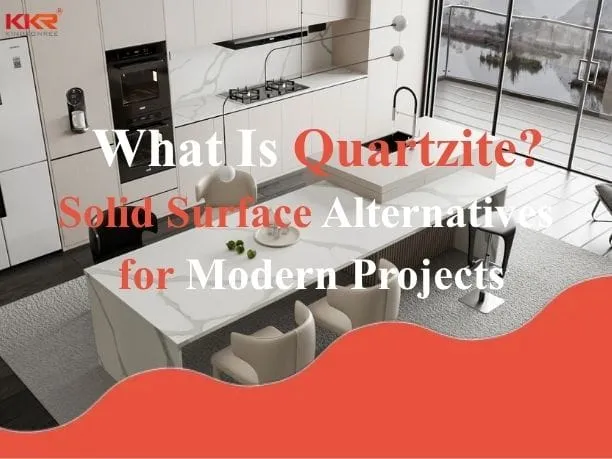
Quartzite is a premium natural stone that is becoming a popular choice of interior designers of small luxury hotels and restaurants. It is extracted from the earth, after which it goes through a series of mechanical fabrication steps to reach its final slab form. Owing to its high Quartz content, typically >90%, it offers exceptional hardness of 7 on a Mohs scale. The material has natural color and patterns that give it character and make it a preferred material to use as countertops, vanities, and walls.

From the perspective of an interior designer or architect, it’s important that we understand the nuances of the material. It comes with its advantages and disadvantages. There are alternatives that provide the versatility that is necessary for modern projects.
Understanding Quartzite: Formation, Characteristics, and Applications
Before we dive deeper into the pros and cons of Quartzite, let’s cover its basics so that we can effectively gauge its performance against other alternatives.
What Is Quartzite?
Quartzite is a quarried, fully natural stone from the earth. It is formed as a natural metamorphic stone. Sand grains consisting of quartz from ancient beaches or dunes underwent extreme heat and pressure, converting them into quartzite material we see today. The process creates an interlocking crystalline matrix, eliminating the initial sedimentary porosity.
As per the International Journal of Earth Sciences, the amount of energy required to enable atoms to move or slide past each other is 135 kJ/mol. It is significantly high, which gives Quartzite its long-term structural stability. Unlike dark feldspar specks in graphite, the presence of trace minerals, which it gathers from groundwater, gives Quartzite its whites, soft golds, blues, or greens.
Is Quartzite Fully Natural?
Quartzite is available in the market in its purest natural state. It only undergoes some mechanical processes, which include quarrying, slab sawing, polishing, and edge profiling. There are no synthetic resins, fillers, or factory-engineered binders like those in engineered stone. Every slab that you utilize in interior design is evidence of the ancient sedimentary to metamorphic state journey.
Visual and Structural Characteristics
In comparison to softer calcareous stones, Quartzite has a glassy luster. It has visually similar veining but offers versatility in color beyond white. The color palette includes chlorite greens, iron-oxide pinks/reds, and subtle blues. All of these are introduced through mineral traces. After its extraction, the material undergoes surface treatments that range from high-gloss polished to matte finish or textured finish.
As we mentioned earlier in the introduction, the Mohs hardness of Quartzite reached 7. It surpasses other natural stones like marble (3-5) and granite (6-6.5). Its dense structure also enables larger unsupported spans, which can be a useful property from a construction point of view. It eases the architects and fabricators’ installation process, particularly in kitchens, where a large span of unsupported slabs can provide useful characteristics. In a potential high-heat environment of the kitchen, the stone maintains its structural properties and strength.
Applications of Quartzite
- Kitchen in Heat: The fall of the knife and the heat of the pan are the biggest challenges to the integrity of countertops in kitchens. Quartzite performs well due to its thermal performance and hardness.
- Bathroom under Wet Conditions: Using slabs of natural stone for vanities and integration is common. Quartzite handles the moisture and humidity effectively.
- Flooring for Horizontal Loads: The compressive strength and abrasion resistance of Quartzite are ideal for high-traffic residential or commercial applications.
- Wall Claddings for Vertical Aesthetics: Using natural stone to cover walls gives any space the warmth it needs. Quartzite provides the visual impact that any space needs.
- Commercial Hospitality for Luxury: Quartzite speaks luxury from the visual interest it builds using veining and color palette. These are often utilized in high-end hospitality venues.
Pros and Cons of Quartzite
As an interior designer or architect, take a look at these aspects of quartzite slabs, which can help ease the selection process.
Advantages of Quartzite
- Premium Aesthetics: The exquisite veining and glassy lustre appearance of Quartzite makes it the perfect item to visually lift spaces.
- Mechanical Strength: The interlocking crystals increase the resistance of the material to chipping and abrasion at 90% or above Quartz concentration.
- Chemical Resistance: It is resistant of usual kitchen chemicals such as vinegar or citrus.
- UV Stability: No fading or degradation of the material in outdoor use where it is subjected to sunlight.
- Repairability: With honing or polishing, the material returns back to its original state and retains it for years.
- Heat Tolerance: With high activation energy, this is very stable to heat exposure of normal kitchen operations.
- ROI (Return on Investment): Quartzite offers outstanding performance over a long period of time. It ads value to teh property guaranteeing the eternal beauty as its core theme.
Limitations of Quartzite
- Weight: Increased weight is associated with increased material density.
- Complex Fabrication: It requires diamond tooling for fabrication. It can lead to brittle edges susceptible to chipping as well.
- Variable porosity: The porosity of the material may change between batches of the material depending on the intensity of metamorphism which is beyond the control of the fabricators.
- Sealing Requirement: When it is not sealed it can darken temporarily on a porous portions of the material.
- Periodic Maintenance: The Quartzite slab will require sealing process after every 6-18 months. It helps avoid any stains of oil and colored spills.
- Variations in Color and Pattern: natural variation of color and pattern makes it difficult to match in mass commercial usage. It also increases upfront costs of matching.
Quartzite vs Solid Surface: Key Differences for Commercial Projects
Material Structure
Quartzite is a naturally occurring material that forms under immense geological pressure and temperature. It has natural veining and color inconsistencies that add to its beauty. There is authenticity in its spark that comes through mineral inclusion. The premium-grade comes with near to zero porosity levels. These are typically available in 2-3 cm in thickness.
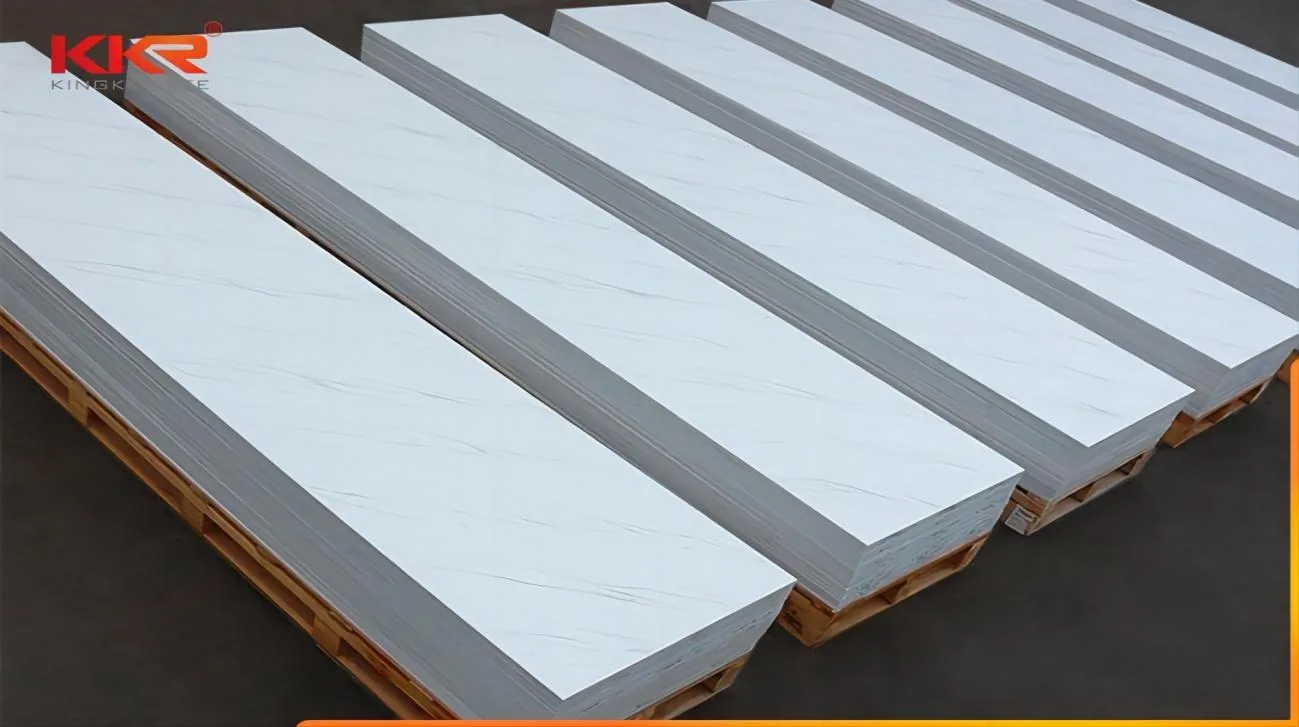
Solid surface material is an engineered material made using acrylic resins (PMMA) and mineral fillers (ATH). It’s controlled manufacturing results in a homogenous matrix without any natural defects. There is no variation across entire batches of solid surface slabs. Owing to the polymerization process, the surface is non-porous by design and comes in customizable thicknesses as per requirement.
Design Flexibility
Quartzite is a hard material that gives it the scratch resistant property, but it also makes machinability a challenge. There are only limited shapes, like slabs, that can be produced viably using the raw material.
Solid surface material provides complete control over design as it is engineered into its final form. The material is thermoformable, which enables complex shapes like tapered pillar covering, which is not possible with natural stones. Multiple sheets of solid surface can be joined together seamlessly, chemically bonded, leaving no gap or crevices.

Maintenance and Hygiene
Quartzite offers variable porosity, which necessitates the application of sealant to protect it against common household liquids. Scratches or minor damage can be sanded out and polished to the original finish.
Solid surface materials are non-porous with no space for mold or mildew to take hold and cause damage. Chipping or any damage can be fixed with indistinguishable before and after conditions with maintenance.
Project Suitability
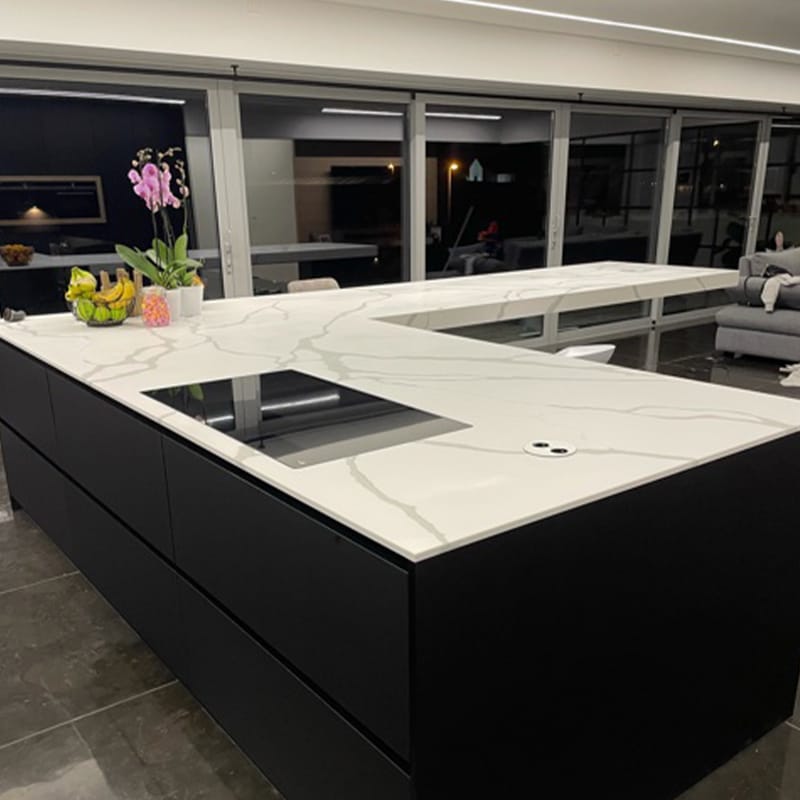
Quartzite is ideal for boutique residential or small luxury hospitality venues where natural character is valued. It can be challenging to find a large batch of similar color and texture material for a homogenized look. The procurement and design team needs to plan interior design after analyzing the materials.
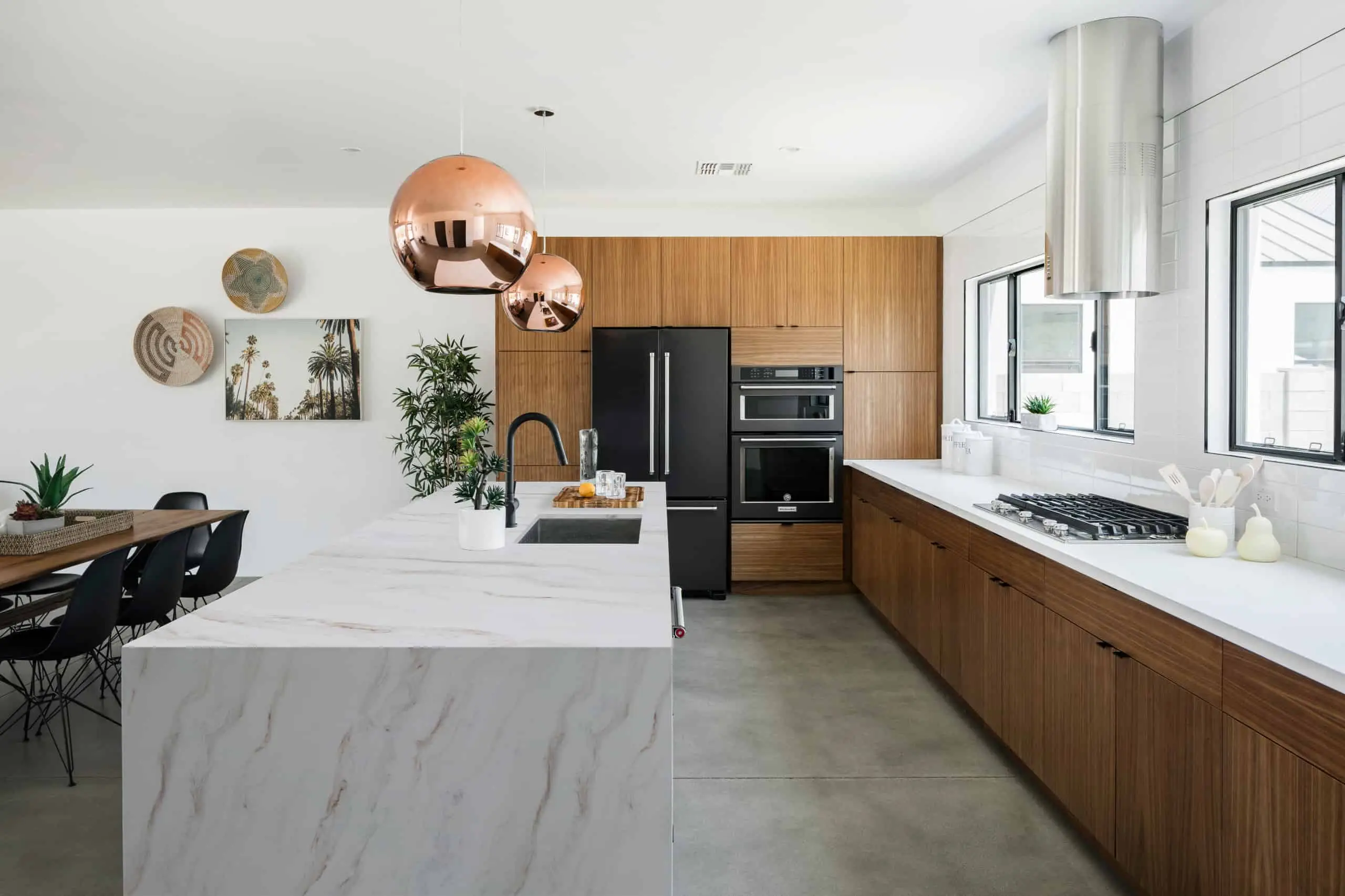
Solid surface material can establish similar aesthetics and exact replicas over batches. They are highly feasible for high-traffic areas where damage is likely. They are easier to repair and offer over 300 color options, making them feasible for any project. Manufacturers of acrylic solid surface slabs can deliver in a short time with pre-fabricated components, reducing installation time and waste.
Acrylic Solid Surface: A Practical Alternative for Large Projects
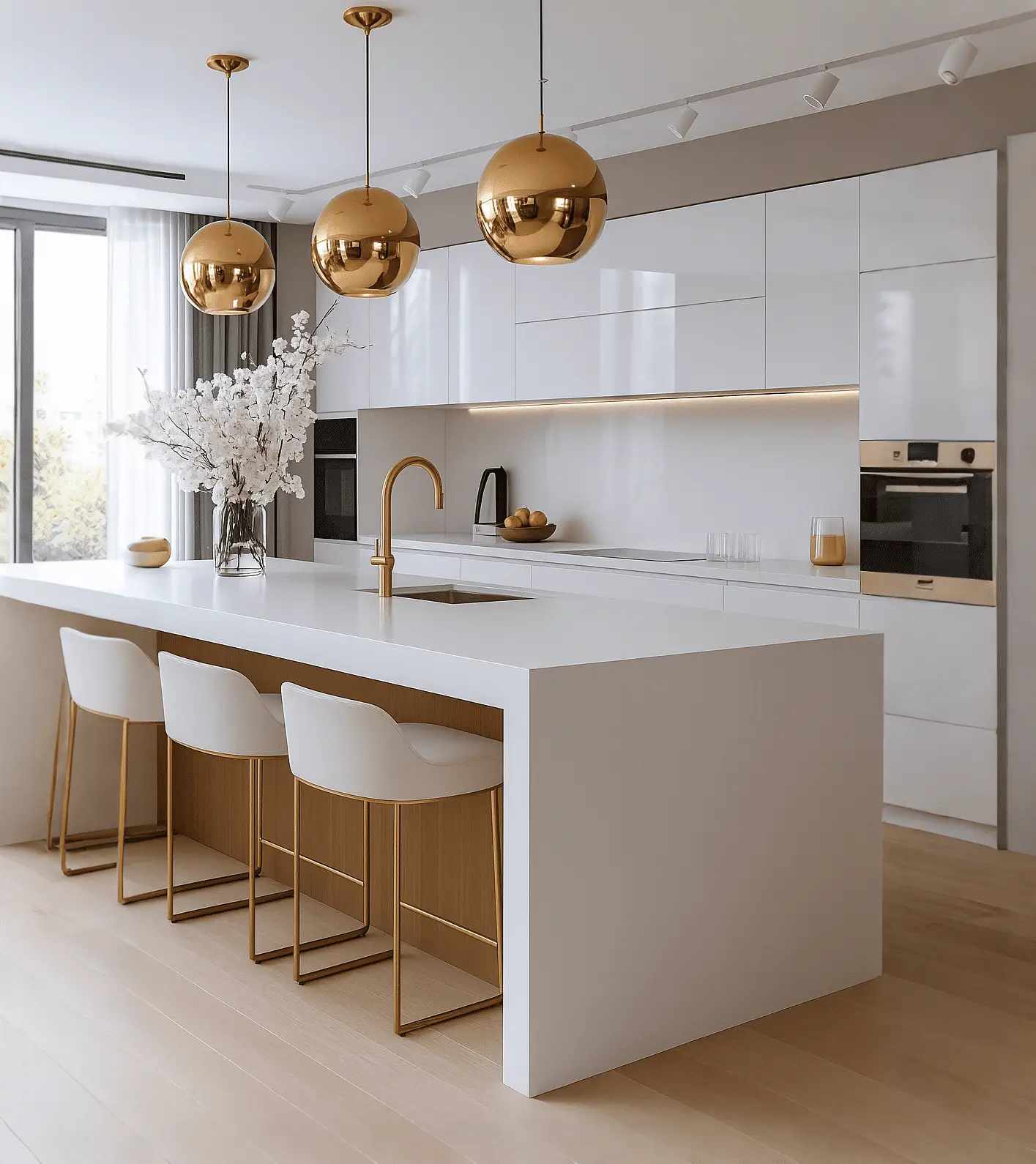
If you are looking to deliver a large project and desire material that can invoke the feeling of nature while providing the versatility of synthetic material, then consider acrylic solid surface. They can mimic the natural stone from veins to color patterns indistinguishably. Unlike natural stone, acrylic solid surface offers consistent porosity and mechanical properties across batches. There are no minor cracks or defects that could make the material vulnerable for commercial applications.
They are seamless and thermoformable into custom shapes as per requirement. Users can pick from 300+ colors and textures to find the right match for their projects. All of them will seamlessly join together, providing a perfectly hygienic product that is easy to maintain through simple filing, sanding, and polishing operations.
About KKR Solid Surface Solutions
KKR is one of the high-end and premium manufacturers of solid surface sheets. Each of their products has a strictly controlled thickness within the +-0.5mm and flatness tolerance of 0.2%. They have a zero tolerance policy for visible defects, including cracks, bubbles, pores, or polishing marks on the finished surface. They utilize precision tools to deliver exceptional dimensional properties.
KKR achieves 99% color accuracy through the use of spectrophotometers under standardized D65 daylight simulation. Their color tolerance is well below the threshold of eye detection capability. They add anti-yellowing agents and test the product for 300 hours with xenon-arc testing with no visible discoloration.
Conclusion
Quartzite adds sophistication to the interior with each piece showcasing the long journey that it took from being a sand particle to adding natural elements to the interior design. Its exceptional hardness and mesmerizing patterns speak to the viewers. But it comes with its drawbacks of limited design, logistical hurdles, variable porosity, and inconsistent color patterns, which make it challenging to implement in commercial projects.
Acrylic solid surface eradicates these working risks and provides architects with engineered uniformity, thermoformability, and hygiene free of maintenance. Engineered materials are the best in project teams that require perfect batch-to-batch consistency and fast deployment. Kingkonree (KKR) is a reliable solid surface supplier of premium and custom made that will surely bring you to the next level of global development. Look through the extensive list of materials offered by KKR nowadays.
FAQ
- When should designers choose solid surface instead of quartzite?
Solid surface material offers immense customization potential. Designers can pick specific patterns and colors that would remain consistent across the entire batch. There is no need for sealing, and the thermoforming allows the formation of complex shapes.
- Is quartzite suitable for commercial spaces like hotels or restaurants?
Quartzite is suitable for commercial spaces that value luxury and timelessness. However, its high initial cost and maintenance requirements make the application scope limited. There is a high risk of staining and matching issues. Consider solid surface material for versatility in commercial spaces.
- What are the main pros and cons of quartzite countertops?
Quartzite countertops come with the unmatched natural beauty of metamorphic stone. Its high quartz concentration and activation energy make it scratch and heat resistant. But it has a higher initial cost, requires frequent sealing, and is challenging to fabricate, limiting designs.
- Is quartzite porous, and does it need sealing?
Only the luxurious premium-grade Quartzite is nearly non-porous. However, sealing is still recommended for all Quartzite slabs and countertops at least 1 to 2 times annually.
- Is quartzite a natural stone or a manufactured material?
Quartzite is quarried from the earth as a pure natural metamorphic stone. The source is ancient beaches or dunes that underwent immense pressure and temperature, converting the quartz material into quartzite.