







Have you ever wondered which countertop material is best for your business? The answer can significantly impact your profits and operations.
As an expert in material selection and application, I provide insights that help you make informed choices about solid surface and quartz materials.
Solid surface materials are man-made, providing flexibility in design and repair, while quartz, a natural stone, offers exceptional durability and a luxurious look.
In this guide, you will discover the key differences between solid surface and quartz, and the factors to consider when choosing between them. We’ll cover everything from material properties to practical application tips.
So let’s get started!
1. Importance of Choosing the Right Material
Selecting the right material for your surfaces is very important for long-term success. The material affects how strong, good-looking, and useful the finished product will be. It also affects how easy it is to take care of and how much it will cost in the long run.
Choosing between solid surface and quartz can make a big difference in how well your business runs and how happy your clients are. Think about it: picking the right material can make installations easier, reduce maintenance problems, and make your products look better. This leads to happier customers and more profit for your business.
2. Understanding Solid Surface
Solid surface is a versatile material known for its smooth look and easy maintenance. It’s often used for countertops, sinks, and other interior surfaces because it doesn’t have pores and comes in many colors and patterns. Here are the key aspects of solid surface:
Composition of Solid Surface
- Acrylic or Polyester Resin: Solid surface mainly uses acrylic or polyester resin, making it strong and adaptable. Acrylic-based surfaces are usually more flexible, while polyester ones offer brighter colors.

- Natural Minerals: The resin is mixed with natural minerals like aluminum trihydrate (ATH), giving material strength and stability. This mix also helps create a smooth finish.

- Pigments: Pigments are added to the mix to create a wide range of colors and patterns, allowing customization to match any design.
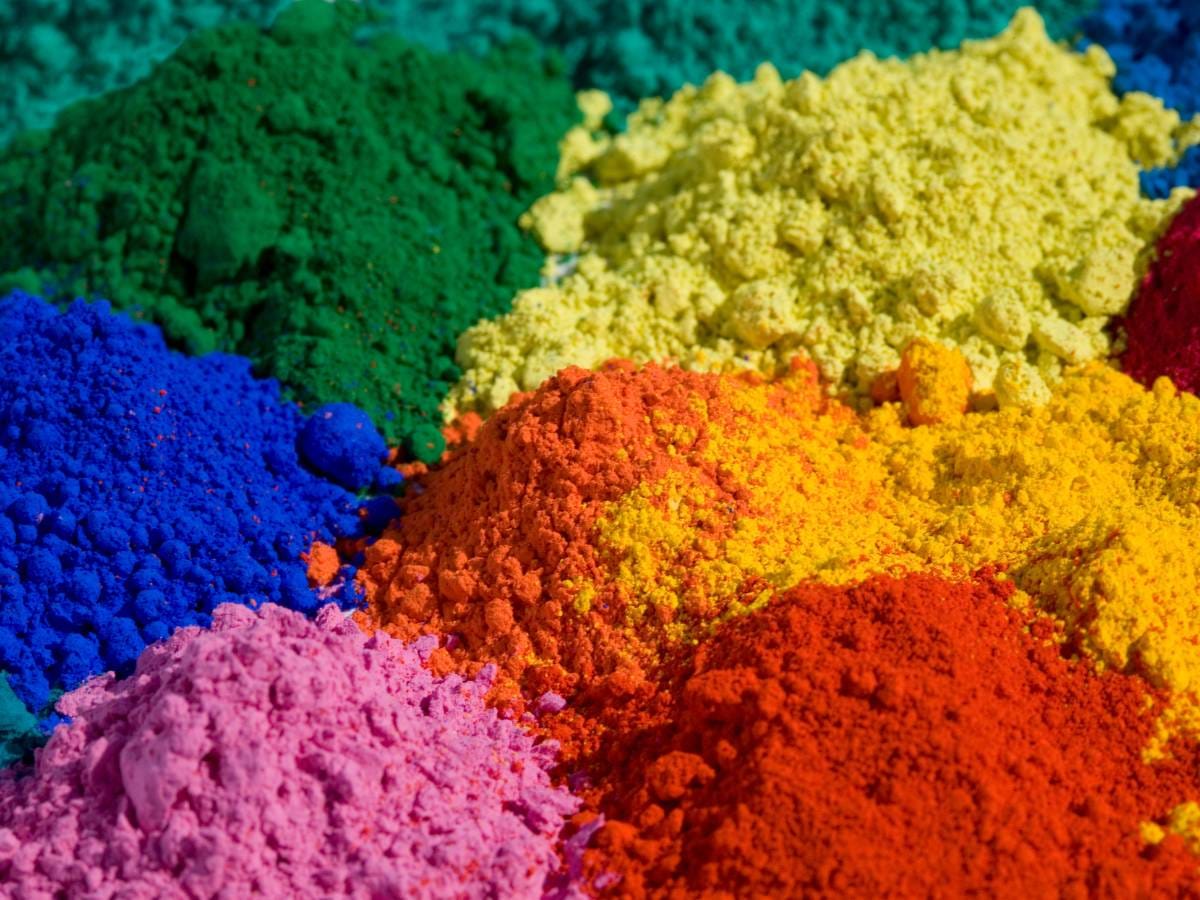
- Fillers: Fillers enhance the material’s properties, such as making it more resistant to impacts and improving its weight. This helps the surface withstand daily use while keeping its appearance.
- Binding Agents: These agents hold everything together, ensuring a uniform and strong material that can be shaped into different forms without losing its integrity.
Key Characteristics of Solid Surface
- Seamless Appearance: Solid surface can be joined without visible seams, creating a continuous, sleek look. This is especially useful for countertops and large installations.
- Non-Porous: Being non-porous, it resists stains and bacteria, making it perfect for kitchens and bathrooms. It’s also easy to clean, reducing maintenance over time.
- Repairable: One of the best features is its reparability. Minor scratches and damages can often be buffed out or fixed without replacing the entire surface, extending its lifespan.
- Versatile Design: KKR solid surface can be molded into various shapes and sizes, offering great design flexibility for unique applications in both homes and businesses.
- Wide Range of Colors and Patterns: It comes in many colors and patterns, allowing it to mimic natural stone or create unique looks. By the way, this variety helps designers achieve specific styles without sacrificing performance.

3. Understanding Quartz
Quartz surfaces are favored for their engineered qualities that blend aesthetics with functionality. Not only are they durable and easy to maintain, making them suitable for both residential and commercial applications, but the quartz market is also showing significant growth. It estimates that the market value will rise from USD 7.31 billion in 2024 to USD 8.98 billion by 2029 according to Mordor Intelligence.
Composition of Quartz
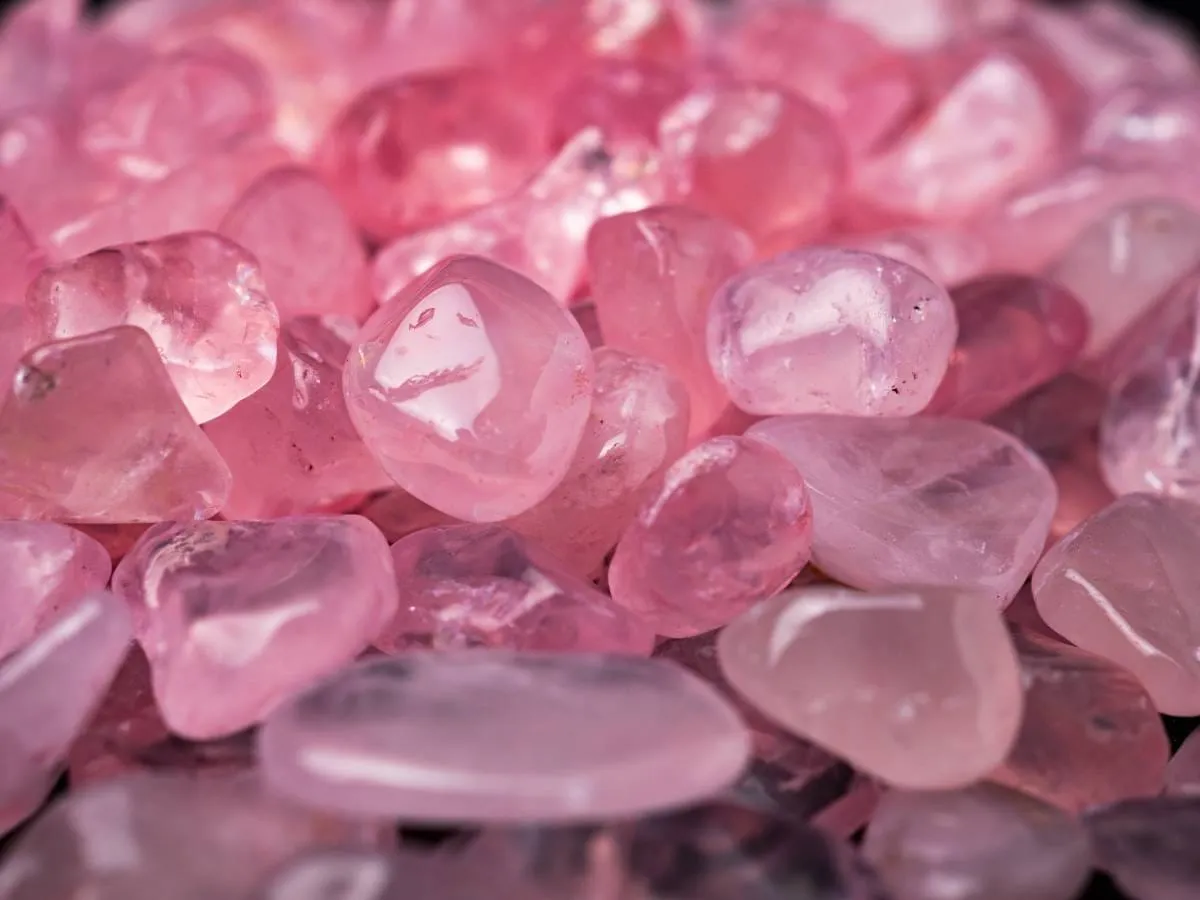
- Natural Quartz Crystals: Quartz surfaces are mostly made of natural quartz crystals, which make them strong and long-lasting. These crystals make up about 90-95% of the material.
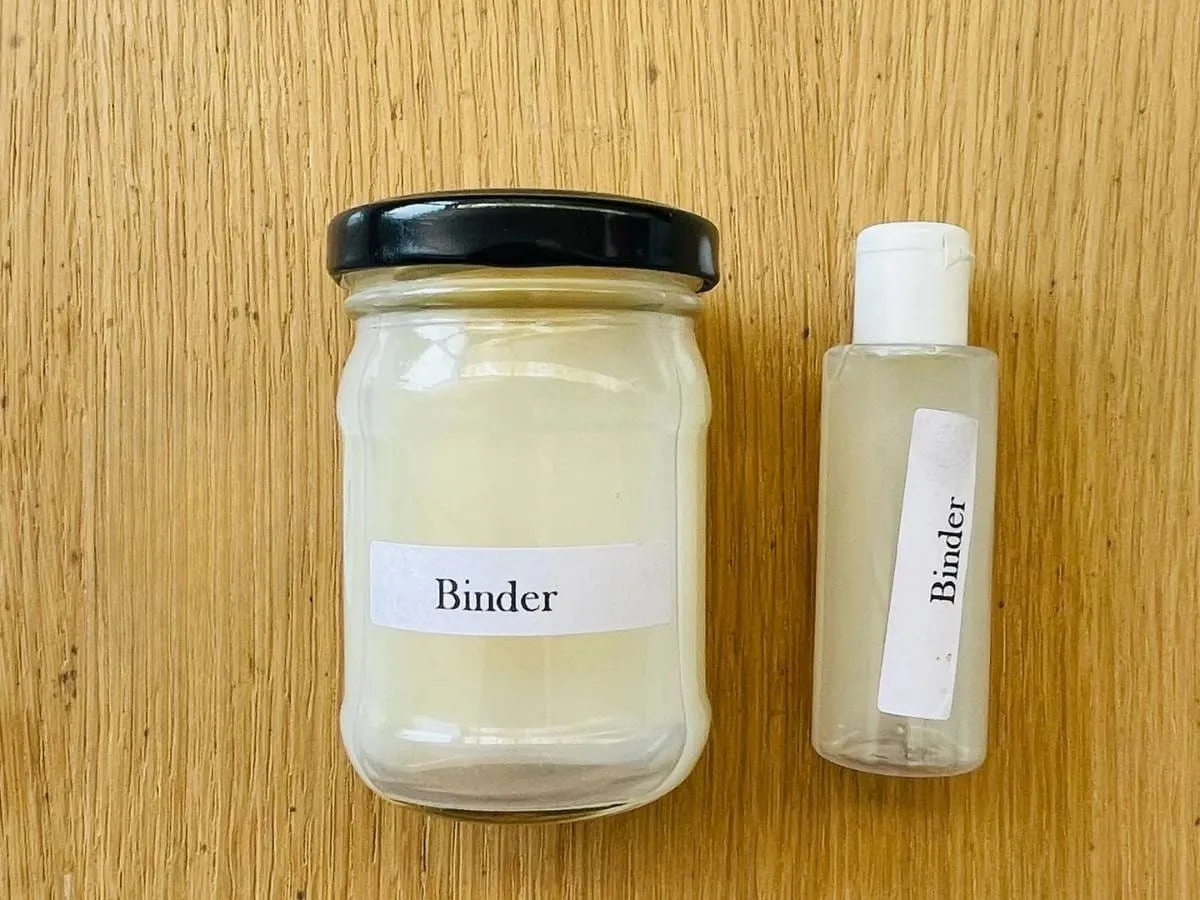
- Resin Binders: Resin binders hold quartz crystals together, giving the surface its solid structure. These binders also make non-porous nature of quartz, so it resists stains and spills.
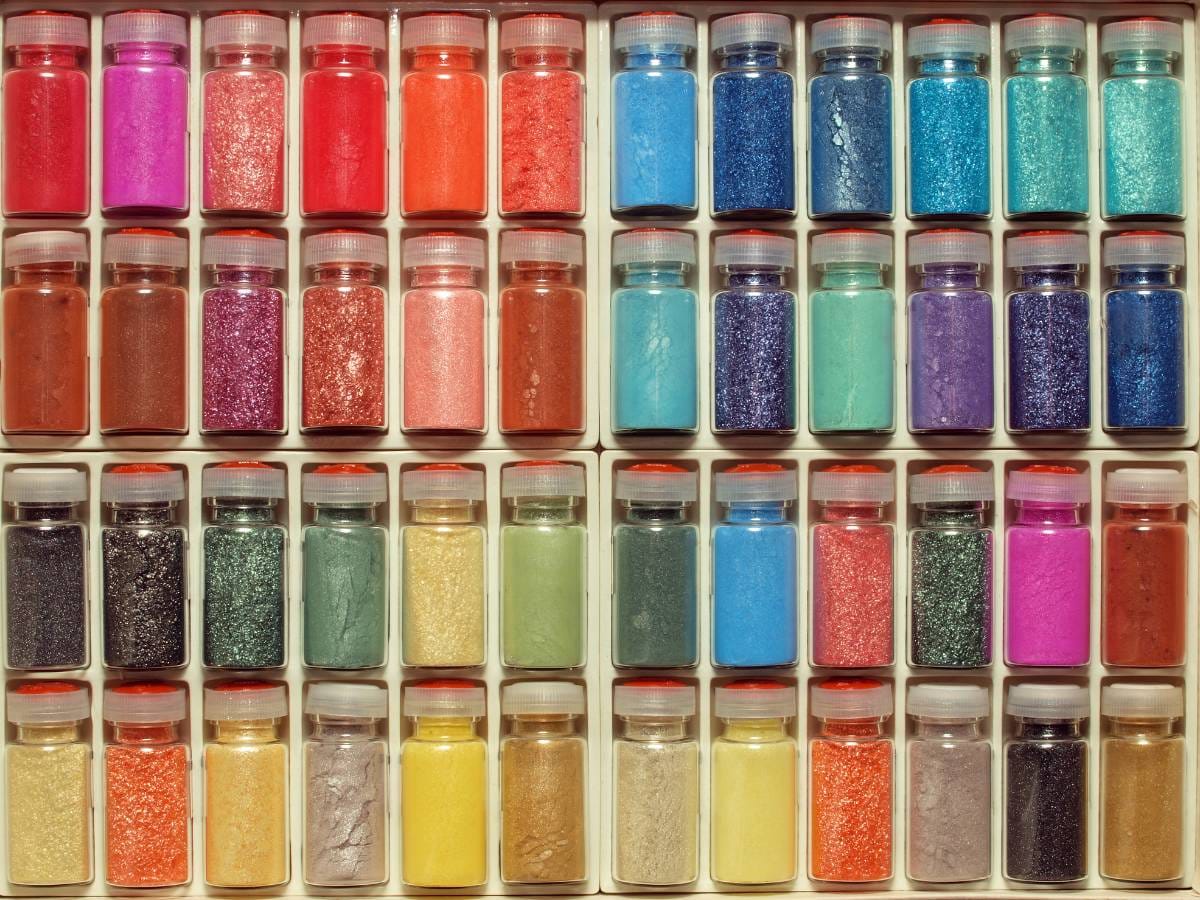
- Pigments: Pigments are added to create various colors and patterns, allowing for a wide range of design options.
- Additives: Different additives can be included to improve the surface’s performance, such as making it more scratch-resistant and UV stable.
- Aggregates: Sometimes, materials like recycled glass or metallic flecks are added to give quartz unique visual effects and make it look even more interesting.
Key Characteristics of Quartz
- Durability: Quartz is very durable and resistant to scratches, making it great for busy areas. It can handle daily use while still looking good for years.
- Non-Porous: Quartz doesn’t absorb liquids, which helps prevent stains and bacterial growth. This makes it easy to clean and maintain.
- Consistent Appearance: Unlike natural stone, quartz has a uniform color and pattern throughout the slab, allowing for seamless installations and predictable design results.
- Low Maintenance: Quartz requires minimal upkeep, needing only regular cleaning with mild soap and water. It doesn’t need to be sealed, which reduces maintenance compared to natural stone surfaces.
- Versatile Design Options: With many colors, patterns, and finishes available, quartz can match any design style, from modern to classic. No wonder it’s a popular choice for many projects.
4. Solid Surface vs Quartz: Key Difference
When choosing between solid surface and quartz for your projects, it’s important to understand their main differences. Each material has unique benefits that might be better for your specific needs. OK, I know what you’re thinking: Which one should I pick? Let’s take a look at the table below their differences:
| Feature | Solid Surface Specifics | Quartz Specifics |
| Chemical Resistance | Excellent resistance to most household chemicals. Ideal for kitchens and labs. | Very resistant, but vulnerable to high pH cleaners. |
| Seam Integration | Can be seamlessly bonded for continuous surfaces, ideal for custom designs. | Less visible seams, though color-matched adhesives are necessary. |
| Repairability | Easily repaired with sanding and filler, convenient for on-site maintenance. | Harder to repair; may need professional help for deep damage. |
| UV Stability | Sensitive to UV light, can discolor in direct sunlight. | Highly resistant to UV, maintaining color even in sunny spaces. |
| Thermal Formability | Can be thermoformed into creative shapes, expanding design options. | Shape is fixed post-manufacture, limiting customization but ensuring consistency. |
| Impact on Indoor Air Quality | Low VOC emissions, improving indoor air quality, suitable for sensitive environments. | Also emits low VOCs and often certified for indoor air quality. |
| Aesthetic Versatility | Highly customizable in colors and patterns, mimicking other materials effectively. | Offers a glossy, consistent look resembling natural stone. |
Understanding these features will help you decide which material is best for your needs, whether you care most about looks, how it works, or how easy it is to take care of. Making the right choice is important for your projects.
5. 5 Factors to Consider When Choosing Between Solid Surface and Quartz
Selecting between solid surface and quartz involves looking at several factors to make sure the material fits your project needs and goals. Each material has unique benefits for different uses and preferences. Here’s why these factors are important to consider:
#1 Budget Constraints
Budget is often a big factor in making a choice. Solid surface, like KKR solid surface, is a cost-effective option, especially for large, seamless installations like commercial countertops. For example, in a big retail space, a solid surface can save you a lot of money. Quartz, although more expensive, offers the high-end look of natural stone, which can be worth it for premium residential kitchens.
#2 Durability Requirements
Consider how much wear and tear the surface will face. Solid surface is easy to repair, making it a good choice for high-traffic areas like hospital reception desks or school lab counters where minor damage can happen. Quartz, known for its hardness, is better for places with heavy use and potential scratching, such as kitchen countertops or bathroom vanities in busy hotels.
#3 Aesthetic Goals
Think about the look you want for your project. Solid surface offers a seamless appearance with various colors and patterns, perfect for modern designs that need clean lines and integrated features. Quartz, which can look like natural stone, is great for a luxurious and timeless look, ideal for fancy spaces like upscale hotel lobbies.
#4 Design Flexibility
Consider how the material can be shaped or used in your design. Solid surfaces can be molded into unique shapes, allowing for creative designs like curved reception desks or custom-shaped tables. Quartz, while less moldable, provides a strong and uniform surface suitable for straightforward uses like tabletops or bathroom sinks in luxury apartments.
#5 Installation Complexity
Think about how complex the installation process is for each material. Solid surface is lightweight and can be cut and shaped on-site, which makes installation easier and reduces labor costs. For example, it can quickly adapt to fit unique spaces or complex layouts. Quartz, however, is heavier and usually requires professional installation with special tools, making it more labor-intensive and costly.
Conclusion
When choosing between solid surface and quartz, think about how each material fits your project goals. Solid surface is affordable and flexible in design, making it practical for many uses. Quartz gives a luxurious look that’s great for high-end projects where you want a natural stone appearance.
This comparison shows the strengths of both materials, helping you decide what’s best for your needs. If you’re considering solid surface, check out KKR’s products for quality options. Visit our website for expert advice on your next project.
Recommended Reading
Looking for more diverse product options? Browse through our handpicked selections:
For some insightful reads, we’ve curated a list of recommended articles just for you:
- Tips for Choosing the Right Solid Surface Material for Your Project
- What Is Corian Solid Surface Made Of?
- Top 8 Solid Surface Basin Manufacturers
Still haven’t found what you’re looking for? Don’t hesitate to contact us. We’re available around the clock to assist you.