








Considering a bathtub upgrade for your next project but unsure where to start? Choosing the right type of bathtub can significantly impact both the aesthetics and functionality of a bathroom.
As a bathroom designer, I often hear this question from our clients.
Don’t worry, with the right guidance and practical insights, selecting the perfect bathtub can be a straightforward process.
Free-standing bathtubs offer flexibility in placement, making them a versatile option. Built-in tubs are integrated into bathroom walls, optimizing space utilization. Walk-in bathtubs, with side door access, enhance safety and accessibility.
In this guide, you’ll find detailed comparisons and practical tips to help you navigate these options and select the most suitable bathtub for your projects.
So let’s get down to it!
1. Understanding the Basics of Bathtub
Bathtubs are a key part of bathroom design, offering various styles to fit different needs and spaces. Whether you prefer the luxurious look of free-standing models, the space-saving design of built-in tubs, or the safety features of walk-in options, there’s a bathtub to enhance any bathroom setup.
I know how relaxing a good soak can be after a long day. Research from PubMed even shows that bathing in a tub can reduce feelings of tiredness. This means that choosing the right type of bathtub is important not just for how bathroom looks, but also for comfort and relaxation.
2. Free-Standing Bathtub
Free-standing bathtubs are a popular choice for those seeking a touch of luxury and flexibility in bathroom design. Imagine the freedom to design a space exactly as you envisioned. Characterized by their self-supporting structure, these tubs stand alone without the need for wall support and can be positioned virtually anywhere in a room.
Pros
- Design Freedom: Can be installed anywhere in the bathroom, providing more layout flexibility.
- Visual Impact: Acts as a centerpiece, adding a luxurious and elegant touch to the bathroom.
- Ease of Access: Offers easier accessibility around all sides for cleaning and maintenance.
- Variety of Designs: Available in numerous styles, shapes, and materials to suit any decor.
- Installation Simplicity: Generally easier to install than built-in models, as they require no demolition or integration into existing structures.
Cons
- Higher Cost: Generally more expensive than other types due to the design and materials used.
- Space Requirements: Requires a larger bathroom space to accommodate placement and aesthetic presentation.
- Limited Storage: Lacks built-in shelving or edges for storing bath products, which can be inconvenient.
- Complex Plumbing: May require more complex and often exposed plumbing installations, which can be an aesthetic and practical challenge.
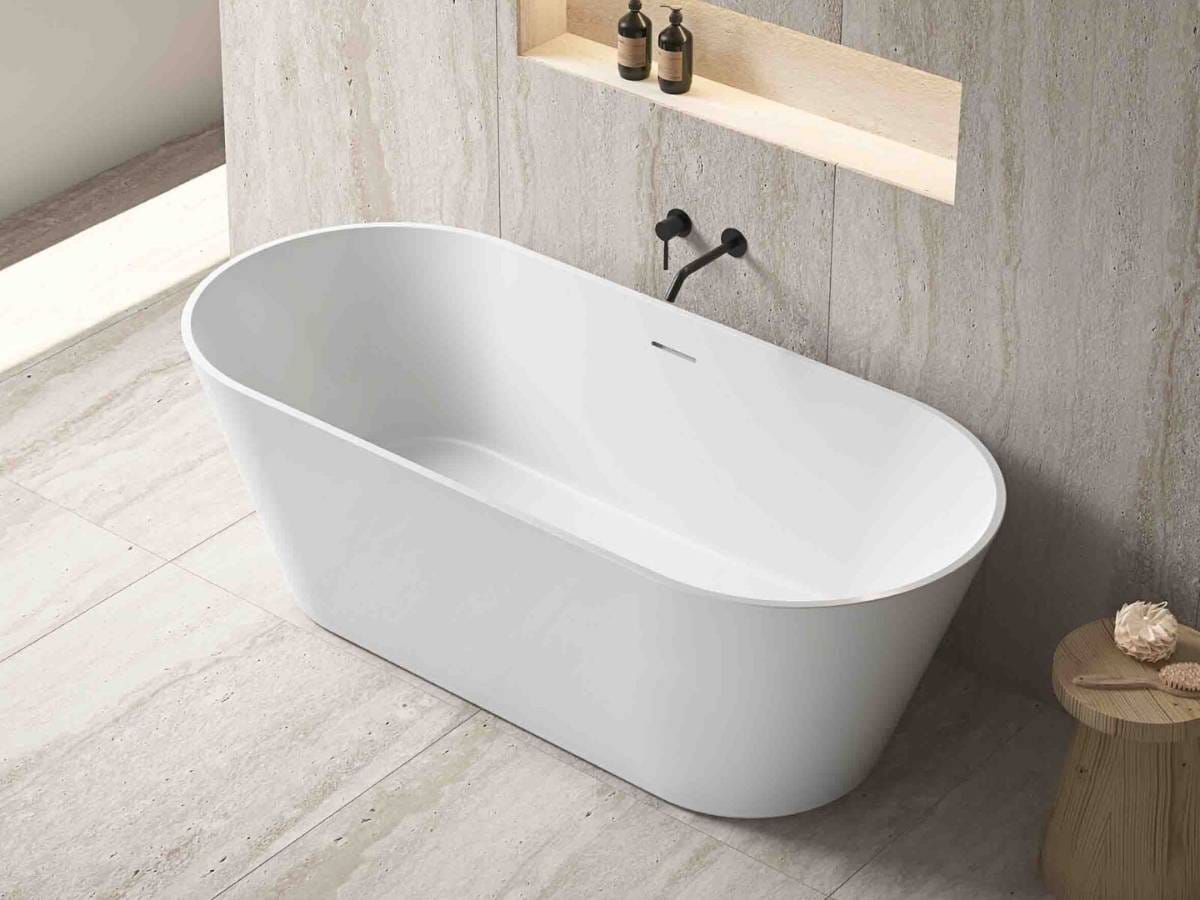
3. Built-In Bathtub
Built-in bathtubs fit directly into the bathroom’s layout, making them a great choice for small spaces. These tubs are placed against walls and often have a surround, which helps them blend smoothly with the bathroom design. For those who value both efficiency and style, a built-in tub uses every inch of space effectively.
Pros
- Space Efficiency: Maximizes the use of available space, perfect for smaller bathrooms.
- Easy to Clean: The enclosed design minimizes hard-to-reach areas, making cleaning simpler.
- Integrated Storage: Often includes surrounding ledges for easy access to bathing essentials.
- Water Containment: Better at preventing water spillage due to their enclosed design.
- Cost-Effective: Typically more affordable than free-standing options.
Cons
- Limited Placement Options: Requires a specific spot in the bathroom, reducing flexibility in design.
- Installation Complexity: May involve more complex plumbing and structural work.
- Potential for Mold: Enclosed areas around the tub can harbor moisture, leading to mold growth.
- Less Dramatic Design: Lacks the visual impact of a free-standing tub, offering a more subdued aesthetic.
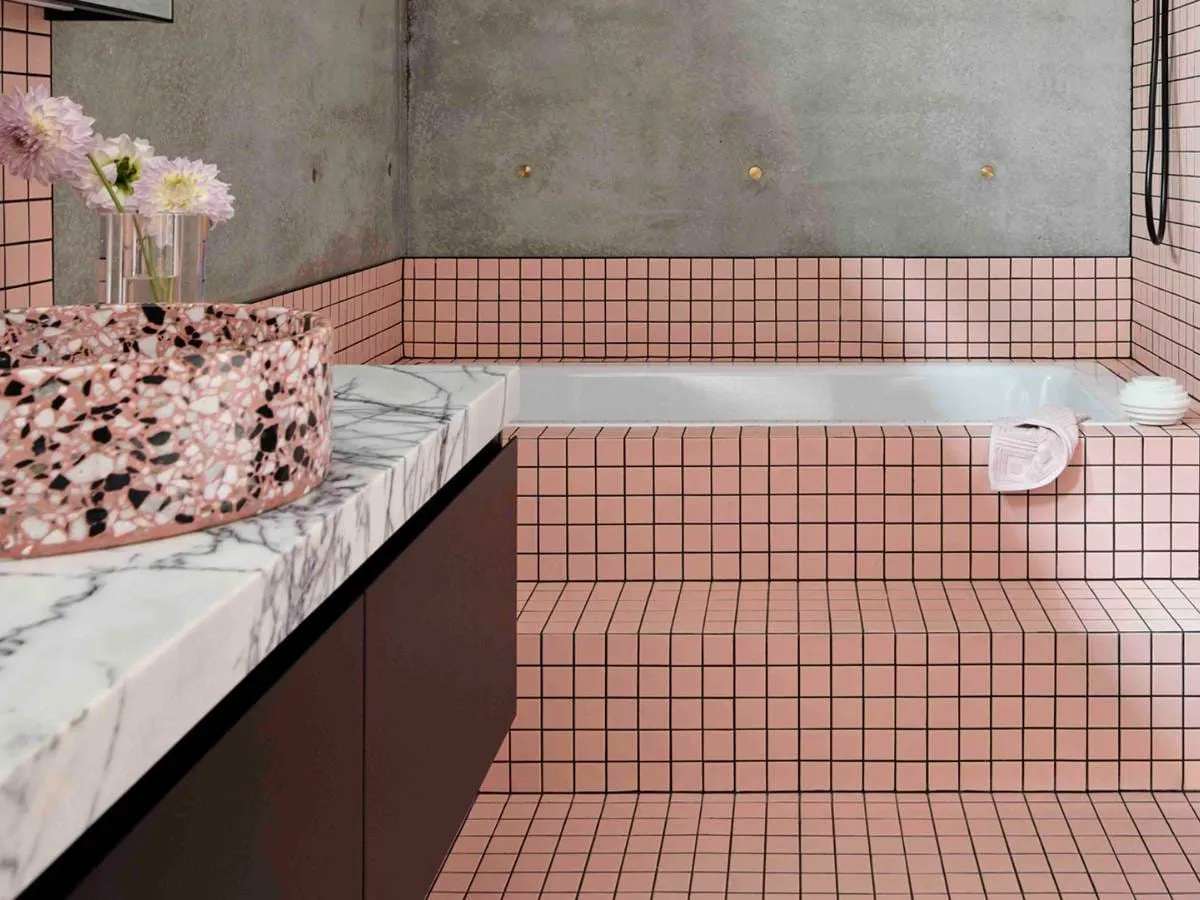
4. Walk-In Bathtub
Walk-in bathtubs are made for safety and easy use. They have a door that lets people enter without climbing over the side. This type of tub is a good choice if safety is important, especially for seniors and those with mobility issues. No doubt, it provides a safer and more comfortable bathing experience.
Pros
- Enhanced Safety: Features like low-entry thresholds, built-in handrails, and non-slip flooring reduce the risk of falls.
- Therapeutic Benefits: Often equipped with features like hydrotherapy jets, which can help relieve pain and improve circulation.
- Easy Access: The walk-in design eliminates the need to climb, making it accessible for individuals with limited mobility.
- Water Depth: Allows for deeper water levels compared to traditional tubs, enhancing the soaking experience.
- Independence in Bathing: Enables those with mobility restrictions to maintain their bathing independence.
Cons
- Water Sealing: Requires a watertight seal around the door, which can fail and lead to leaks.
- Slow Drainage: Users must remain inside the tub while it drains, which can be time-consuming.
- Higher Cost: Generally more expensive than traditional bathtubs due to specialized features.
- Complex Installation: May require professional installation and bathroom modifications to accommodate the tub’s design and features.

5. Free-Standing vs Built-In vs Walk-In: Key Difference
To help you choose the best bathtub for your needs, we’ve created a comparison table that shows the key differences between free-standing, built-in, and walk-in bathtubs:
| Feature | Free-Standing Bathtub | Built-In Bathtub | Walk-In Bathtub |
| Installation | Can be installed anywhere with floor support. | Needs to be built into a bathroom wall or corner. | Requires specific framing and often bathroom modification. |
| Design | Often acts as a focal point; various styles. | Integrated into the bathroom design; sleek, modern. | Designed for accessibility with safety features like doors. |
| Flexibility | High flexibility in placement and style. | Limited by wall placement; custom fit. | Limited flexibility; primarily functional design. |
| Accessibility | Generally requires stepping into the tub. | Usually requires stepping over the side. | Door entry eliminates the need to step over the side. |
| Cost | Varies widely depending on style and material. | Generally less expensive than free-standing. | Typically the most expensive due to specialized features. |
| Space Utilization | Requires more space, not ideal for tight spots. | Efficient in space usage, good for small bathrooms. | Needs ample space for door operation and access. |
| Water Efficiency | May require more water to fill due to size. | Typically uses less water than free-standing. | Deep design allows for full immersion with less water. |
| Maintenance | Easier to clean around; exposed sides. | Fixed position can complicate cleaning around edges. | Features like inward-opening doors need careful maintenance. |
| Aesthetic Impact | Provides a dramatic visual effect. | Blends into the overall bathroom aesthetics. | More utilitarian look, focused on function over form. |
With this detailed comparison, you should now have a better understanding of the benefits and limitations of each bathtub type. If you need expert advice or custom solutions, consider exploring KKR’s wide range of options.
6. 4 Tips to Consider When Choosing Bathtubs for Your Needs
Selecting the right bathtub involves more than just how it looks; it’s about finding the right fit for your needs. Here are key tips to help make a smart choice:
#1 Material Durability
Choose a material that not only looks good but also lasts a long time. Solid surface material, for example, is strong and easy to maintain, making it a better option compared to more fragile materials like fiberglass. It can resist stains and scratches, and minor damage can often be repaired easily to look new again.
#2 Tub’s Depth and Shape
Pick a bathtub depth and shape that fit your soaking preferences and physical needs. For a deep soaking experience, consider a free-standing tub with a depth of 15 to 20 inches and a contoured design. Built-in tubs, which often have a more conservative depth and straight sides, are better for quicker baths.
#3 Measure Your Space
Make sure the bathtub fits well in the bathroom, leaving enough room for other fixtures. For example, KKR’s free-standing tubs typically need at least 4 to 6 inches of space on all sides to look balanced and be easy to clean. This is important for both how your bathroom works and how it looks.
#4 Floor Reinforcement Needs
Check if the bathroom floor can support the weight of the bathtub. This is especially important for free-standing tubs made from heavier materials. You might need reinforced flooring to prevent damage and stay safe. This step is crucial for peace of mind and the longevity of your installation.
Discover Bathtub Options with Kingkonree
Choosing the right bathtub can be easier with a reliable partner. At KKR, we craft bathtubs that not only look great but also meet the functional needs of every project. Our wide range of options and commitment to quality help you find the perfect match for any design or requirement.
This guide is about more than just picking a bathtub; it’s about making informed decisions to enhance your spaces and projects. Knowing the differences and benefits of each bathtub type helps you choose the best fit for your needs. If you’re ready to take the next step in your project, contact us today.
Recommended Reading
For some insightful reads, we’ve curated a list of recommended articles just for you:
Still haven’t found what you’re looking for? Don’t hesitate to contact us. We’re available around the clock to assist you.