






How do you select the right bathtub for your needs? The answer lies in understanding the key factors that influence your decision.
As a bathtub manufacturer, I often encounter customers struggling to choose the perfect bathtub.
Here is a sneak peek at 2 of the key factors you need to consider:
- Analyzing Market Demand
- Evaluating Supplier Capabilities
In this guide, we will learn about various aspects that contribute to making the right choice. From market demand to warranty reviews, we’ll cover everything you need to know.
Let’s get started!
1. Analyzing Market Demand
By knowing what customers want, you can make smarter decisions and increase your profits. Below are steps to help you analyze market demand effectively:
- Research Trends: Look at the latest trends in the bathtub market. Check what styles and features are popular right now.
- Customer Feedback: Gather feedback from customers to see what they like or dislike about current bathtub options.
- Competitor Analysis: Study your competitors to understand what products they offer and how they market them.
- Sales Data: Review your past sales data to identify which types of bathtubs sold the best.
- Market Surveys: Conduct surveys to get direct input from potential customers about their preferences and needs.
2. Evaluating Supplier Capabilities
A reliable supplier provides timely delivery and consistent product quality. Here are steps to help you evaluate supplier capabilities:
- Check Production Capacity: Make sure the supplier can handle large orders and meet your demand.
- Quality Assurance: Verify that your suppliers use materials meeting industry standards and have strong quality control processes to produce durable and reliable bathtubs.
- Delivery Time: Ask about their delivery times to confirm they can meet your project schedules.
- Reputation: Research the supplier’s reputation by reading reviews and asking for references from other businesses.
- Customer Service: Evaluate their customer service to see how they handle inquiries, orders, and any potential issues.
Here’s a table that outlines the importance of evaluating customer service when selecting a manufacturer or service provider, highlighting the key aspects to consider and the benefits of effective customer support:
| Feature | Description | Benefit |
| Responsiveness | How quickly and effectively the company responds to inquiries, orders, and issues. | Ensures timely resolutions and updates, enhancing customer satisfaction. |
| Availability | Availability of customer service through various channels (phone, email, chat, etc.). | Provides multiple ways for customers to reach out for help, making it convenient to get support. |
| Problem Resolution | The ability of customer service to resolve issues satisfactorily and promptly. | Builds trust and confidence in the company’s ability to handle and rectify problems. |
| Professionalism | The degree of courtesy and knowledge demonstrated by customer service representatives. | Leaves a good impression, encouraging repeat business and referrals. |
| Support Resources | Availability of online resources such as FAQs, tutorials, and product manuals. | Empowers customers to find solutions quickly, reducing dependency on direct contact. |
3. Budget Considerations
Balancing cost with quality can help you make smart choices that benefit your business. Let’s explore the key steps to manage your budget effectively:
- Set a Clear Budget: Determine how much you can spend on bathtubs without stretching your finances.
- Compare Prices: Look at different suppliers and compare prices to find the best deals.
- Quality vs. Cost: Balance the cost with the quality of the bathtubs to get the best value for your money.
- Bulk Purchasing: A study shows that practical, money-saving attitudes often lead consumers to buy in quantity. Consider buying bathtubs in bulk to get discounts and reduce overall costs.
- Hidden Costs: Watch out for hidden costs like shipping, installation, or maintenance fees that might affect your budget.

4. Selecting Durable Materials
Durable materials help bathtubs withstand regular use and maintain their appearance over time. Let’s look at the steps to select the best materials:
Research Material Options
Learn about different materials and their durability. Below are some common bathtub materials:
- Acrylic: Acrylic bathtubs are lightweight and available in various styles and colors. They have a smooth, non-porous surface that makes them easy to clean and resistant to mildew and stains.
- Cast Iron: Cast iron bathtubs are incredibly durable and retain heat well, providing a luxurious bathing experience. They have a classic look and are coated with enamel to prevent rust, though they can be quite heavy and require strong floor support.
- Solid Surface: Solid surface bathtubs are made from a blend of resins and natural minerals. They offer a sleek, seamless look and are available in a variety of shapes and colors. KKR offers a wide range of high-quality solid surface bathtubs that meet these criteria, providing both style and durability for your projects.
- Porcelain on Steel: These bathtubs have a steel base coated with a layer of porcelain enamel. They are durable and less expensive than cast iron, but they can chip if struck with a heavy object.
- Stone Resin: Stone resin bathtubs combine natural stone and resin, offering a luxurious appearance with excellent heat retention. They are durable and come in various finishes, but they are also heavy and typically more expensive.

Check for Resistance
Choose materials that are resistant to stains, scratches, and chemicals to keep the bathtubs looking new. Below are some key factors to consider when checking for resistance:
- Stain Resistance: Select materials that resist staining from common bathroom products like soaps, shampoos, and bath oils. Materials like acrylic and solid surface are good options as they do not absorb stains easily.
- Scratch Resistance: Choose materials that can withstand everyday wear and tear without showing scratches. Cast iron and stone resin are known for their scratch-resistant properties.
- Chemical Resistance: Opt for materials that can resist damage from cleaning chemicals and other harsh substances. Fiberglass and solid surface materials are often designed to handle chemical exposure without degrading.
- Heat Resistance: Ensure the material can withstand hot water temperatures without warping or becoming damaged. Cast iron and stone resin bathtubs are excellent choices for heat resistance.
- Impact Resistance: Choose materials that can withstand impacts from dropped objects without chipping or cracking. Porcelain on steel and cast iron bathtubs offer good impact resistance, making them durable choices for long-term use.
Maintenance Needs
Select materials that are easy to clean and maintain to reduce long-term upkeep costs. Below are some key points to consider regarding maintenance needs:
- Ease of Cleaning: Choose materials that have smooth, non-porous surfaces which make cleaning simple and quick. Acrylic and solid surface bathtubs are easy to wipe down and maintain.
- Repairability: Opt for materials that can be easily repaired if damaged. Solid surface bathtubs, for instance, can often be sanded down to remove scratches and regain their original appearance. KKR’s solid surface bathtubs are a great choice for this reason, offering both durability and easy maintenance.
- Resistance to Mold and Mildew: Select materials that resist mold and mildew growth. Non-porous surfaces like acrylic and solid surface are less likely to harbor mold and mildew, making them more hygienic options.
- Durability: Choose materials that maintain their appearance and function over time with minimal effort. Cast iron and stone resin bathtubs are known for their long-lasting durability and low maintenance requirements.
- Maintenance Costs: Consider long-term maintenance costs. Some materials may be cheaper upfront but more expensive to maintain. Durable materials like cast iron might cost more initially but save money over time due to their longevity and low upkeep needs.
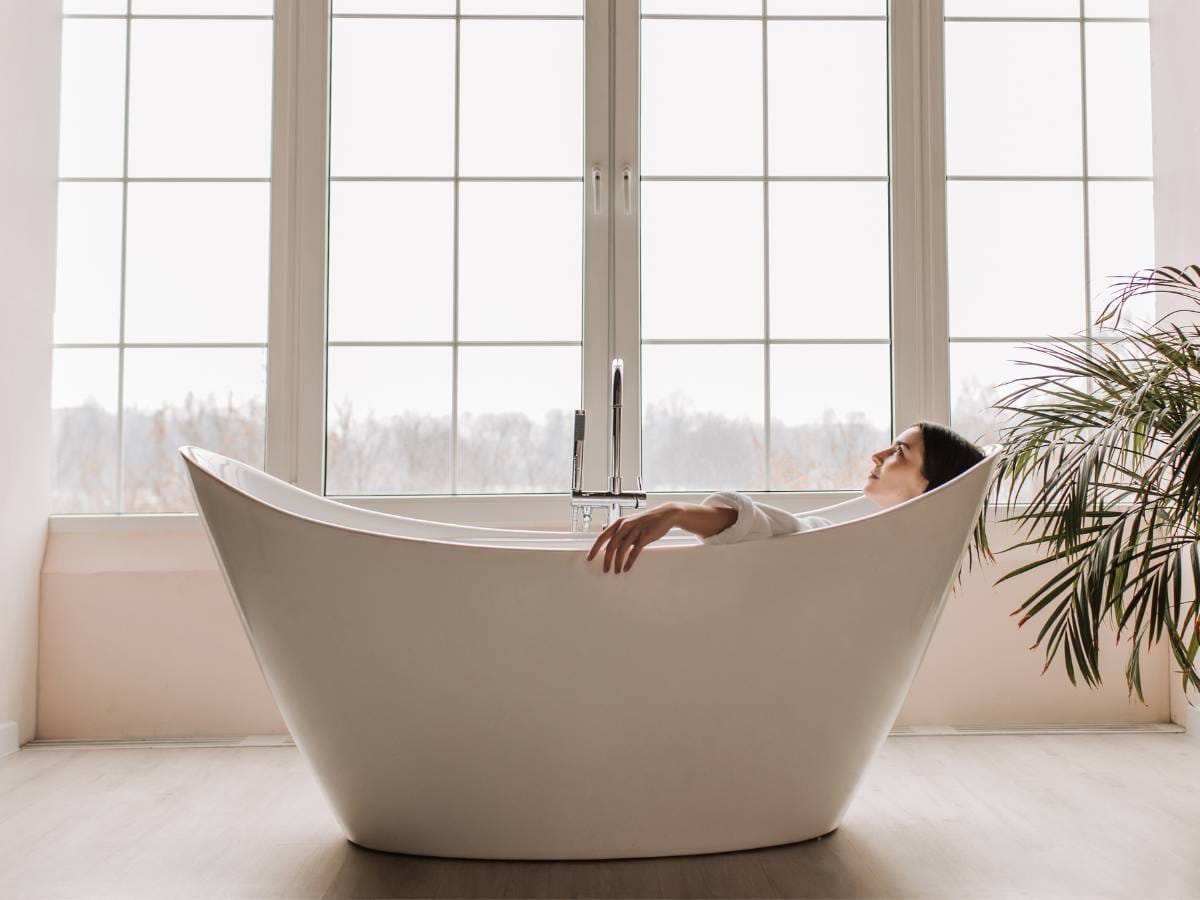
5. Prioritizing Comfort
A comfortable bathtub can enhance the user experience and boost your business’s reputation. Let’s explore how to prioritize comfort in your selection:
- Ergonomic Design: Choose bathtubs with designs that support natural body contours for a relaxing experience.
- Depth and Size: Select bathtub size that offer enough depth and space for users to stretch out comfortably. For example, a bathtub that is 20 inches deep allows for a full soak, providing a more relaxing experience.
- Built-in Features: Look for features like armrests, headrests, and non-slip surfaces that add to the comfort level.
- Testing and Feedback: Gather feedback from users and conduct tests to identify the most comfortable bathtub options.
6. Assessing Style Appeal
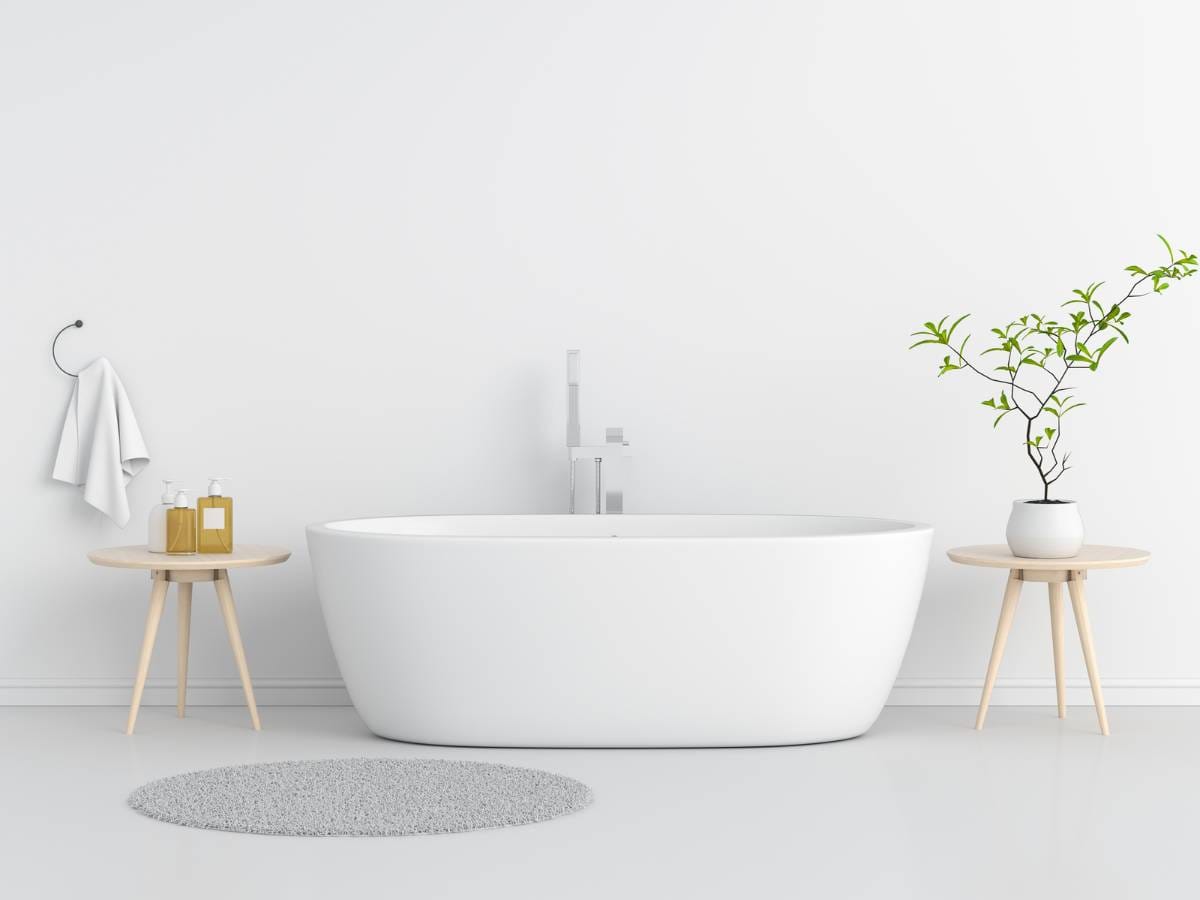
A well-chosen style can attract more buyers and fit seamlessly into various bathroom designs. Let’s look at how to assess the style appeal when selecting bathtubs:
- Current Trends: Stay updated with the latest design trends in bathtubs to offer styles that are in demand.
- Versatility: Choose styles that can complement different bathroom themes, from modern to traditional.
- Color Options: Offer a variety of colors to cater to different customer preferences and bathroom decors.
- Finish Quality: Pay attention to the quality of the finish, making sure it looks attractive and lasts long.
- Customer Preferences: Gather insights from customer feedback to understand which styles are most popular and sought after.
7. Essential Feature Checklist
Features can make a significant difference in user experience and satisfaction. Let’s explore the essential features to look for:
| Feature | Description |
| Non-Slip Surface | Provides safety by preventing slips and falls during use. |
| Armrests | Adds comfort and support, making the bathing experience more relaxing. |
| Headrests | Offers neck support and enhances comfort while soaking. |
| Drainage System | Efficient drainage system to avoid water pooling and allow easy maintenance. |
| Built-in Shelves | Provides space for storing bath essentials, enhancing convenience and organization. |
| Adjustable Jets | Offers a customizable massage experience, enhancing relaxation and comfort. |
| Temperature Control | Allows users to set and maintain their desired water temperature. |
| Easy-Clean Finish | Makes cleaning and maintenance simpler, keeping the bathtub looking new longer. |
| Sound System | Integrated sound systems for a more enjoyable and relaxing bathing experience. |
| Lighting Options | Mood lighting or chromotherapy features to enhance the bathing experience. |
| Water-Saving Features | Eco-friendly options that help conserve water without compromising on experience. |
| Warranty Coverage | Provides long-term reliability and customer satisfaction with the product. |
8. Warranty Review
Reviewing the warranty is an important step when selecting bathtubs. A good warranty can save you time and money by covering potential issues. Let’s go through the key steps to consider during a warranty review:
- Length of Coverage: Check how long the warranty lasts. Longer coverage often means better protection.
- What’s Included: Understand what parts and issues the warranty covers, such as leaks, cracks, or manufacturing defects.
- Exclusions: Look for any exclusions or conditions that might void the warranty, like improper installation or certain cleaning methods.
- Claim Process: Find out how to file a claim if something goes wrong. The process should be straightforward and hassle-free.
- Service and Support: Assess the level of customer service and support provided by the manufacturer for warranty claims. Good support can make a big difference.

Conclusion
Selecting the right bathtub can make a significant difference for your business. This guide helps you understand market demand, evaluate suppliers, manage budgets, and choose durable, comfortable, and stylish bathtubs. By following these steps, you can make informed decisions that enhance customer satisfaction and boost your profits.
For businesses looking for more information on top-quality bathtubs, KKR offers expert advice and a wide range of options to meet your needs. Contact us today to learn more.
Recommended Reading
Looking for more diverse product options? Browse through our handpicked selections:
For some insightful reads, we’ve curated a list of recommended articles just for you:
- How To Tell Bathtub Material?
- What Is Solid Surface Bathtub?
- Solid Surface Bathtubs: What Are the Pros and Cons?
- Free-Standing vs Built-In vs Walk-In: How To Choose Bathtub
Still haven’t found what you’re looking for? Don’t hesitate to contact us. We’re available around the clock to assist you.