








Are you considering incorporating solid surface bathtubs into your product lineup? Understanding the pros and cons of these bathtubs can help you make informed investment decisions for your business.
With years of experience in the bathtub industry, I know what makes a bathtub truly exceptional. Trust my insights to guide your choices.
Solid surface bathtubs have distinct advantages and a few downsides. Understanding these pros and cons can help you decide if they’re the right fit for your projects.
In this guide, you’ll discover the pros and cons of solid surface bathtubs. We’ll cover everything from their benefits to potential drawbacks, helping you make informed decisions.
Let’s jump in!
1. Overview of Solid Surface Bathtubs
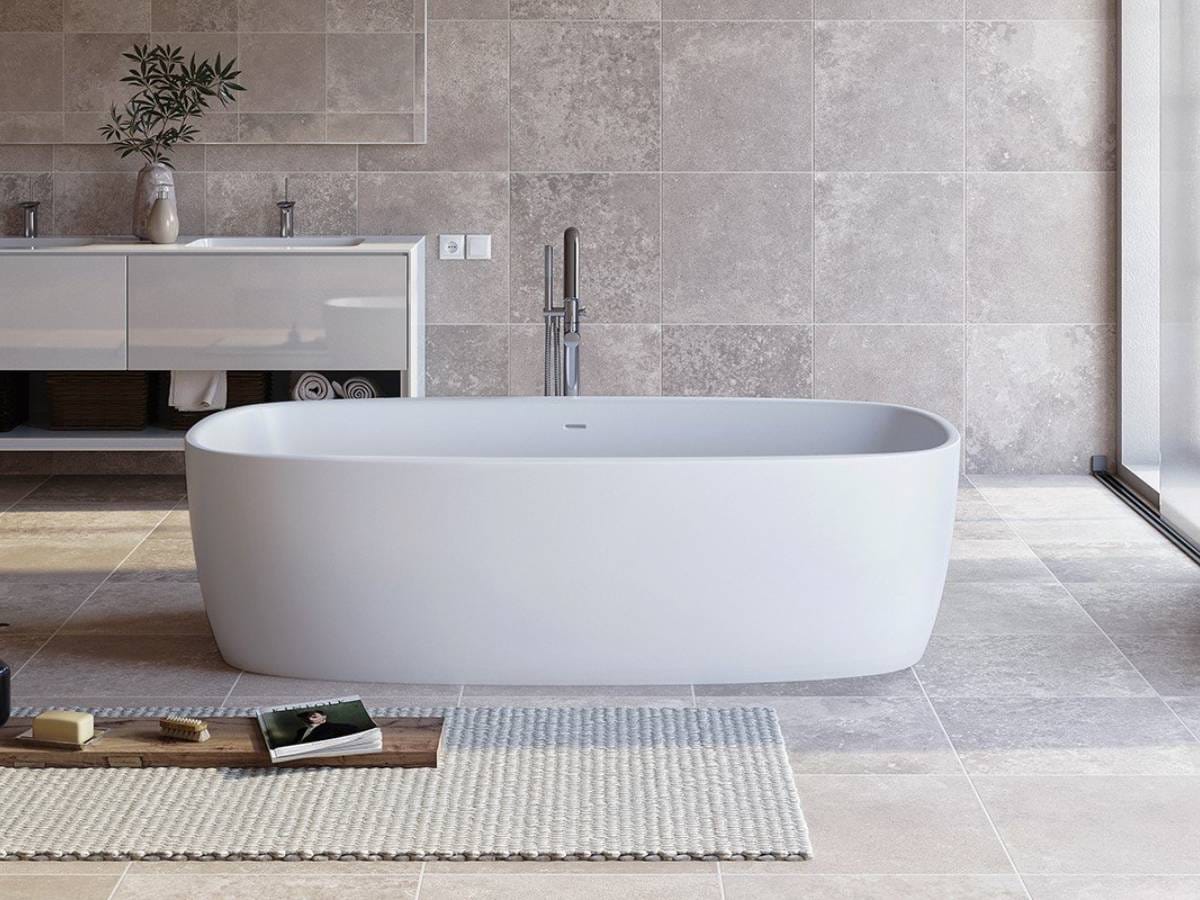
Solid surface bathtubs are crafted from a blend of natural minerals and high-performance resins. This combination creates a non-porous, seamless surface that is both durable and easy to maintain. These bathtubs are popular for their sleek and modern look, which fits well in any bathroom design. They also resist stains, scratches, and mildew, producing long-lasting beauty.
Now, this is important, solid surface bathtubs are not just about aesthetics. They also offer practical benefits like excellent heat retention and comfort. The material allows for a variety of shapes and sizes, making it easy to customize. These bathtubs can be repaired if damaged, ensuring they stay looking new for years.
2. Pros of Solid Surface Bathtubs
Solid surface bathtubs offer many advantages that make them a popular choice for businesses seeking quality and style. Here are some pros they bring to the table:
Low Maintenance
Solid surface bathtubs require minimal maintenance. Their non-porous surface resists mold and stains, making them easy to clean. As a matter of fact, regular wiping with a damp cloth is usually all that’s needed to keep them looking good.
Hygienic
The non-porous nature of solid surface bathtubs makes sure that bacteria and germs cannot penetrate the surface. This makes them a very hygienic option for bathrooms. For example, if you need a bathtub for your hotel business that is easy to clean and maintain, a solid surface option will prevent the growth of mold and mildew.
Thermal Comfort
KKR’s solid surface bathtubs have excellent thermal properties. They retain heat well, providing a warm and comfortable bathing experience. The material feels warmer to the touch compared to other options. This enhances the overall comfort for users.
Eco-Friendly Options
These bathtubs can be made with eco-friendly materials. Many manufacturers use recycled content in their production processes. This makes them a good choice for businesses that want to reduce their environmental impact. Choosing these bathtubs helps support sustainability efforts.
Durability
Solid surface bathtubs are highly durable and resistant to cracks and chips. The material is strong enough to withstand daily use and impact, making it a long-lasting option for both residential and commercial settings. This durability makes sure that the bathtub maintains its appearance and functionality over time.
Consistent Color and Finish
Solid surface bathtubs maintain consistent color and finish throughout the material, unlike natural stone, which can have variations. This consistency guarantees that the bathtub’s appearance remains uniform, even if it needs repairs or modifications. The uniform color also contributes to a cohesive and polished bathroom design.
Seamless Design
One of the key pros of solid surface bathtubs is their seamless design. The material allows for a continuous, smooth surface without visible seams or joints. This not only enhances the aesthetic appeal but also simplifies cleaning, as there is no dirt and grime can accumulate.
3. Cons of Solid Surface Bathtubs
While solid surface bathtubs offer many advantages, they also come with certain drawbacks. It’s important to consider these cons to make a well-rounded decision for your business. Here are some of the main cons of solid surface bathtubs:
Higher Cost
Solid surface bathtubs can be expensive compared to other materials. The high-quality materials and manufacturing processes contribute to their higher price. This initial investment might be a concern for those on a tight budget, but despite that, I assure you that KKR’s solid surface bathtub is worth purchasing.
Weight Considerations
It is heavier than acrylic or fiberglass options. The extra weight can make installation more challenging and may require additional structural support. This can increase both installation time and costs. According to Hunker, the normal bathtub weighs from 70 pounds. I guess this solid surface bathtub exceeds the weight of just an ordinary bathtub.
Longer Manufacturing Times
Solid surface bathtubs often have longer manufacturing and delivery times. For example, custom designs and high demand can lead to delays, making it essential for businesses to plan ahead to accommodate these timelines. This can affect project schedules and planning, necessitating careful coordination to achieve timely completion.
Potential for Fading
Over time, solid surface bathtubs exposed to direct sunlight may experience some fading. UV exposure can cause the colors to lose their vibrancy. This is particularly important to consider in bathrooms with large windows or skylights.

4. Comparison with Other Types of Bathtub
When choosing a bathtub, it’s essential to compare different materials to find the best fit for your business needs. To guide you, here are the different comparison with other types of bathtub to help you make an informed decision:
| Feature | Solid Surface | Acrylic | Porcelain |
| Appearance | Luxurious, modern look; seamless finish. | Glossy finish, wide range of colors. | Classic, glossy finish; often white. |
| Durability | Highly durable, resists scratches and stains. | Less durable, prone to scratches. | Very hard, but can chip or crack. |
| Maintenance | Easy to maintain, non-porous surface. | Easy to clean, but can discolor over time. | Easy to clean, but can wear down with harsh cleaners. |
| Heat Retention | Excellent heat retention. | Good heat retention. | Moderate heat retention. |
| Cost | Typically more expensive. | Generally less expensive. | Can vary, generally mid-range price. |
| Weight | Heavier, requires strong support. | Lightweight, easy to install. | Heavy, requires solid support. |
| Repairability | Can be repaired if damaged. | Repairs can be noticeable. | Difficult to repair if chipped or cracked. |
Upgrade Bathroom Space with Custom Solid Surface Bathtub from KKR
When considering the pros and cons of solid surface bathtubs, it’s clear they offer many benefits that can enhance any bathroom space. At KKR, we specialize in creating high-quality solid surface bathtubs that combine durability with elegant design. Our products are designed to meet the needs of businesses looking for both style and functionality.
This article provides valuable insights to help you understand the advantages and potential drawbacks of solid surface bathtubs. By comprehending each aspect, you can make informed decisions that will benefit your business. KKR is committed to delivering top-notch products and exceptional customer service. For more information, please contact us today!
Recommended Reading
For some insightful reads, we’ve curated a list of recommended articles just for you:
Still haven’t found what you’re looking for? Don’t hesitate to contact us. We’re available around the clock to assist you.