






When architects, millwork fabricators, contractors, and property owners need an interior surfacing material that machines like hardwood yet performs like non-porous stone, solid surface sheets offer a practical, adaptable solution. Manufactured as flat, homogeneous panels from a precise blend of mineral fillers, polymer-binding resins, and pigments, a solid surface sheet maintains the same material composition from its top face to its bottom face. Because there is no thin laminate layer or fragile surface glaze to peel away, solid surface material can be cut, routed, joined with color-matched adhesives to form inconspicuous seams, and sanded on site if superficial scratches occur over years of daily use.
Buyers researching solid surface panels often run into scattered information across brand brochures and retail stores. Fabricators want to know the difference between pure acrylic and modified acrylic resin grades, contractors want to know which panel widths minimize seam labor, and homeowners want to know why some shower wall panels look like real stone while others look like cheap plastic. This guide answers those exact questions in a clear step-by-step hierarchy so you can select, specify, and source the right sheets for your project.
1. What Are Solid Surface Sheets and What Are They Made Of?
Solid surface sheets are engineered, flat surfacing panels manufactured for subsequent fabrication into countertops, vanity tops, wet-wall surrounds, commercial reception desks, and custom furniture components. Unlike quarried granite or marble slabs that form through geological processes with unpredictable fissures and porosity, solid surface material is produced in a controlled factory casting process so color, thickness, and structural density remain uniform from sheet to sheet.
Every solid surface sheet is built from three core ingredients:
- Mineral Fillers: Fine mineral powder, primarily aluminum trihydrate (ATH) derived from bauxite ore, makes up roughly two-thirds of the formulation. This mineral backbone gives the sheet its dense, stone-like weight, fire-retardant properties, and structural rigidity.
- Binding Resins (Acrylic or Polyester): Liquid polymer resins act as the binder that locks the mineral fillers and pigments into a non-porous matrix once cured. The specific resin system selected determines whether the sheet can be heated and bent (thermoformed) and how much the raw slab costs.
- Pigments and Decorative Particulates: Color pigments, translucent chips, or engineered veins are mixed throughout the liquid batch before casting, creating solid colors, speckled terrazzo grains, or flowing marble patterns that run through the thickness of the slab.
2. Material Grades: 100% Pure Acrylic vs. Modified Acrylic Sheets
On the US market, major manufacturers and distributors divide solid surface sheets into two primary resin classifications: pure acrylic and modified acrylic. Choosing the right grade depends on whether your design involves curved thermoforming or flat, budget-conscious runs.
100% Pure Acrylic Solid Surface Sheets
Formulated with an acrylic resin binder (polymethyl methacrylate, or PMMA), 100% pure acrylic solid surface sheets are engineered for high-end architectural fabrication, healthcare environments, and complex curved millwork.
- Controlled Thermoforming for Curves: When heated in a specialized thermoforming oven to roughly 300°F to 340°F (150°C to 170°C), pure acrylic sheets become pliable. Skilled fabricators can bend them over molds to create curved reception counters, rounded wall columns, and contoured vanity aprons.
- High Color Fastness and UV Stability: Pure acrylic formulations resist fading and yellowing in bright indoor spaces, keeping white and pastel surfaces crisp over long lifecycles.
- Seamless Fabrication Performance: Pure acrylic bonds reliably with two-component methacrylate seam adhesives, making it the preferred choice for long, multi-slab commercial worktops and integrated sink assemblies.
Modified Acrylic (Polyester-Blended) Solid Surface Sheets
Modified solid surface sheets use an acrylic and polyester-blended resin system to bind the mineral fillers.
- Ideal for Flat, Straight Installations: While modified acrylic sheets are stiffer and less bendable than pure acrylic, they are exceptionally sturdy for flat installations such as straight kitchen countertops, tabletops, window sills, and flat solid surface wall panels.
- Budget-Friendly Project Value: For multi-unit residential developments, hotel vanity programs, or retail rollouts that do not require intricate thermoformed curves, modified acrylic sheets deliver non-porous, stain-resistant performance at a lower material cost per square foot.
3. Four Visual Design Families of Solid Surface Sheets
Modern manufacturing allows solid surface material to replicate everything from minimalist monochrome blocks to dramatic natural stone slabs. When preparing a design specification, buyers typically choose from four visual categories:
- Solid Color and Fine Particulate Sheets: Uniform colors and subtle micro-grain sheets provide a clean, contemporary direction for modern kitchens, hospital stations, and corporate furniture. Solid whites and fine particulates create a bright, consistent work surface where seams are easiest to blend.
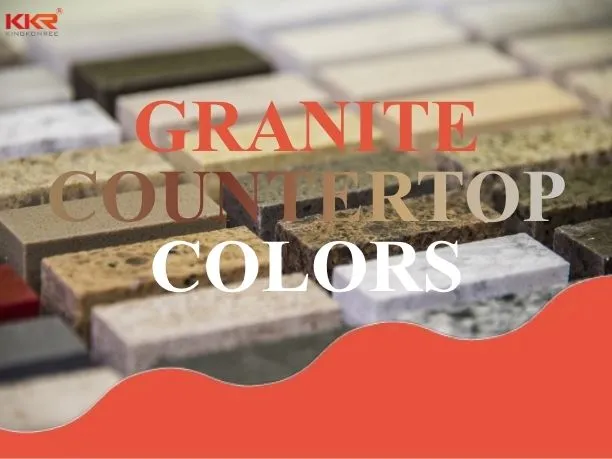
- Textured Marble-Look Solid Surface Sheets: Engineered to reproduce the veining, movement, and depth of Calacatta, Carrara, and Pietra Grey stone without the porosity or brittle fissures of real marble, our textured marble solid surface collection offers wide pattern variety for luxury vanity tops, shower walls, and feature walls.
- Grain and Terrazzo-Look Solid Surface Sheets: Featuring small-chip or large-chip decorative aggregates suspended inside the resin matrix, terrazzo-style sheets deliver the speckled look of poured terrazzo without the weight, cracking, or sealing demands of cementitious slabs.
- Translucent Solid Surface Sheets: Formulated to allow natural or artificial light to pass through the slab, translucent panels turn backlit bar counters, hotel reception desks, and lighting plates into illuminated architectural features.
4. Standard Sheet Sizes, Thicknesses, and How They Impact Installation
Choosing the right dimensions and thickness for your solid surface sheets directly impacts material waste, seam placement, and installation labor. Matching the slab footprint to the room layout reduces unnecessary joints. (Note: Standard dimensions below lead with US inches followed by millimeters in brackets; confirm exact model dimensions with your supplier prior to ordering.)
Common US and Metric Sheet Dimensions
| Standard Size (Inches) | Metric Size (mm) | Primary Use | Seam Impact |
| 30 x 96 in | 760 x 2440 mm | Bathroom vanities, compact counters | Fits tight doorways easily |
| 30 x 120 in | 760 x 3050 mm | Standard kitchen countertops | Covers 10 ft runs seamlessly |
| 30 x 144 in | 760 x 3680 mm | Long counters, commercial bar tops | Covers 12 ft runs seamlessly |
| 36 x 96 in | 900 x 2440 mm | Deep islands, workbenches | Eliminates lengthwise island seams |
| 36 x 120 in | 900 x 3050 mm | Large kitchen islands | Full 10 ft island coverage |
| 48 x 96 in | 1220 x 2440 mm | Shower wall panels, furniture | Covers 4 x 8 ft wall sections |
| 48 x 144 in | 1220 x 3680 mm | Full-height commercial walls | Minimizes vertical wall joints |
| 60 x 144 in | 1525 x 3680 mm | Conference tables, oversized islands | Maximum single-slab coverage |
Standard 30 in (760 mm) widths suit standard 24 in (610 mm) base cabinets with a front overhang, whereas 36 in (900 mm) and 48 in (1220 mm) sheets reduce seam labor on deep kitchen islands and walk-in shower surrounds.
Selecting the Right Thickness: 1/4 in (6 mm) vs. 1/2 in (12 mm) vs. 3/4 in (20 mm)
- 1/4 in (6 mm): Primarily specified for vertical solid surface wall panels, tub surrounds, and backsplashes. In bathroom remodels, 1/4 in (6 mm) panels are prized because their profile matches the thickness of standard ceramic tile, meaning installers can adhere them over backer board without altering existing plumbing valve rough-in depths.
- 1/2 in (12 mm): The industry-standard thickness for horizontal solid surface countertops, bathroom vanity decks, and heavy-duty shower walls. When homeowners want thicker shower walls that allow polished exposed outer edges or CNC-routed tile grooves without trim strips, 1/2 in (12 mm) panels provide a substantial, rigid feel.
- 3/4 in to 1-1/4 in (20 mm to 30 mm): Used for heavy commercial tabletops, freestanding reception desks, and specialty architectural elements where a thick slab profile is specified without a built-up drop edge.
5. Key Applications: Countertops, Shower Walls, and Commercial Interiors
Because solid surface sheets can be cut, machined, and bonded into almost any interior form, they serve four primary building applications:
1. Kitchen Countertops and Worktops
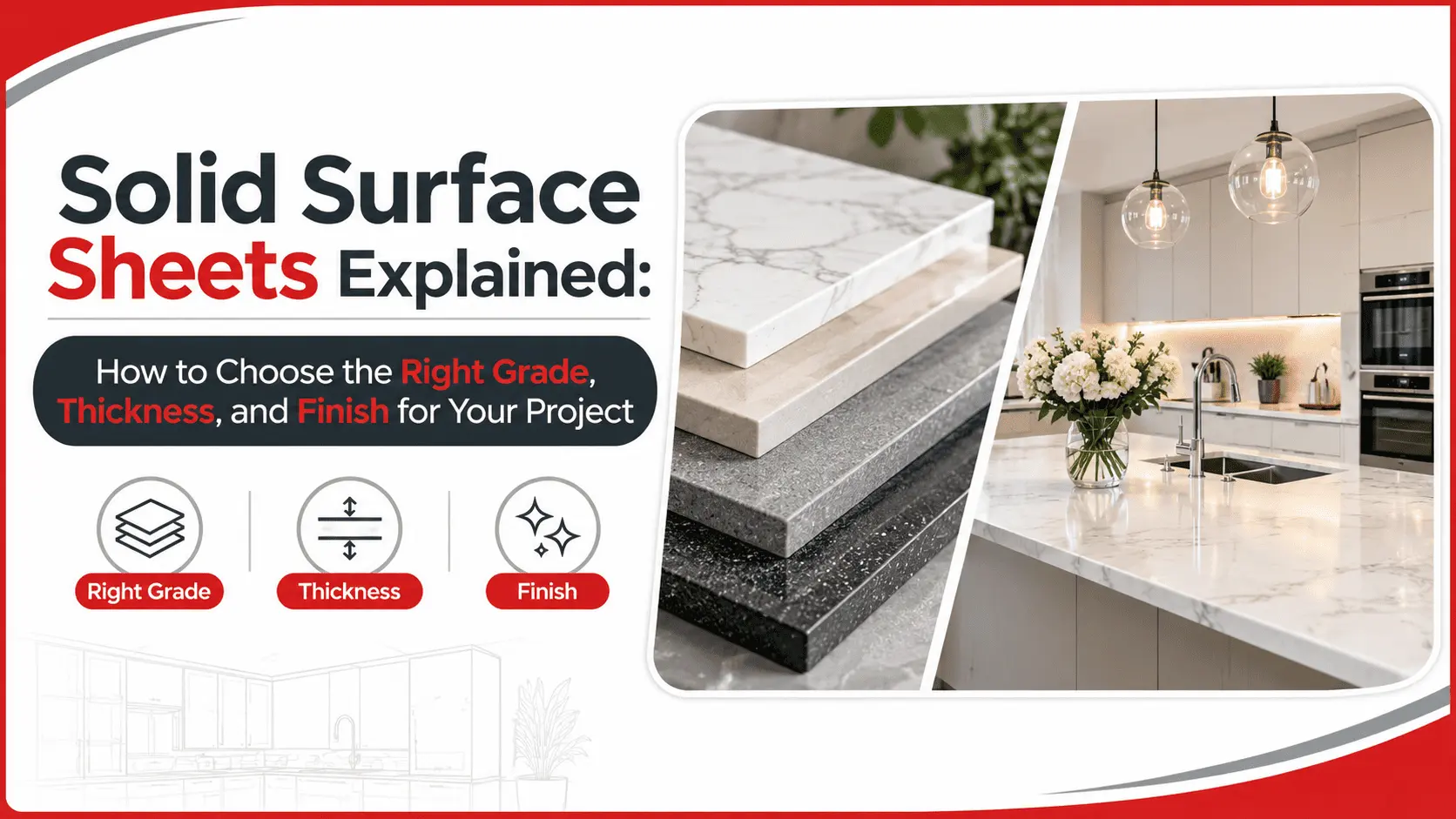
In residential and multifamily kitchens, solid surface countertops are valued for their non-porous food prep surface and ability to integrate sinks and backsplashes with smooth, easy-to-wipe transitions. Fabricators often build up the front edge of a 1/2 in (12 mm) sheet using a mitered or stacked edge strip to create a thick 1-1/2 in (38 mm) or 2 in (50 mm) visual profile while keeping the main deck weight manageable over standard base cabinets.
2. Solid Surface Sheets for Walls and Shower Surrounds
Homeowners and hotel operators frequently replace tiled shower enclosures with solid surface sheets for walls to eliminate the endless scrubbing of moldy cement grout. When comparing shower wall options such as cast stone panels, thin acrylic inserts, or custom solid surface slabs, three practical factors stand out:
- Thin glued PVC or low-grade acrylic surrounds can look artificial and flex when leaned against.
- Budget panels that merely paint or print faux subway tile lines onto a flat board can look flat and wear down over time.
- True solid surface panels give you two durable design paths: either install full-height slabs with authentic through-body stone veining or smooth matte color for a minimalist, zero-grout look, or have your fabricator CNC-rout physical subway tile channels into a 1/2 in (12 mm) solid surface panel so the texture is permanent and waterproof.
3. Commercial Countertops, Reception Desks, and Food Court Tables
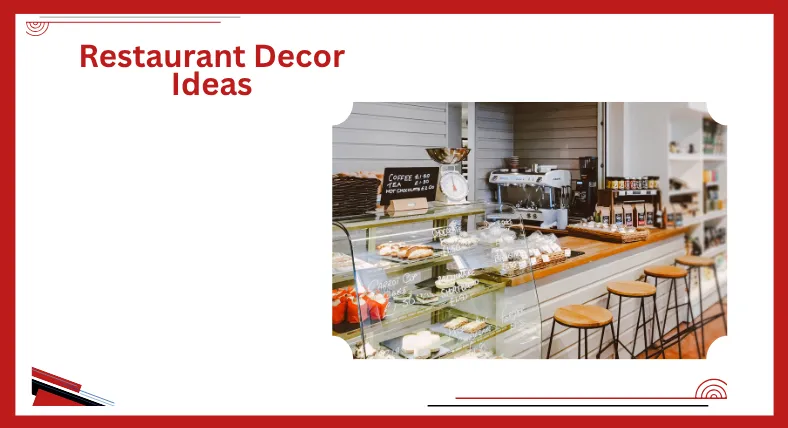
In offices, retail stores, restaurants, and shopping malls, custom solid surface sheets are fabricated into curved reception desks, coffee shop counters, and restaurant dining tables. Precision CNC cutting ensures multi-piece commercial counters align cleanly without uneven lippage.
4. Healthcare and Medical Facilities
Hospitals, clinics, and laboratories specify non-porous, hygienically sealed solid surface panels for nurse stations, laboratory benches, and clinical scrub areas because coved, gap-free joints prevent moisture and contaminants from pooling in corners.
6. Honest Benefits and Limitations of Solid Surface Sheets
Evaluating solid surface sheets objectively means understanding both their practical advantages and their operational limits.
Core Benefits
- Non-Porous and No Routine Sealing Required: Unlike natural marble, granite, or concrete, solid surface does not absorb ordinary liquids and generally requires no periodic chemical sealing.
- Inconspicuous Bonded Seams: When compatible sheets are joined with color-matched two-component methacrylate adhesive by a skilled fabricator, seams become visually inconspicuous, avoiding the open grout joints of tile or the dark seam lines of laminate.
- On-Site Surface Repairability: Most superficial scratches, scuffs, and minor blemishes can be buffed out using approved sanding and polishing pads rather than replacing the entire countertop or wall panel.
- Design Consistency Across Multi-Unit Projects: Because patterns are manufactured rather than quarried, developers ordering 100 hotel vanities or apartment worktops receive consistent color and veining across the batch.
Important Limitations and Care Rules
- Not Scratch-Proof: Solid surface material is softer than granite and engineered quartz. Cutting directly on the surface with metal knives or dragging rough hardware across it will leave scratches, so cutting boards should always be used.
- Not Heatproof Against Hot Cookware: Direct contact with hot pots, cast-iron skillets, or heat-generating appliances can scorch, blister, or crack the surface. Always place trivets or hot pads under cookware.
- Seam Visibility Varies by Pattern: No seam should ever be guaranteed 100% invisible. While solid whites and fine particulates create nearly undetectable joints, heavily veined marble patterns require careful slab layout and pattern matching at the joint line.
- Primarily Engineered for Indoor Use: While durable and colorfast indoors, most solid surface formulations are designed for interior applications rather than uncovered exterior exposure.
7. Solid Surface Sheets vs. Other Materials
The table below compares solid surface sheets against the primary alternative surfacing materials evaluated for kitchens, bathrooms, and commercial interiors:
| Attribute | Solid Surface Sheets | Engineered Quartz | Natural Stone | Ceramic & Porcelain Tile |
| Structure | Homogeneous mineral and resin | Crushed quartz and resin | Quarried porous rock | Glazed clay or porcelain |
| Porosity | Non-porous | Non-porous | Porous | Non-porous glaze, porous grout |
| Routine Sealing | Not required | Not required | Every 6 to 12 months | Grout requires sealing |
| Seam Appearance | Inconspicuous fused joints | Visible epoxy seam | Visible epoxy seam | Grid of grout lines |
| Scratch Resistance | Moderate | High | High (granite) to moderate (marble) | High |
| On-Site Repair | Sandable and renewable | Specialist fill required | Professional stone polishing | Replace broken tiles |
| Thermoforming | Yes (pure acrylic grade) | No | No | No |
| Shower Wall Use | 1/4 in (6 mm) or 1/2 in (12 mm) panels | Heavy slab installation | Heavy slab installation | Standard wet-wall tile |
High-pressure laminate is another low-cost countertop alternative constructed from decorative resin paper bonded over particleboard, but its visible seams, non-repairable surface, and moisture-sensitive wood core make it unsuitable for wet shower walls or seamless undermount sinks.
8. Frequently Asked Questions
Q1. Are solid surface sheets waterproof and suitable for shower walls?
Yes, solid surface sheets are completely non-porous and waterproof, making them ideal for grout-free shower walls and bathroom wet zones.
Q2. What is the difference between pure acrylic and modified acrylic solid surface sheets?
Pure acrylic solid surface sheets use 100% acrylic resin that can be heated and bent into curved shapes, whereas modified acrylic sheets blend acrylic and polyester resins for cost-effective flat countertops and straight wall panels.
Q3. Are solid surface sheets antibacterial on their own?
No, while solid surface material is non-porous and prevents moisture or dirt from soaking in, it still requires regular cleaning with soap and water or household disinfectants to stay hygienic.
Q4. How thick are solid surface sheets for walls vs. countertops?
Most solid surface sheets for walls and shower surrounds are 1/4 in (6 mm) thick, while solid surface countertops and heavy-duty vanity tops typically use 1/2 in (12 mm) or thicker sheets.
Q5. Can solid surface sheets be cut and joined on site?
Yes, fabricators can cut solid surface panels on site using standard carbide woodworking tools and bond them with color-matched methacrylate adhesive for inconspicuous seams.
Q6. How are solid surface sheets priced for commercial and wholesale orders?
Pricing for solid surface sheets is based on the resin grade, visual pattern family, sheet thickness, panel dimensions, and total order volume.
Source Solid Surface Sheets and Custom Fabrication from KKR Stone
Whether you are a wholesale distributor, a fabrication workshop, an architect, or a commercial contractor, sourcing directly from an experienced manufacturer ensures consistent slab tolerances, reliable color matching, and dependable lead times.
KKR Stone manufactures a comprehensive range of solid surface sheets in pure acrylic, modified acrylic, textured marble, terrazzo, and translucent series, backed by a 5-step quality inspection process, CE and SGS certifications, and custom cut-to-size fabrication. Standard sample blocks measuring 4 x 4 x 1/2 in (100 x 100 x 12 mm) are available so your team can verify colors, textures, and edge quality before bulk production.
Ready to request physical samples, verify exact sheet dimensions for your specification, or get a custom project quotation? Contact the KKR Stone team today to discuss your material, color, and sizing requirements with our specialists.