








What is a solid surface bathtub? A solid surface bathtub is made from a durable, non-porous material that offers a sleek, modern look.
As a solid surface bathtub expert, I often encounter questions about these stylish and functional fixtures.
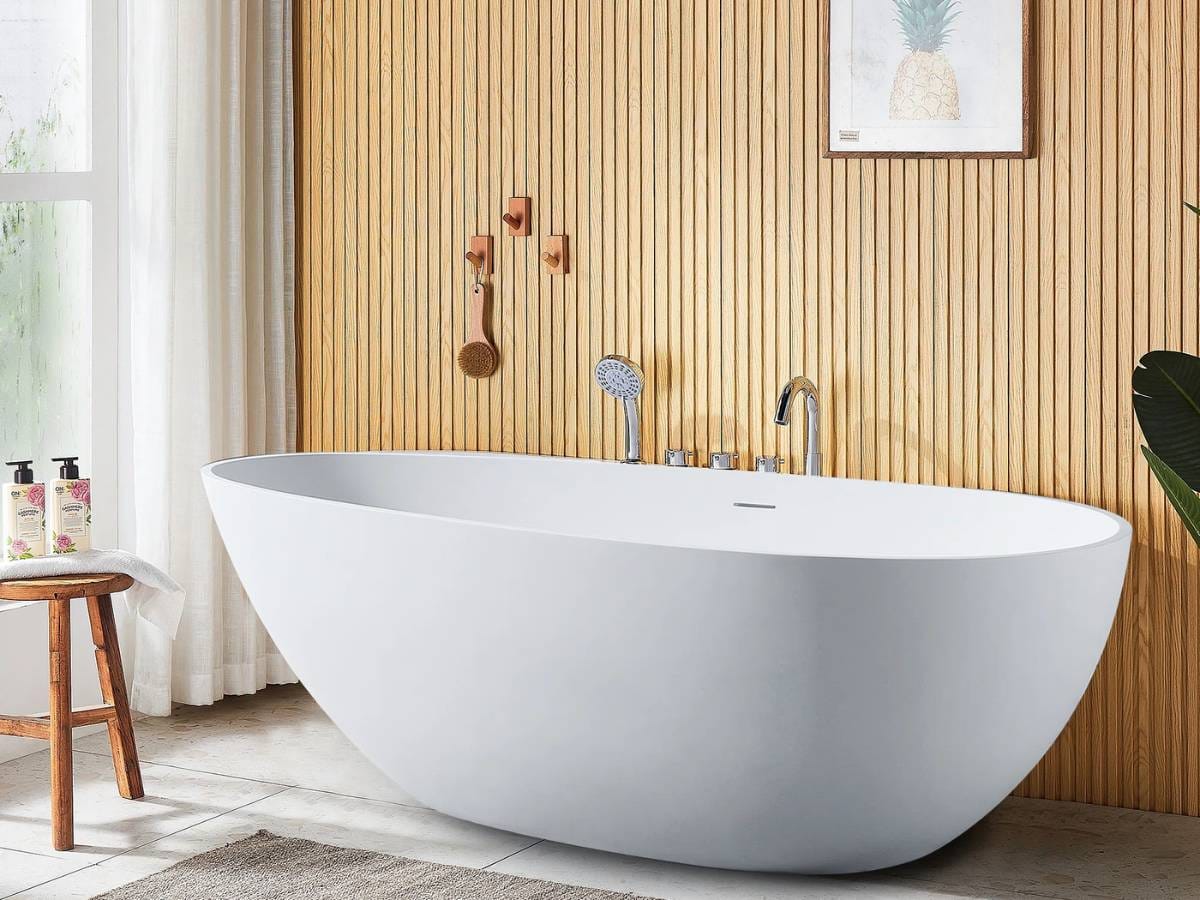
Do not worry, understanding solid surface bathtubs is easier than you might think.
In this guide, we will explore the key aspects of solid surface bathtubs, including their benefits, drawbacks, and more. This information will help you decide if a solid surface bathtub is right for your needs.
So let’s get started!
1. What is Solid Surface Bathtub?
A solid surface bathtub is a tub made from a blend of natural minerals and resins, creating a smooth and non-porous surface. It looks sleek and modern, offering a durable and long-lasting option for any bathroom. These bathtubs come in various shapes and sizes, making them a versatile choice for different bathroom styles.
According to Grand View Research, the global bathtub market size was estimated at USD 9.89 billion in 2023 and is projected to grow at a compound annual growth rate (CAGR) of 4.1% from 2024 to 2030. No wonder this growth reflects the increasing popularity and demand for high-quality bathtubs, such as solid surface options.
2. Pros & Cons of Solid Surface Bathtubs
Solid surface bathtubs offer a blend of aesthetic appeal and functional benefits, but they also have some downsides. Here are the pros and cons to helping others make an informed decision:
Pros
- Elegant and Seamless Appearance: Solid surface bathtubs offer a sleek, seamless look that adds a touch of elegance to any bathroom design.
- Highly Durable and Easy to Repair: These bathtubs are built to last and can be easily repaired if minor damage occurs, ensuring long-term use.
- Easy to Clean and Hygienic: The non-porous surface of solid surface bathtubs prevents the buildup of mold and mildew, making it easy to maintain.
- Customizable: Solid surface bathtubs can be customized in shape, size, and color, allowing for a personalized fit to any bathroom decor.
- Antimicrobial Properties: The material’s inherent antimicrobial properties help maintain a hygienic bathing environment.
- Wide Range of Design Options: With various design options available, solid surface bathtubs can complement any bathroom style, from classic to contemporary.
- Eco-Friendly Material Choices: Many solid surface bathtubs are made from eco-friendly materials, supporting sustainable and environmentally-conscious practices.
Cons
- Higher Initial Cost: Solid surface bathtubs typically have a higher initial cost compared to other bathtub materials, which may impact budget considerations for projects.
- Heavy Weight: The substantial weight of solid surface bathtubs requires reinforced flooring, potentially complicating installation in certain spaces.
- Complex Installation Process: Due to their weight and size, solid surface bathtubs often need professional installation, adding to the overall project cost and time.
- Sensitive to High Temperatures: By now, you should know that while durable, solid surface bathtubs can be sensitive to very high temperatures, which may cause damage or discoloration over time.
The following table highlights key aspects of how high temperatures can affect solid surface bathtubs:
| Aspect | Description |
| Material Composition | Typically made from a blend of acrylic resins and natural minerals. |
| Heat Tolerance | Can generally withstand up to 150°F before risk of damage increases. |
| Potential Damage | Exposure to temperatures above tolerance can lead to warping or discoloration. |
| Prevention Strategies | Avoid direct contact with very hot objects and limit prolonged heat exposure. |
| Repairability | Minor thermal damage might be repairable, but severe cases often require replacement. |
3. Types of Solid Surface Bathtub
When choosing a solid surface bathtub, it’s important to know the different types available. Each type has its own benefits, styles, and uses. Here are the types of solid surface bathtubs:
Freestanding Solid Surface Bathtubs
Freestanding solid surface bathtubs are stylish and can be placed anywhere in a bathroom. They often become the main focus because of their elegant and modern design. These tubs provide a luxurious and comfortable bathing experience, making them a popular choice.

Built-in Solid Surface Bathtubs
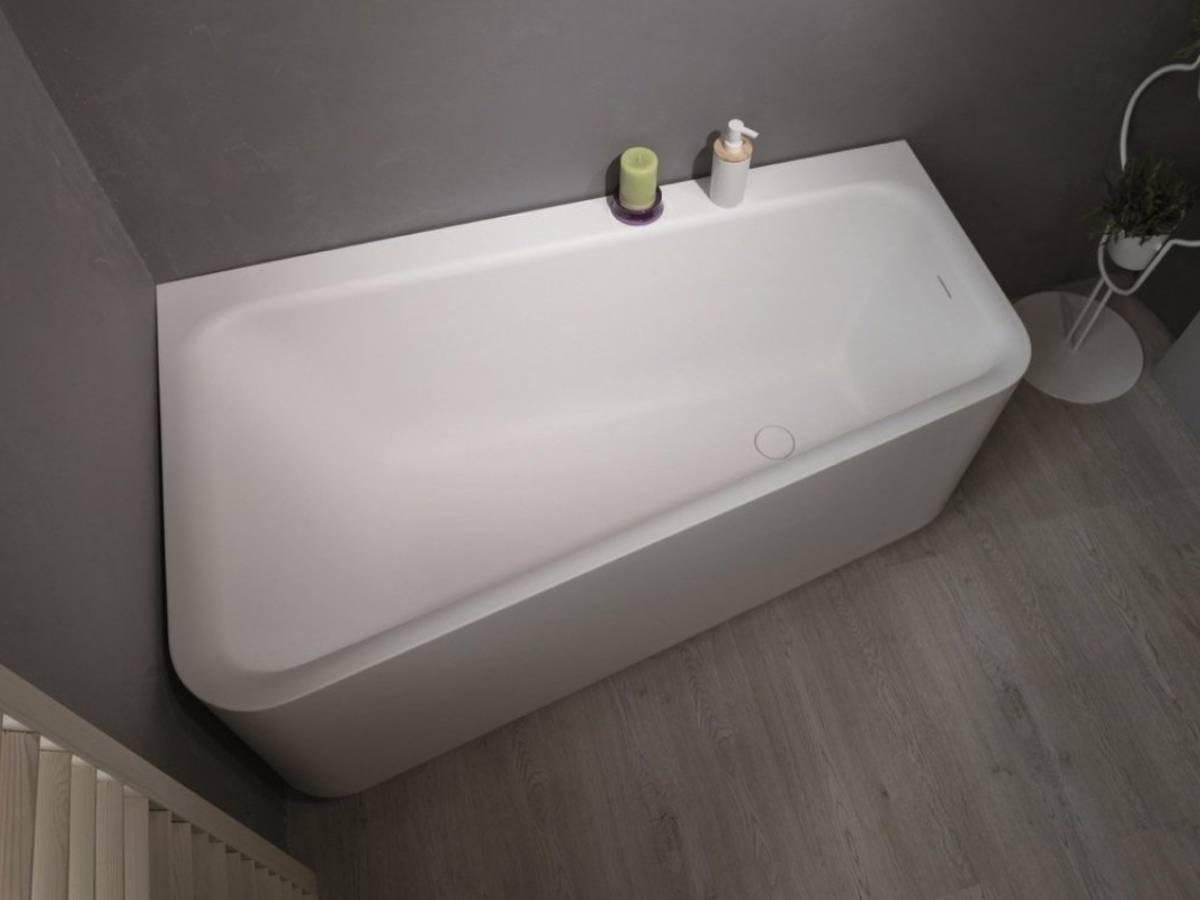
Built-in bathtubs are part of the bathroom structure and are usually surrounded by tiles or other materials. They save space and have a smooth, finished look. These tubs are great for smaller bathrooms or for a more traditional design. Think about that for a minute. A built-in tub can seamlessly blend with your bathroom decor while saving valuable space.

Corner Solid Surface Bathtubs
Corner bathtubs fit perfectly into the corner of a bathroom, making good use of limited space. They are ideal for smaller bathrooms where saving space is important. These tubs often include extras like built-in seating or shelves.
4. Different Shapes and Sizes of a Solid Surface Bathtub
Solid surface bathtubs come in a variety of sizes and shapes, making them a versatile choice for any bathroom design. Here are some common options they can consider:
Shapes of Solid Surface Bathtub
- Oval Bathtubs: Oval bathtubs have smooth, rounded edges and provide a comfortable soaking experience. They are ideal for creating a luxurious feel in high-end residential projects or upscale hotels.
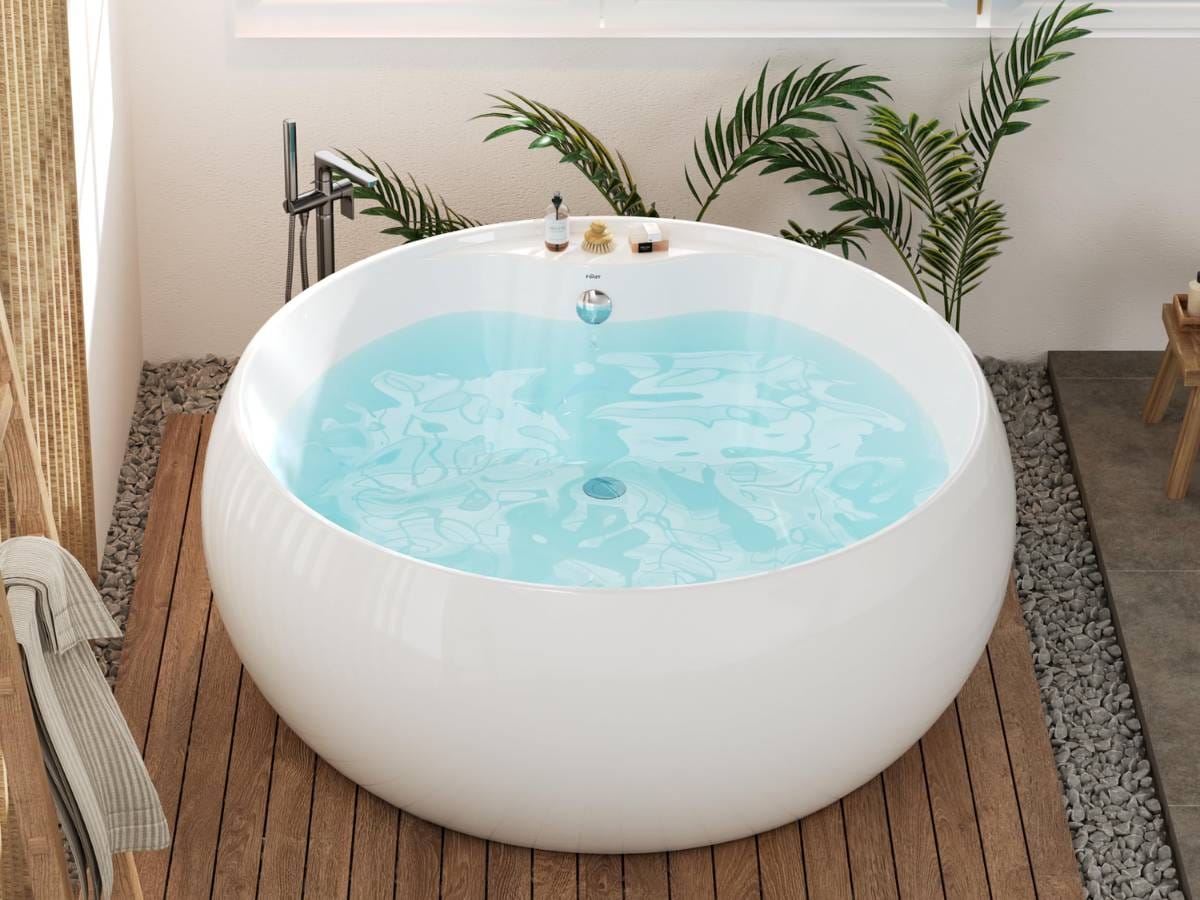
- Round Bathtubs: Round bathtubs offer a unique, stylish look that can serve as a centerpiece in spacious bathrooms. These are perfect for clients looking to make a bold design statement in luxury homes or exclusive spas.
- Square Bathtubs: Square bathtubs feature sharp, clean lines and a contemporary design. They are well-suited for modern commercial developments and residential projects aiming for a sleek, minimalist aesthetic.
- Rectangular Bathtubs: Rectangular bathtubs are the most traditional shape, offering a classic look that fits well into various bathroom layouts. They are versatile and popular in both residential and commercial projects, providing a spacious and comfortable bathing area.
Common Sizes of Solid Surface Bathtubs
- Standard Bathtubs: The most common size, ranging from 60 to 70 inches in length. This size provides ample space for most users and fits well in standard bathroom layouts.
- Small Bathtubs: Typically around 48 to 55 inches in length, these bathtubs are ideal for smaller bathrooms or spaces where saving room is a priority.
- Large Bathtubs: Measuring 72 inches or more, these bathtubs offer extra space for a luxurious soaking experience. OK, I know what you’re thinking, they are perfect for larger bathrooms or those looking for a more spacious tub.
5. Solid Surface Bathtub Colors
Solid surface bathtubs come in a variety of colors, making it easy to match the bathtub to any bathroom design. Here are some popular options:
- Classic White: This timeless choice fits well in any bathroom style and offers a clean, bright look. Classic white bathtubs remain a favorite for their versatility and ability to make a space feel more open.
- Soft Neutrals: Beige, taupe, and gray create a calming and sophisticated ambiance. These shades blend seamlessly with different decor, offering a subtle elegance that enhances the bathroom’s overall aesthetic.
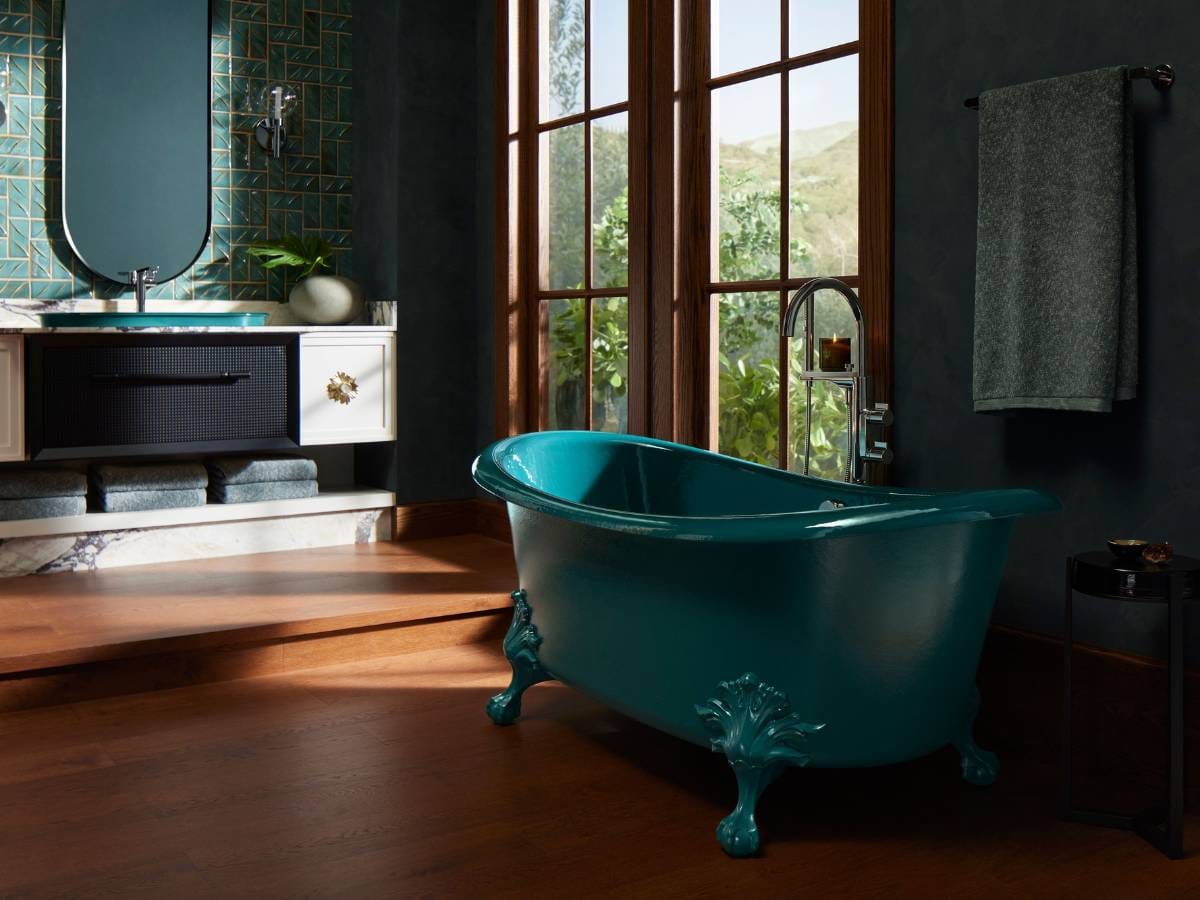
- Bold Colors: For those looking to make a statement, bold hues like navy blue, forest green, or even black can create a dramatic focal point. Turns out, these vibrant colors add a touch of personality flair to any bathroom setting.
- Pastels: Soft pastel colors such as light pink, baby blue, or mint green add a touch of whimsy and charm, perfect for creating a relaxing atmosphere.
- Earth Tones: Shades of brown, terra cotta, and olive green bring a natural and organic feel to the bathroom, enhancing a spa-like environment.
- Customized Color: Customization allows for the creation of a unique and personalized look. At KKR, we can customize the color of any solid surface bathtub to suit individual preferences. Whether a subtle shade or a vibrant hue is desired, our options ensure the bathtub perfectly matches the bathroom’s design and style.
6. The Average Cost of Solid Surface Bathtubs
The average cost of solid surface bathtubs ranges from $1,500 to $5,000. Prices can vary depending on the size, brand, and design of the bathtub. At KKR, we offer solid surface bathtubs at lower prices due to our efficient manufacturing process. By the way, when considering a solid surface bathtub, explore different options to find one that fits both your budget and bathroom aesthetics.
7. 5 Cleaning and Maintenance Tips for Solid Surface Bathtubs
Maintaining a solid surface bathtub is essential to keep it looking pristine and extending its lifespan. With regular care and proper cleaning techniques, it’s easy to prevent damage and maintain the bathtub’s elegant appearance. Here are some practical cleaning and maintenance tips for solid surface bathtubs.
#1 Use Non-Abrasive Cleaner
To clean the bathtub, it is recommended to use a non-abrasive cleaner, such as mild dish soap. These cleaners effectively remove dirt and stains without scratching the surface. For example, a non-abrasive cleaner preserves the smooth finish of a solid surface bathtub after a bath.
#2 Avoid Using Harmful Objects
Avoiding harsh scrubbers or abrasive tools on the bathtub is essential to prevent surface damage. Instead of metal scrubbers, a soft sponge should be used to clean the bathtub. Additionally, placing a trivet under hot items helps to prevent scratches and maintain the bathtub’s smooth finish.
#3 Applying Baking Soda and Water
To tackle stubborn stains, a paste can be created by mixing baking soda and water. The stain should be gently scrubbed with a non-abrasive sponge and then rinsed thoroughly. This method is particularly effective for tough stains such as soap scum or hard water marks.
#4 Use Heat Protection Pads
Placing heat protection pads under hot objects is essential to avoid damaging the surface. Solid surface materials can withstand heat but may get damaged by direct contact with hot items. But wait – there’s more using a heat pad under a hot curling iron prevents heat damage and keeps the bathtub looking flawless.
#5 Fixing Small Scratches with Fine Sandpaper
To fix small scratches on the bathtub, one should use fine sandpaper. For example, the scratched area needs to be gently sanded in a circular motion until it blends with the rest of the surface. This method is effective for minor scratches and helps maintain the bathtub’s appearance.
Conclusion
Solid surface bathtubs are a perfect blend of durability and elegance, making them an excellent choice for modern bathrooms. At KKR, we specialize in crafting high-quality solid surface bathtubs that are not only beautiful but also long-lasting. Our expertise in design and manufacturing guarantees that every bathtub meets the highest standards of quality and style.
In conclusion, this guide has provided you with essential insights into solid surface bathtubs and their benefits. Choosing a KKR solid surface bathtub means you are investing in a product that combines functionality with luxury. For more information or to explore our range, contact us today to see how we can elevate your needs.
Recommended Reading
For some insightful reads, we’ve curated a list of recommended articles just for you:
Still haven’t found what you’re looking for? Don’t hesitate to contact us. We’re available around the clock to assist you.