







Ever considered which bathtub material offers the best combination of durability and aesthetics for your projects? Selecting the appropriate bathtub material can significantly enhance both the appearance and longevity of your bathroom designs.
Leveraging years of expertise, this guide delivers professional insights to assist you in making an informed decision.
Solid surface bathtubs have a smooth, seamless look and are built to last. On the other hand, acrylic bathtubs are light and affordable.
In this guide, you will learn about the key points of solid surface and acrylic bathtubs, including their pros and cons, and helpful tips to pick the best one for your needs.
Let’s dive in!
1. Importance of Choosing the Right Bathtub Material
Did you know that research shows taking regular baths is better for mental and physical health than just taking showers? Choosing the right bathtub material is important and can make relaxation time much better.
The material you select affects the tub’s longevity, maintenance requirements, and cost, while also enhancing the bathing experience. By choosing a high-quality material, you can make sure the bathtub meets both practical needs and promotes overall well-being.
2. Understanding Solid Surface Bathtubs
A solid surface bathtub, also known as a composite or resin bathtub, is made from a blend of natural minerals and high-performance resins. The minerals commonly used in these bathtubs include aluminum trihydrate (ATH), derived from bauxite ore. The high-performance resins used are typically acrylic or polyester. For a more detailed view, I’ve outlined the pros and cons of solid surface bathtubs:
Pros
- Durability: Solid surface bathtubs are very strong and resist chips, cracks, and stains, making them a long-lasting choice for your bathroom.
- Seamless Design: The material allows for a seamless construction, eliminating joints and seams where dirt and grime can collect, making cleaning easier.
- Customizable: KKR’s solid surface materials can be shaped into different forms and sizes, offering flexibility in design to match your specific needs.
- Warm to Touch: Unlike some materials, solid surface bathtubs retain heat well, providing a warm and comfortable bathing experience, which is especially comforting after a long day.
- Non-Porous Surface: The non-porous nature of solid surface prevents bacteria and mold growth, keeping the bathtub hygienic.
- Easy to Repair: Minor scratches and damage can be easily fixed with simple sanding, keeping the bathtub looking new over time.
Cons
- Cost: Solid surface bathtubs can be more expensive than other materials, making them a significant investment.
- Weight: These bathtubs can be heavy, requiring extra support during installation, which can increase the overall installation cost.
- Susceptible to Heat Damage: While they retain heat well, solid surface bathtubs can be damaged by extremely high temperatures, such as placing hot objects directly on the surface.
3. Understanding Acrylic Bathtubs
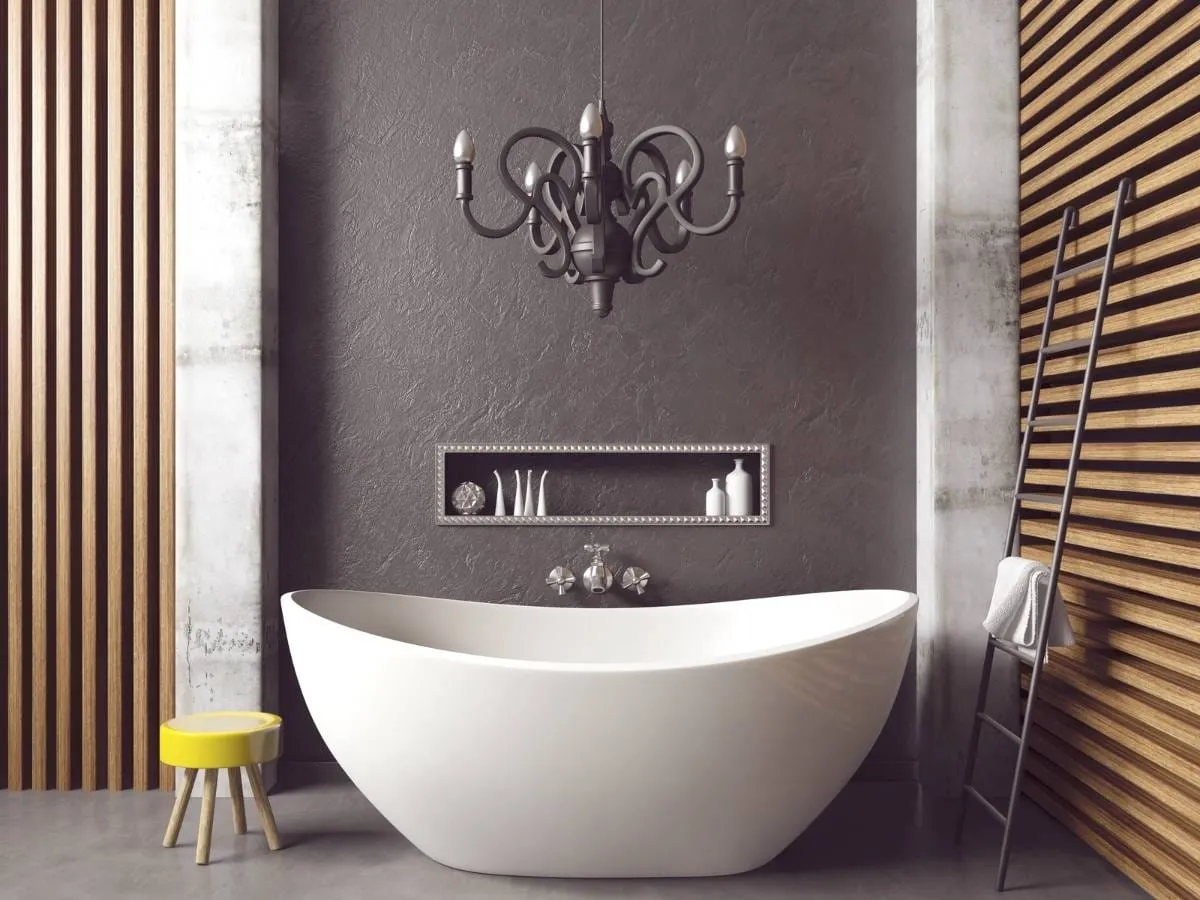
An acrylic bathtub, also known as a plastic or fiberglass-reinforced bathtub, is made from acrylic sheets. These sheets are heated, molded into the desired shape, and then reinforced with fiberglass for added strength and durability. For a clearer picture, here are the pros and cons of choosing acrylic bathtubs:
Pros
- Lightweight: Acrylic bathtubs are much lighter than many other materials, making them easier to transport and install.
- Cost-Effective: These bathtubs are generally more affordable, providing a budget-friendly option without sacrificing style.
- Variety of Designs: Acrylic is highly versatile and can be molded into many different shapes and sizes, offering numerous design possibilities.
- Retains Heat: Acrylic tubs keep heat well, ensuring a warm and enjoyable bathing experience.
Cons
- Less Durable: Acrylic can be more prone to scratches and dents compared to other materials.
- Color Fading: Over time, the color of acrylic bathtubs may fade, especially with heavy use and exposure to sunlight.
- Maintenance: Acrylic requires regular cleaning to maintain its appearance and prevent damage.
4. Solid Surface vs. Acrylic Bathtubs: Key Difference
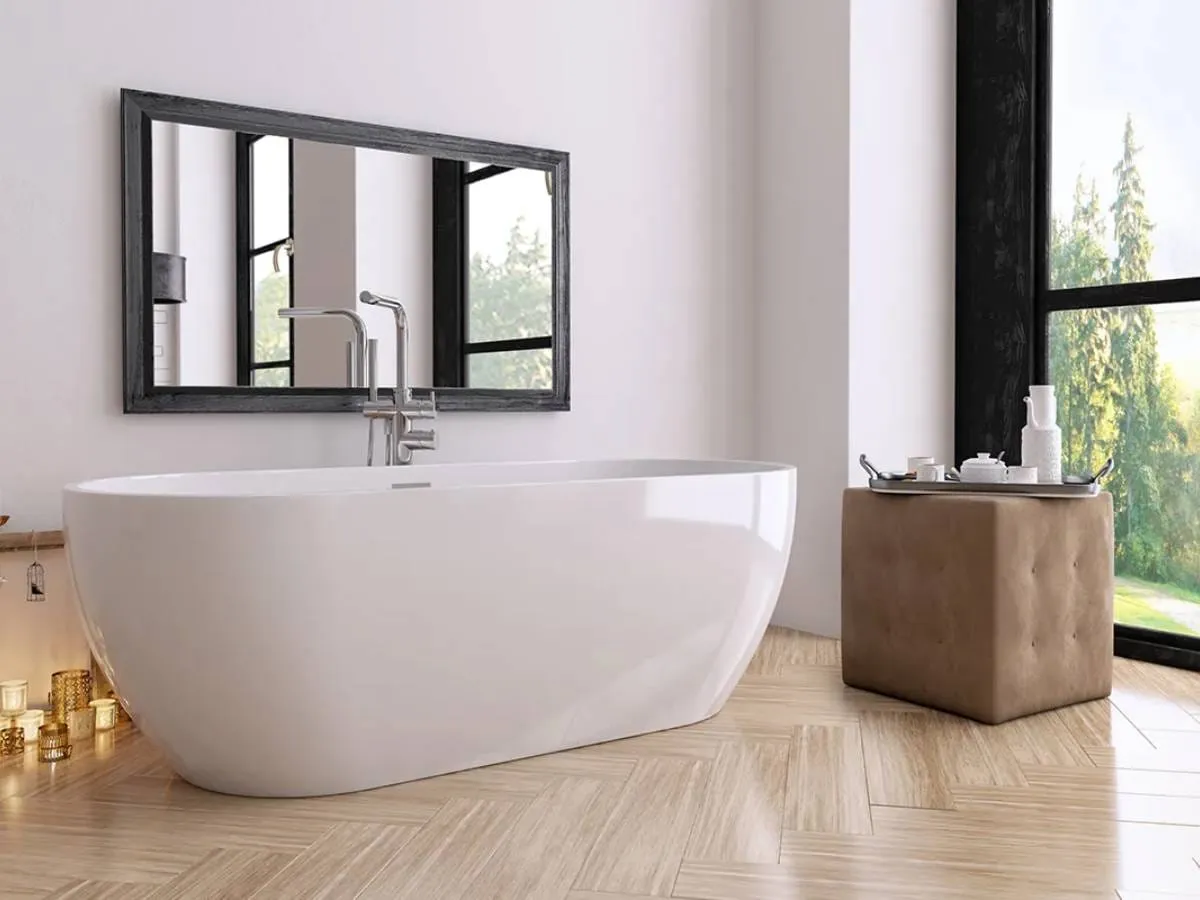
Choosing between solid surface and acrylic bathtubs can be tough because both have their own special advantages. Each material offers unique benefits that suit different needs and preferences. I understand how difficult this choice can be, as each option brings something valuable to the table. Here’s the key differences between these popular bathtub:
| Feature | Solid Surface Bathtubs | Acrylic Bathtubs |
| Structure | Made from natural minerals and resins, typically 1/2 to 3/4 inch thick. | Made from plastic sheets reinforced with fiberglass, usually 1/4 to 1/2 inch thick. |
| Production Method | Created through a process of casting and molding natural minerals with resins. | Formed by heating and molding acrylic sheets, then reinforced with fiberglass. |
| Finish | Offers a seamless, smooth, and matte finish that feels luxurious. | Provides a shiny, glossy finish that is vibrant and eye-catching. |
| Weight | Heavier, weighing around 300-400 pounds. | Lightweight, weighing around 70-100 pounds. |
| Application | Ideal for high-end bathroom designs, custom shapes, and integrated features. | Versatile for a wide range of designs, including budget-friendly options. |
| Cost | Generally more expensive, ranging from $2,000 to $5,000. | More affordable, ranging from $200 to $1,000. |
5. 4 Tips to Consider When Choosing Between Solid Surface and Acrylic Bathtubs
Choosing the right bathtub material means thinking about several important factors. Here are some tips to help you decide between solid surface and acrylic bathtubs:
#1 Seamless Integration
Solid surface bathtubs can seamlessly blend with countertops and shower walls for a smooth, cohesive look. For example, you can design a bathroom where the tub, sink, and shower all connect without any visible seams. This creates continuous lines that make the overall design look sleek and unified.
#2 Impact Resistance
Solid surface bathtubs are more resistant to damage from dropped items. For instance, if you drop a heavy shampoo bottle or a metal showerhead, a solid surface tub is less likely to crack or chip compared to an acrylic tub. This makes solid surface tubs a great choice for busy households where accidents are more likely to happen.
#3 Weight Considerations
Solid surface bathtubs, like from KKR, usually weigh between 200 to 400 pounds and may need extra floor support because of their weight. On the other hand, acrylic tubs weigh between 50 to 100 pounds, making them much easier to handle and install in any bathroom.
#4 Heat Retention
Solid surface bathtubs keep water warm for up to 60 minutes, which is great for enjoying a longer, cozy bath. Acrylic tubs also keep heat but typically start to cool down after about 30 minutes, providing a shorter time of warmth.
Conclusion
Choosing the perfect bathtub is important, and I understand how much it matters to get it right. Kingkonree offers a wide range of both solid surface and acrylic bathtubs, providing durability, design flexibility, and easy maintenance.
In conclusion, this guide has given you key insights into the differences between solid surface and acrylic bathtubs. Knowing these differences will help you make a smart choice for your project. If you’re ready to improve your bathing experience, contact us today to learn how we can help you find the perfect bathtub.
Recommended Reading
Looking for more diverse product options? Browse through our handpicked selections:
For some insightful reads, we’ve curated a list of recommended articles just for you:
Still haven’t found what you’re looking for? Don’t hesitate to contact us. We’re available around the clock to assist you.